PRODUCTS
‹
›
‹
›
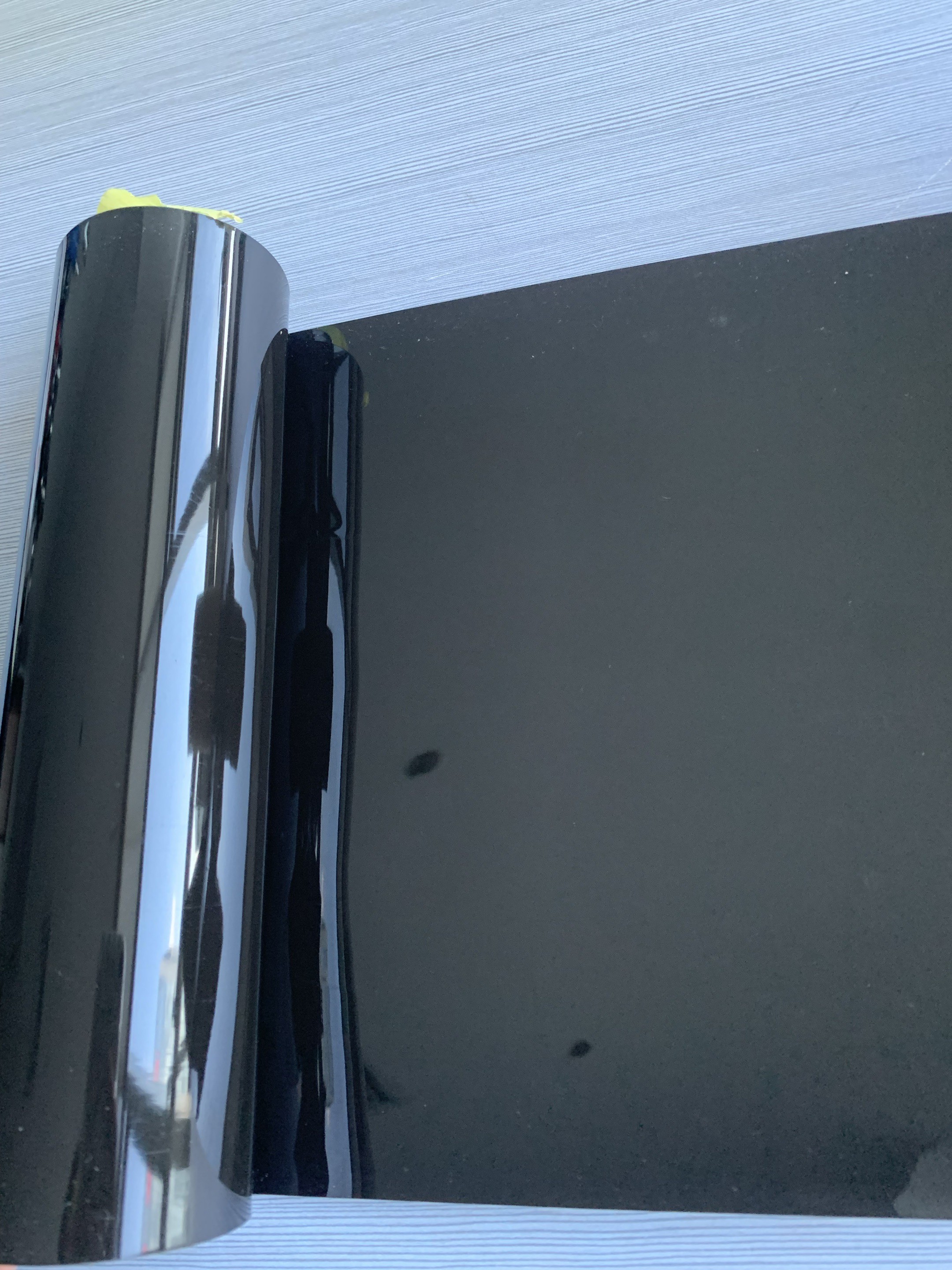
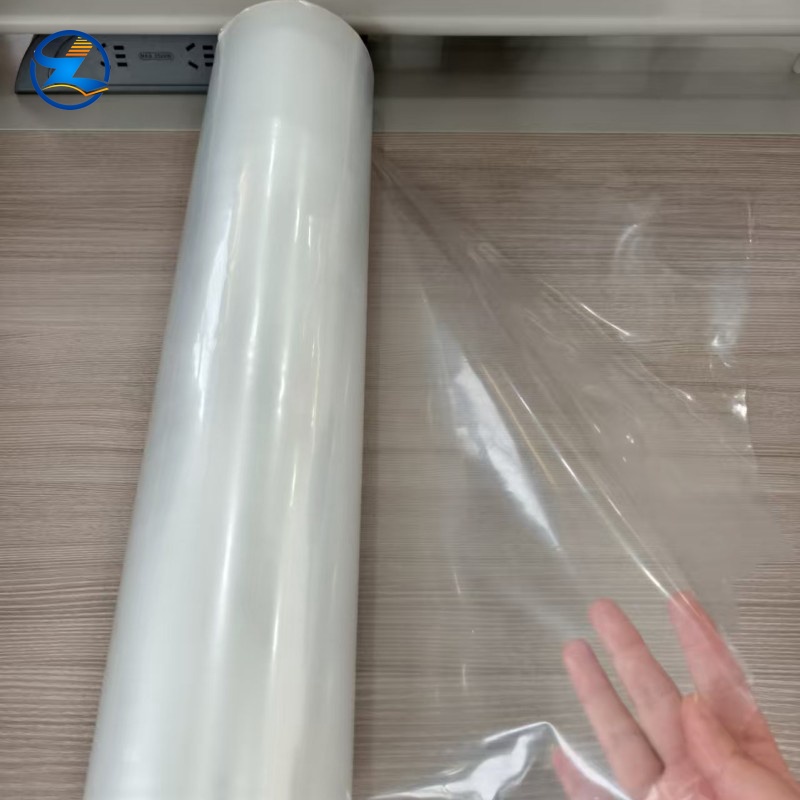
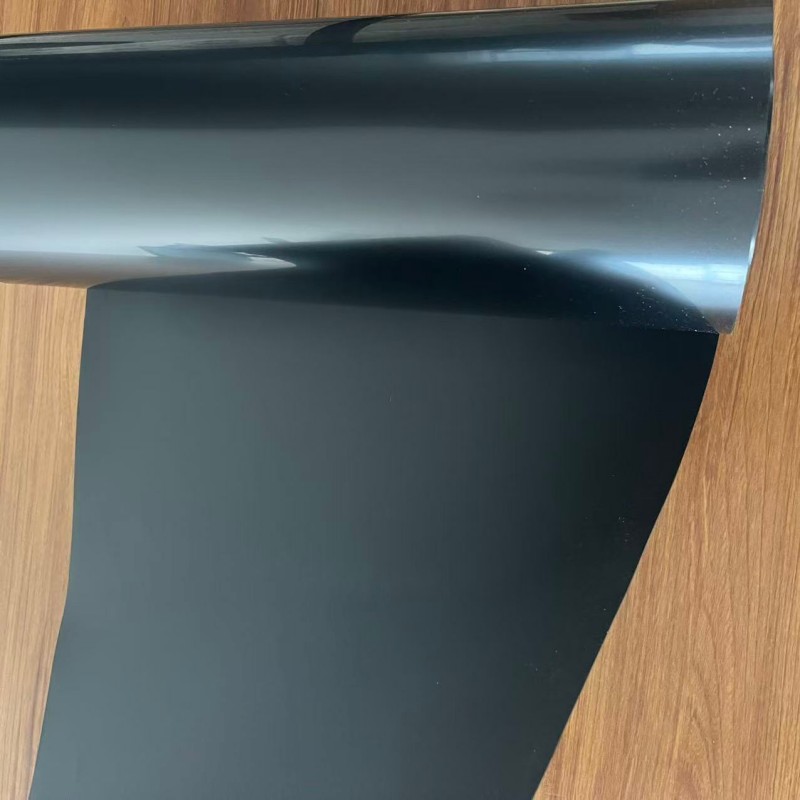
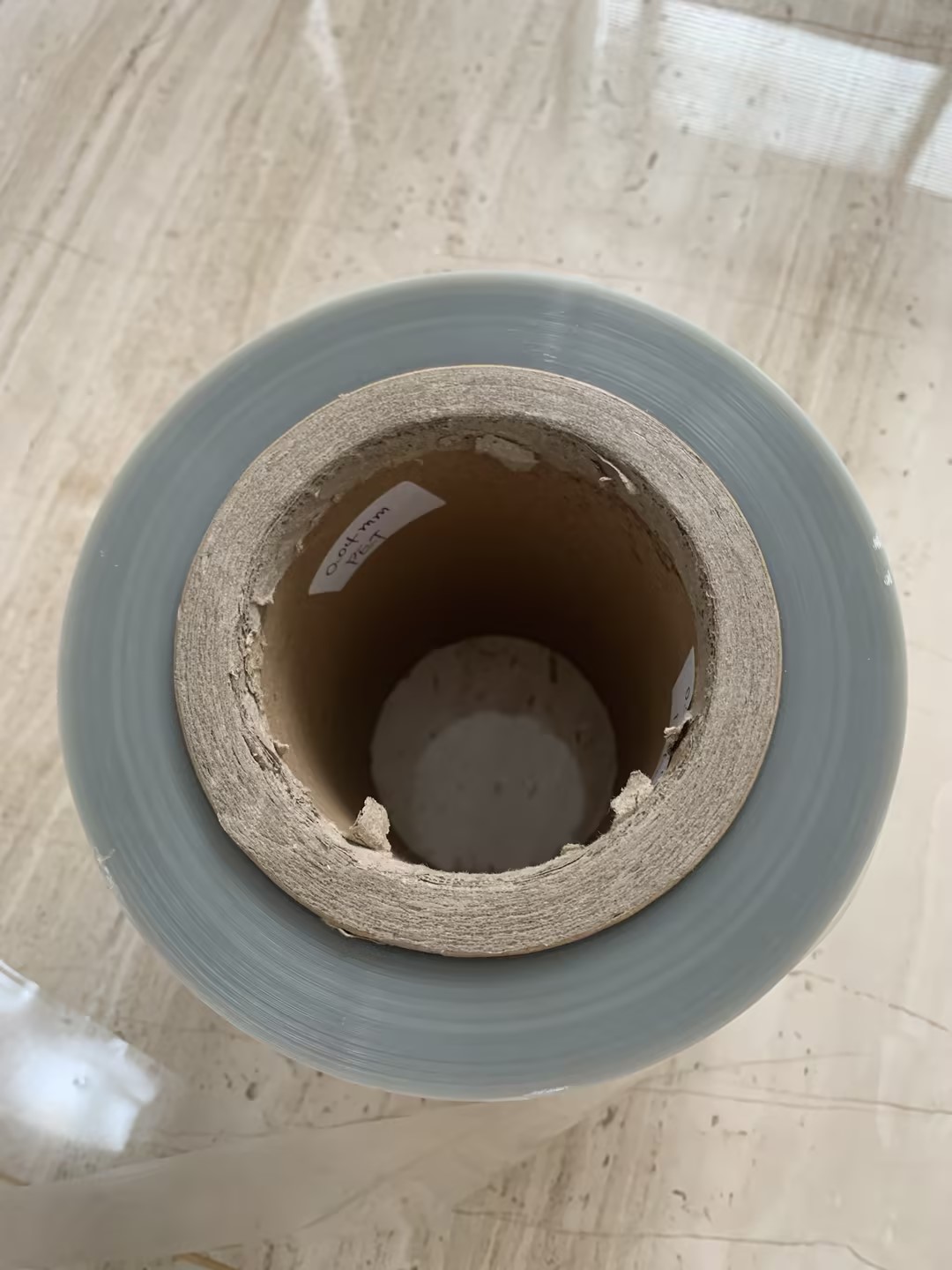
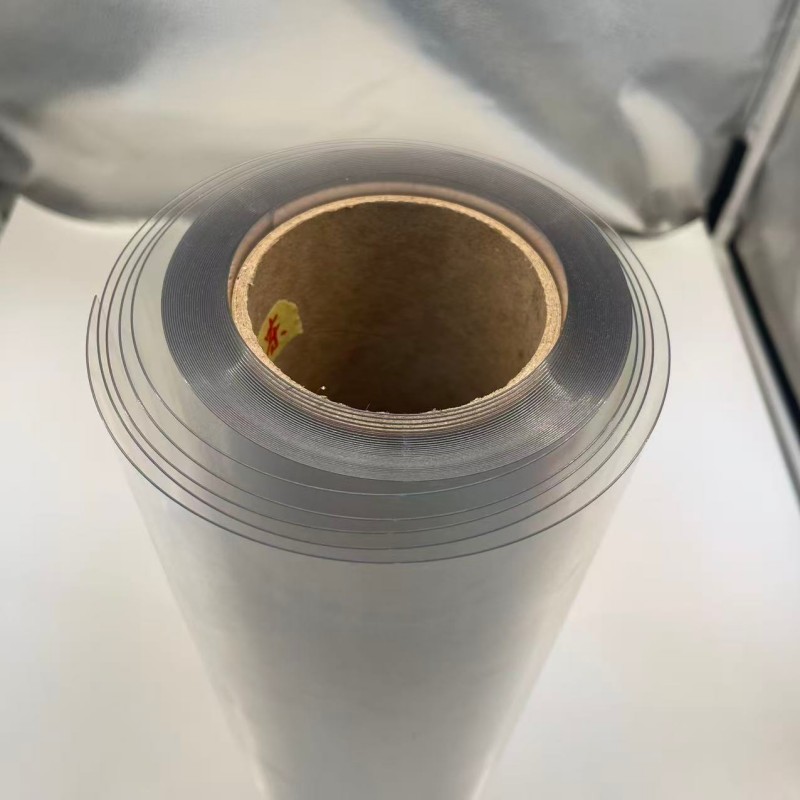
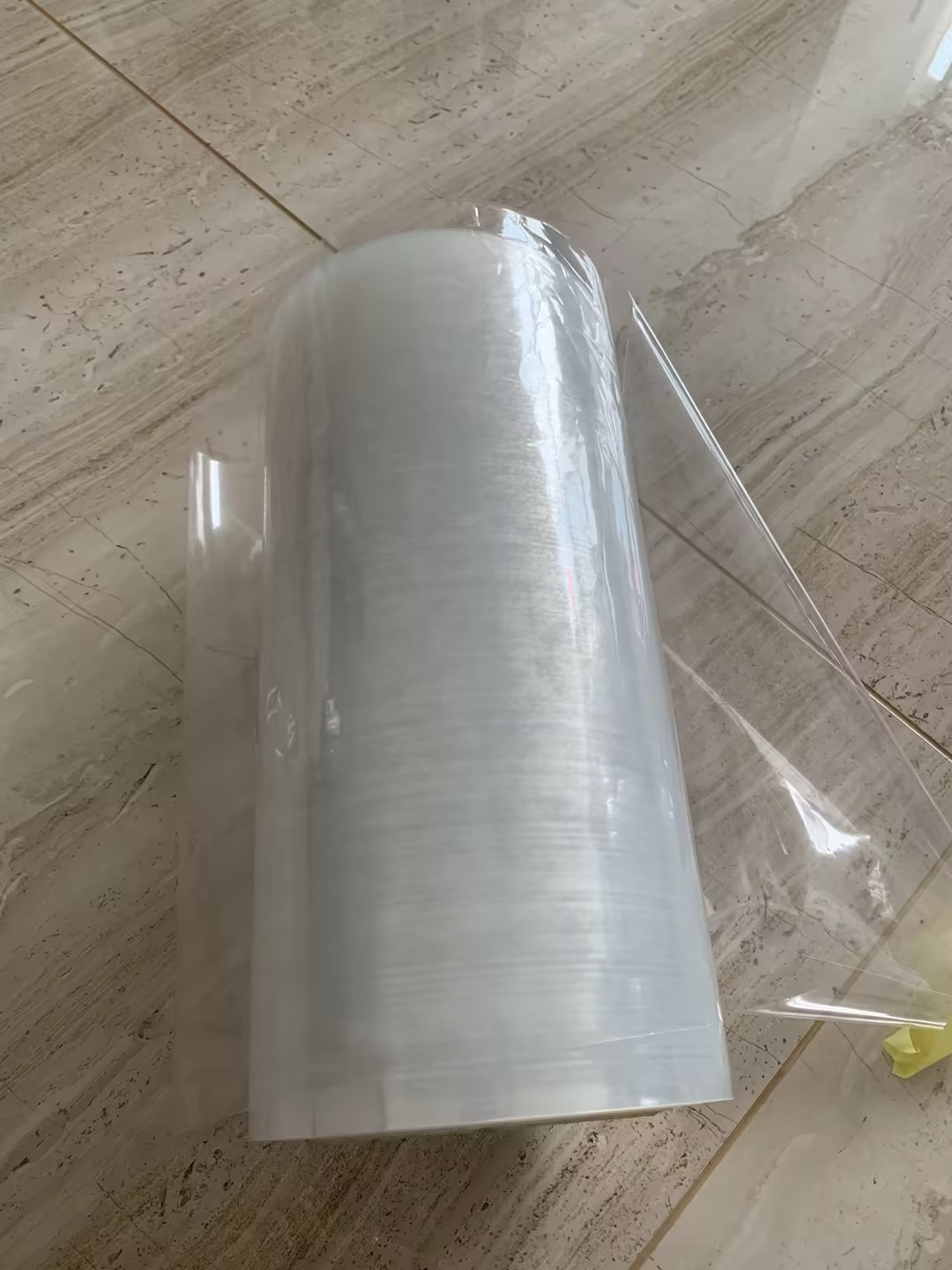
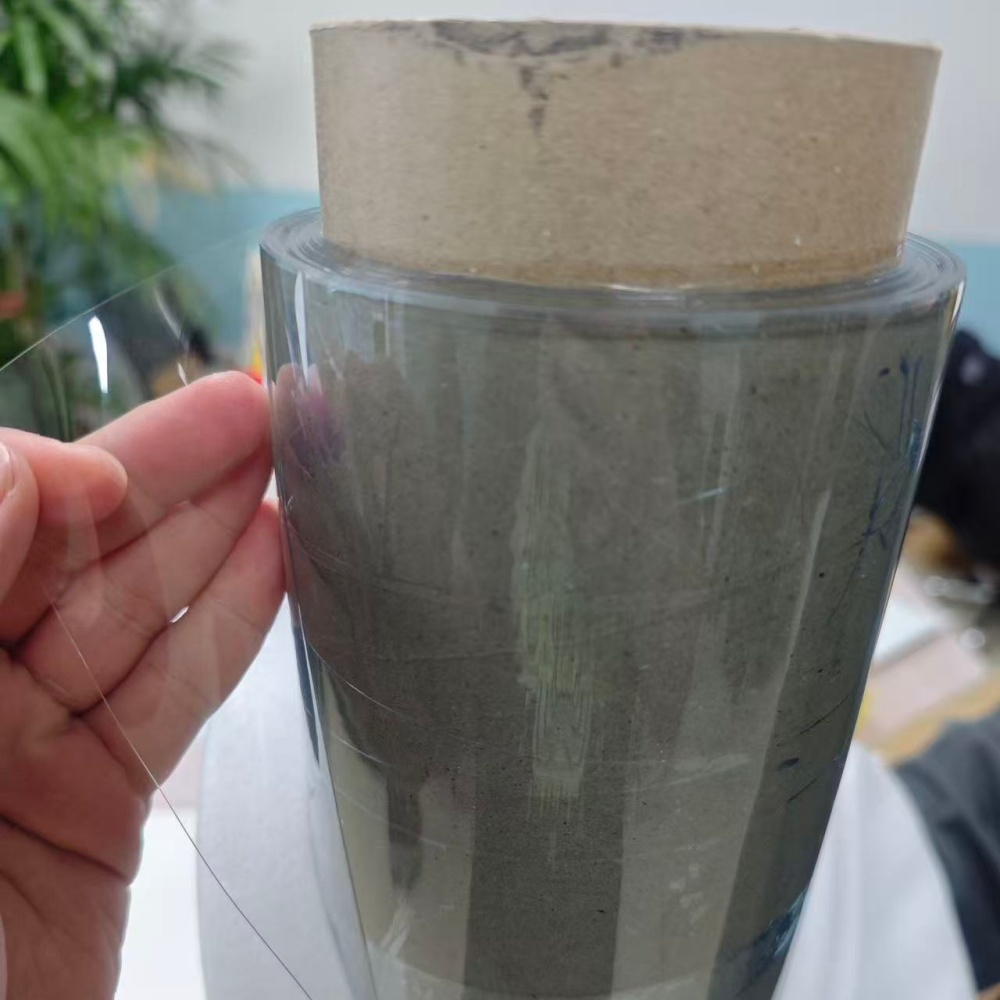
Product Description
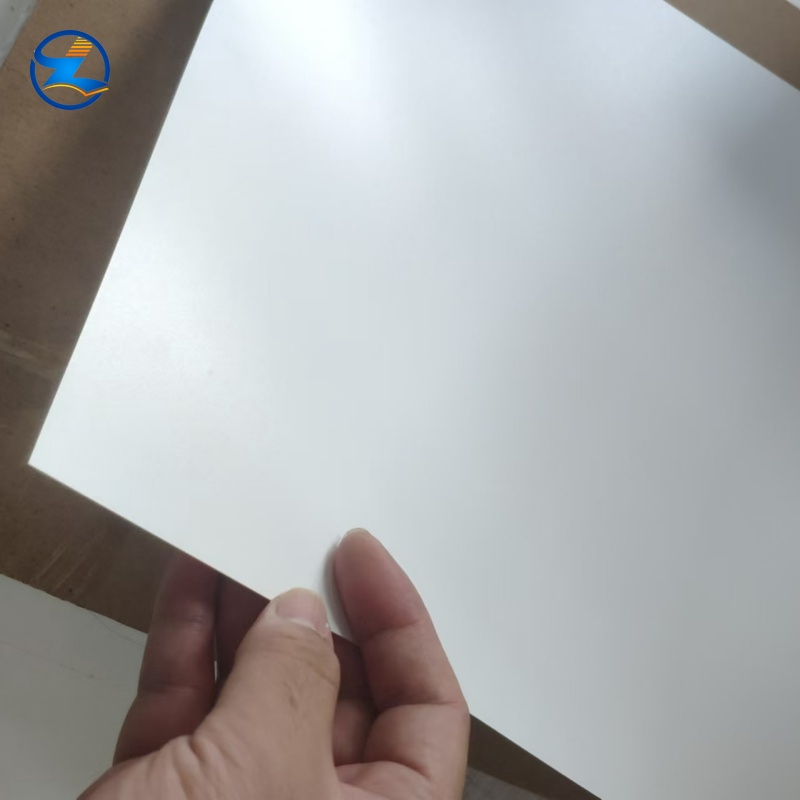
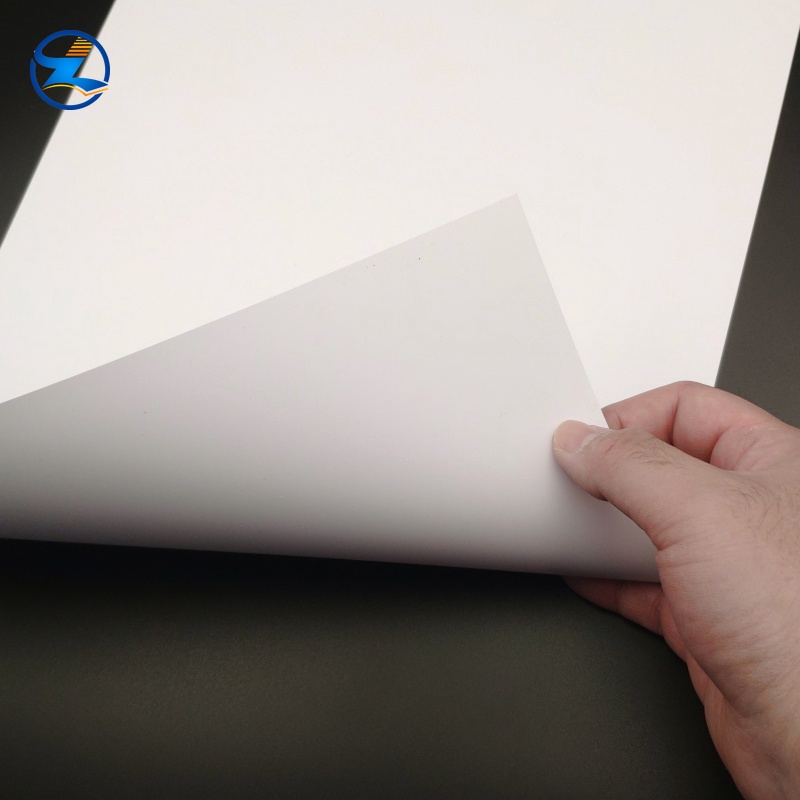
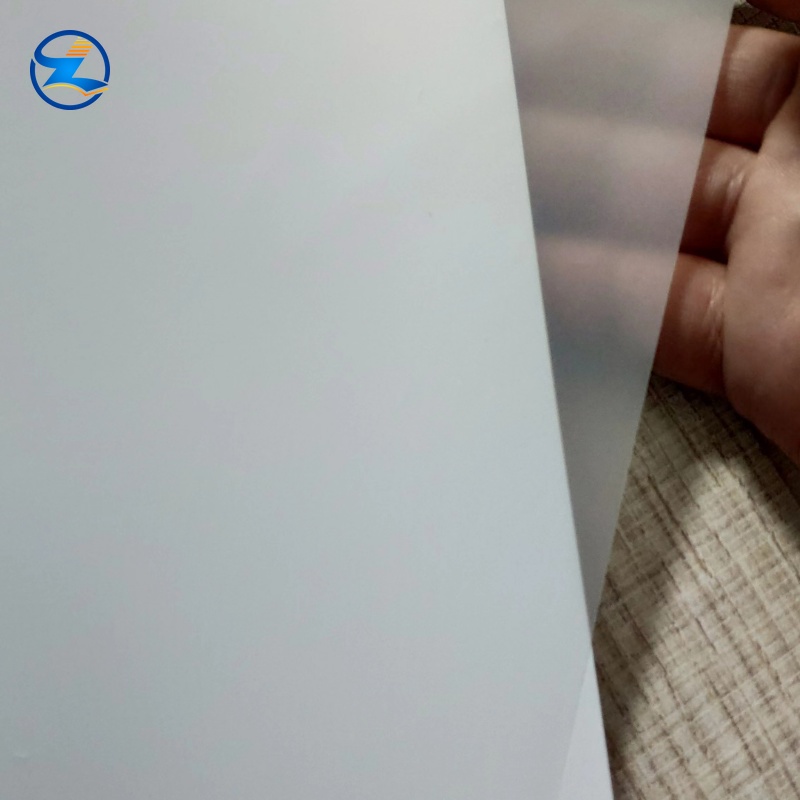
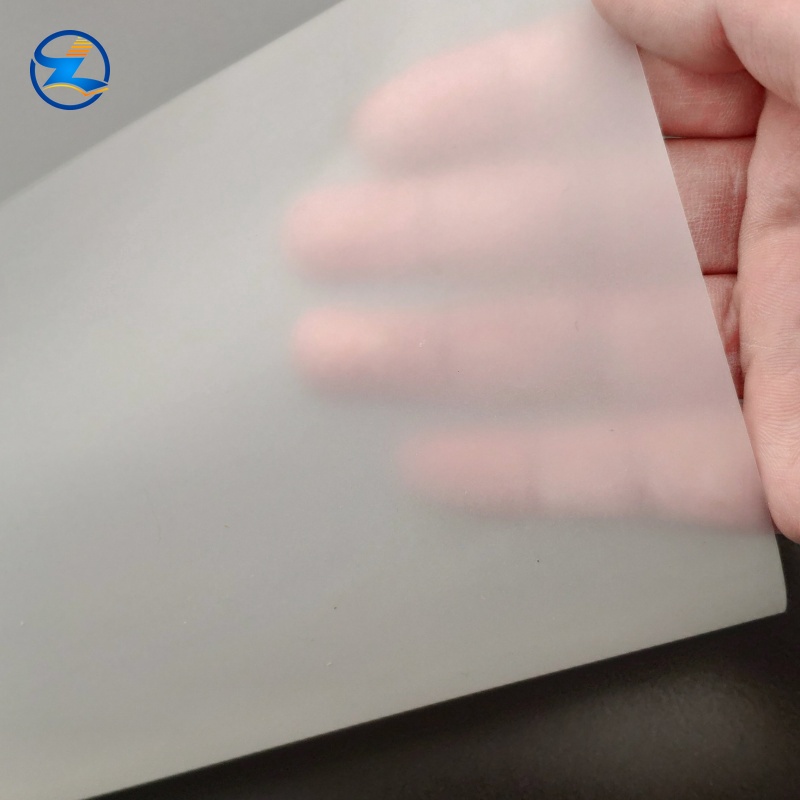
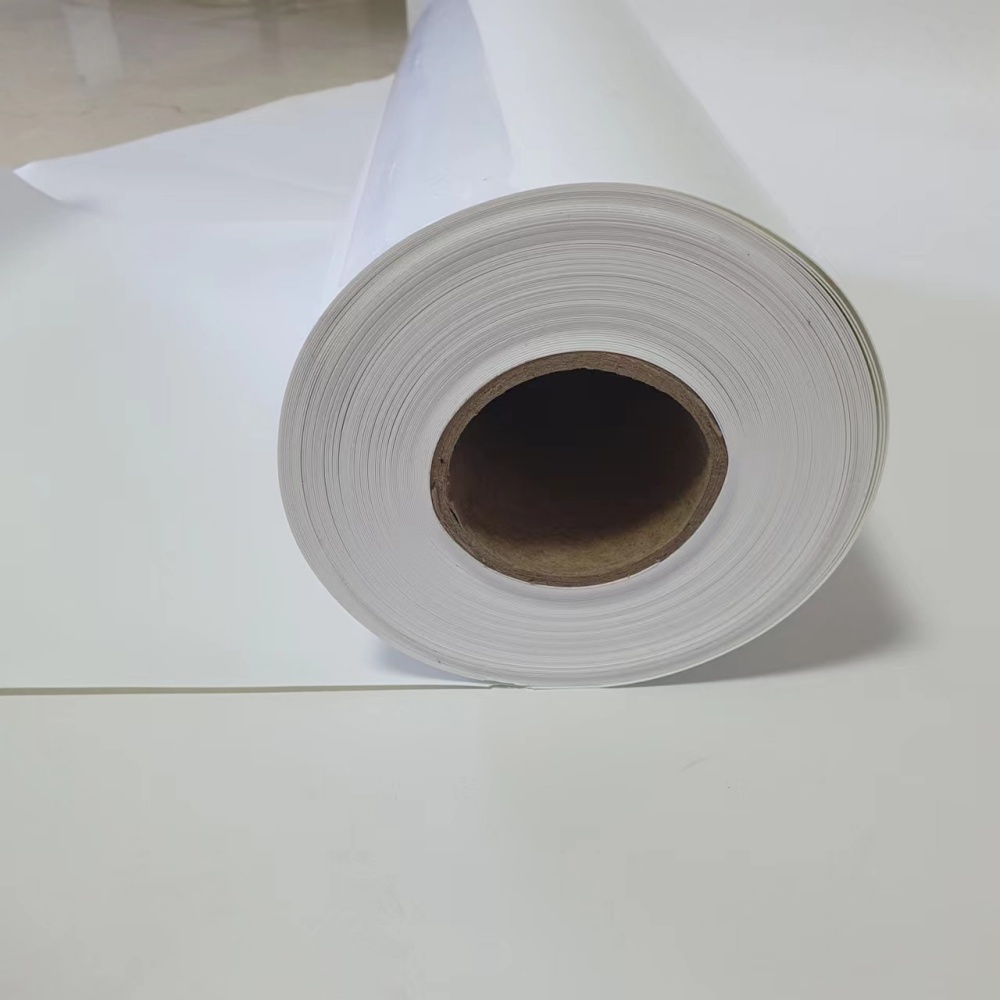
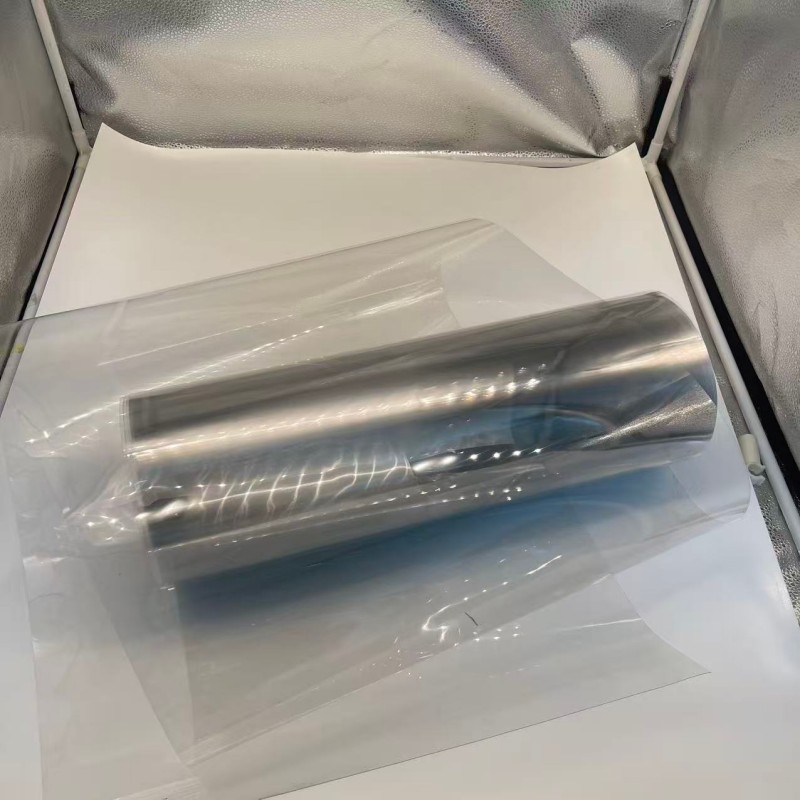
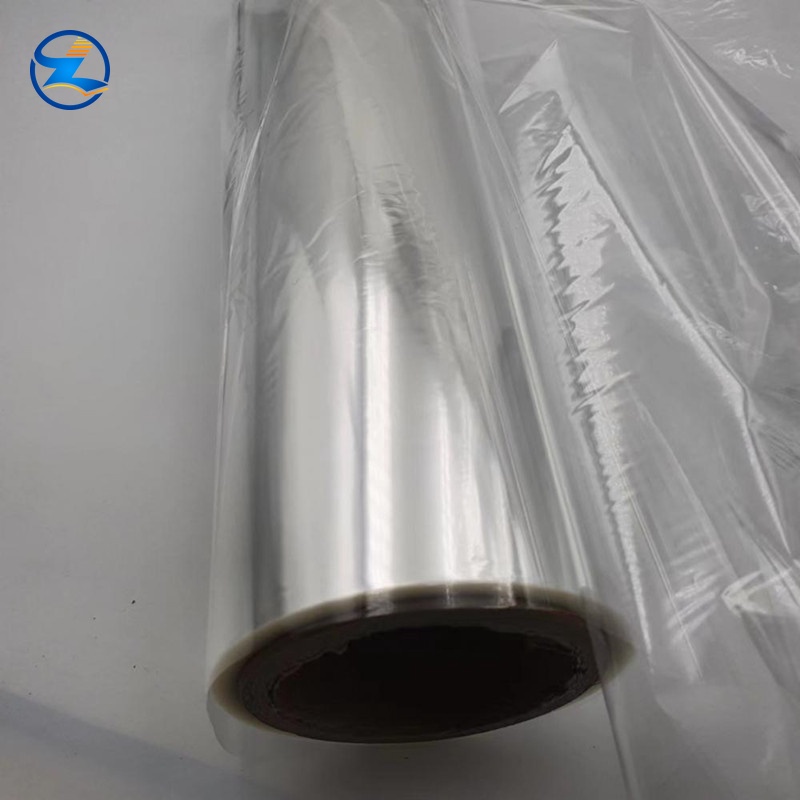
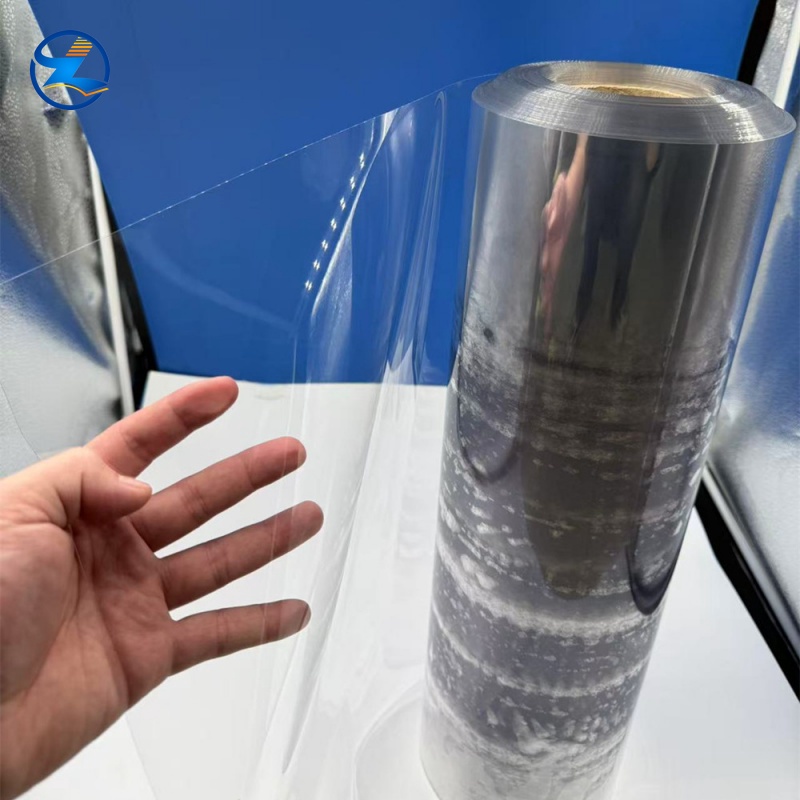
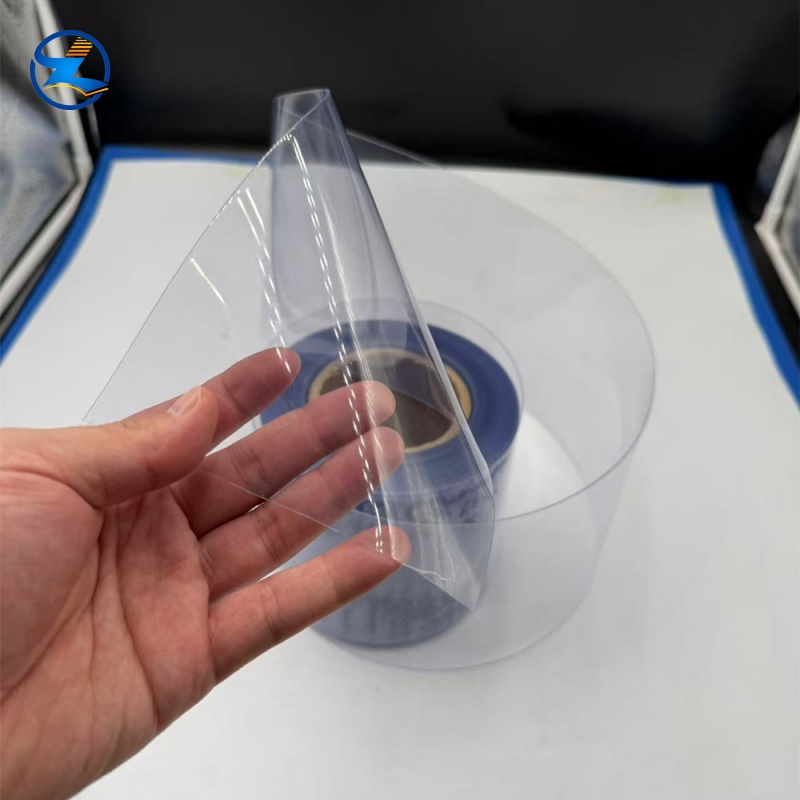
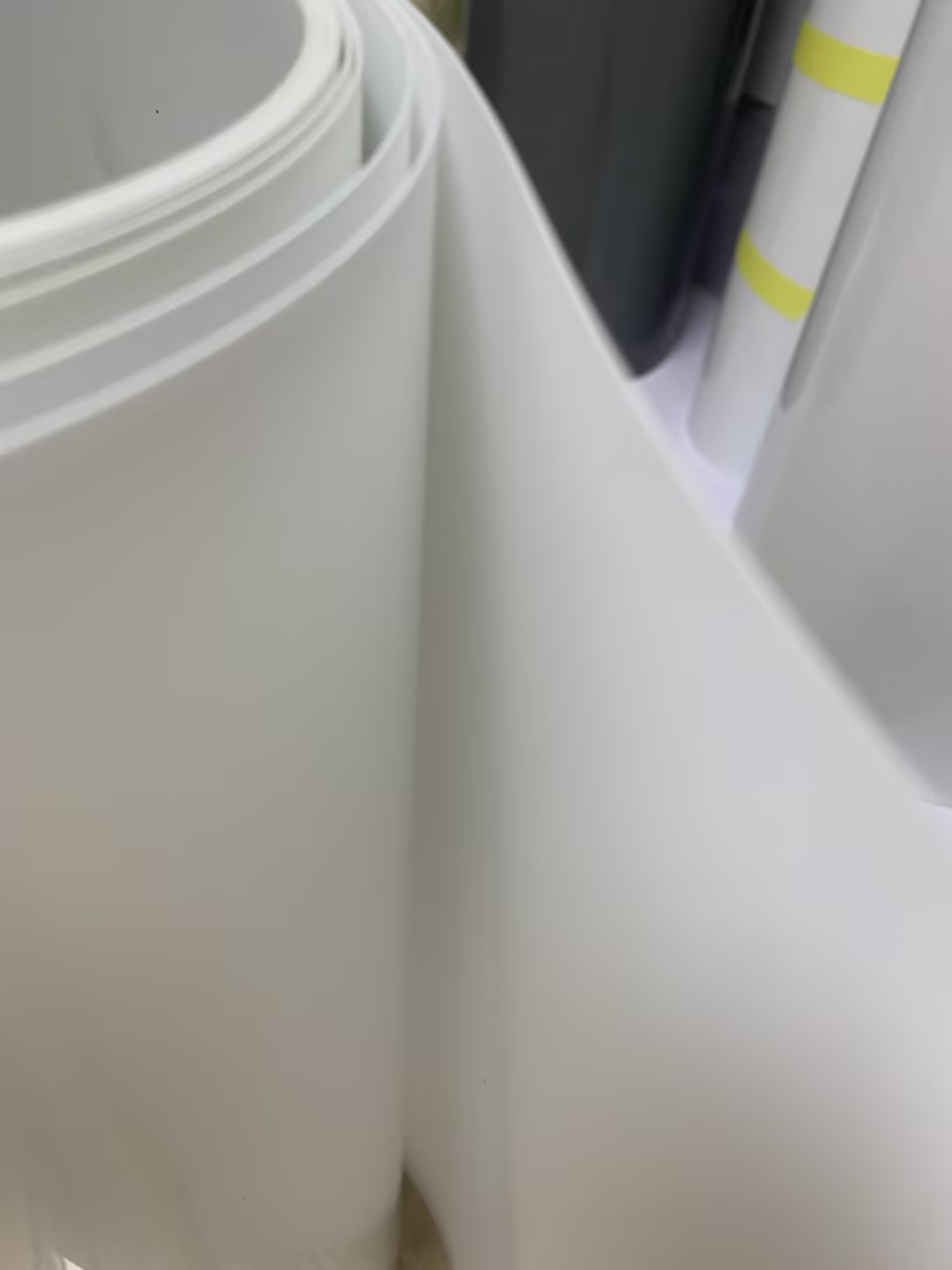
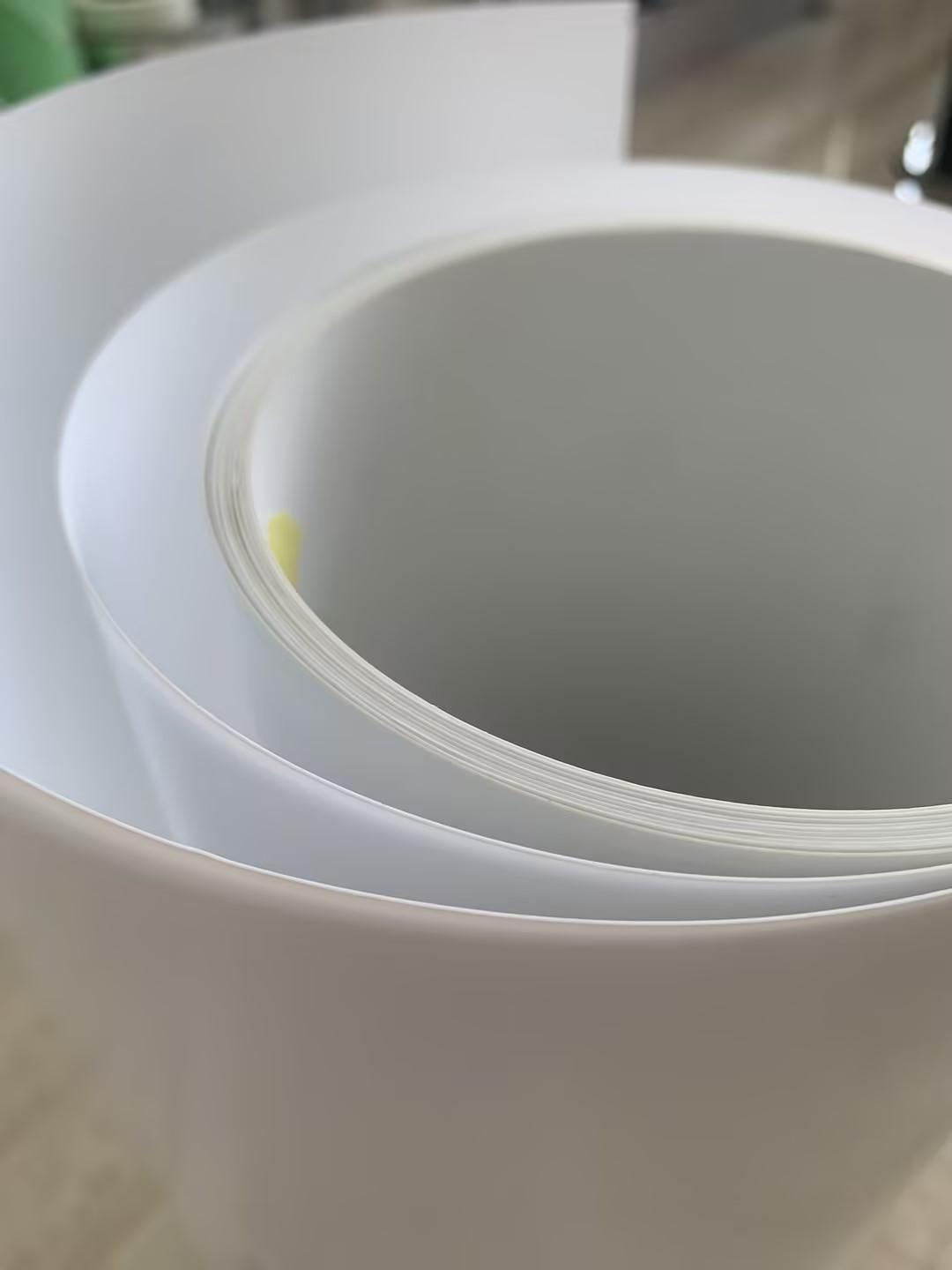
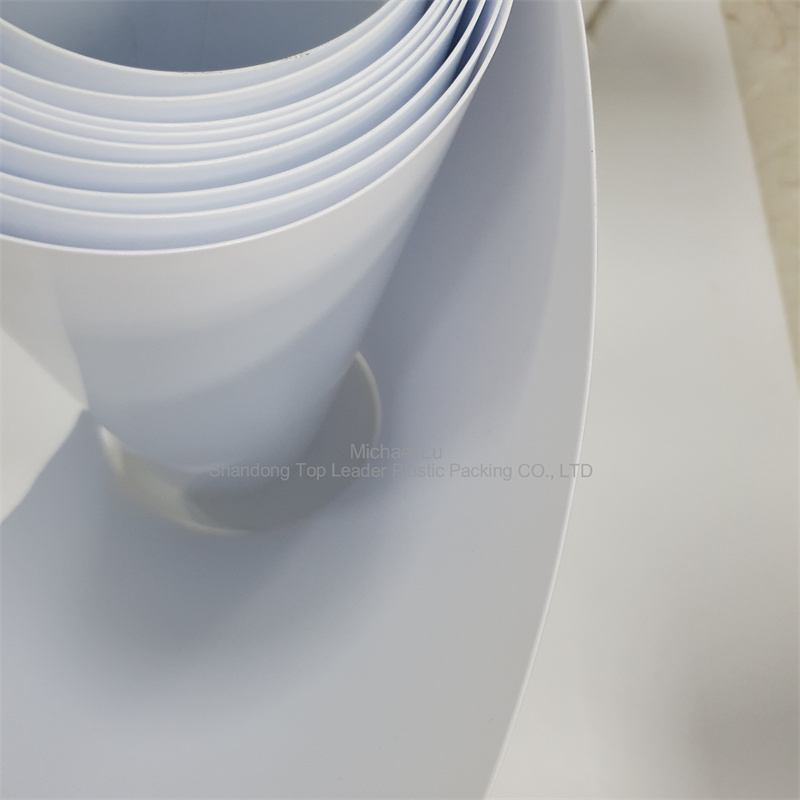
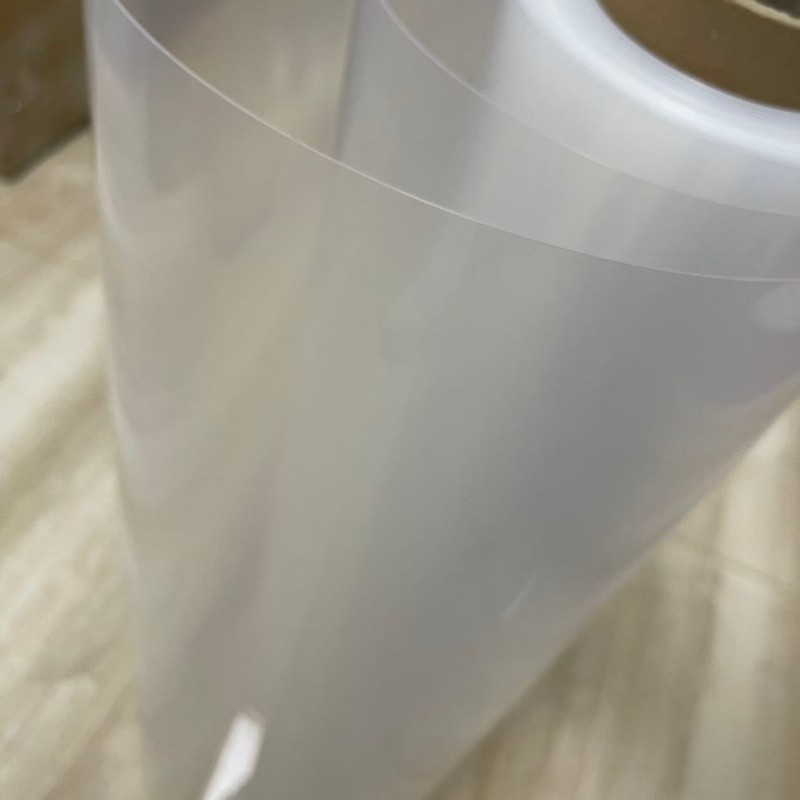
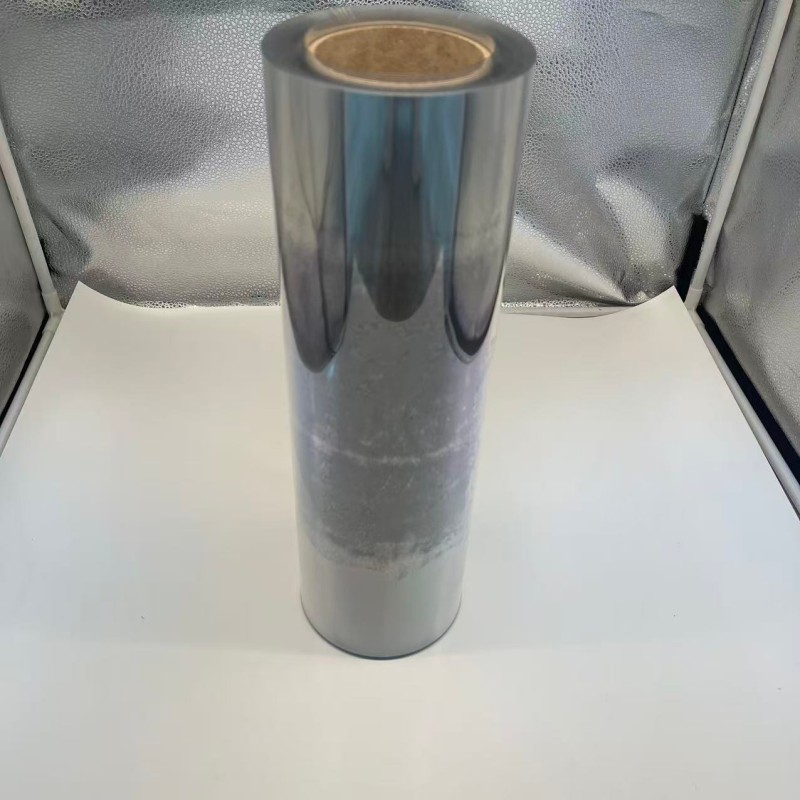
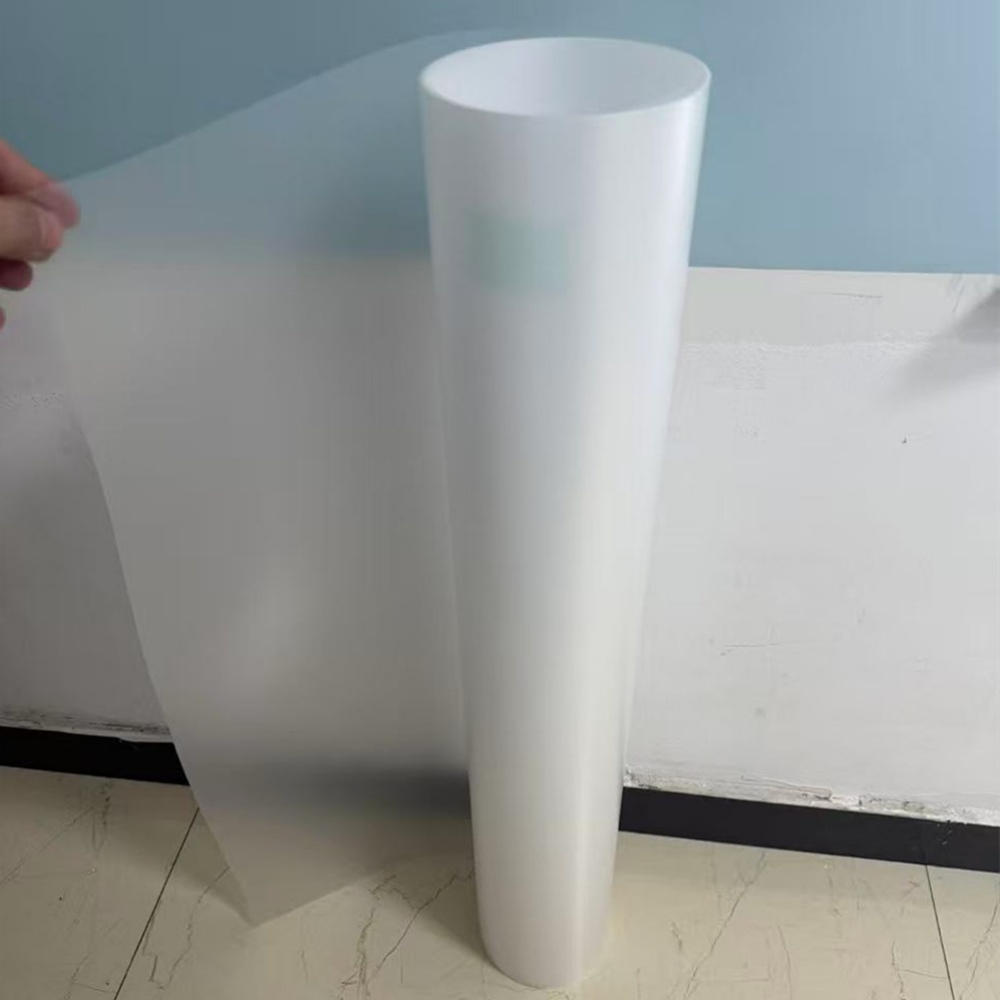
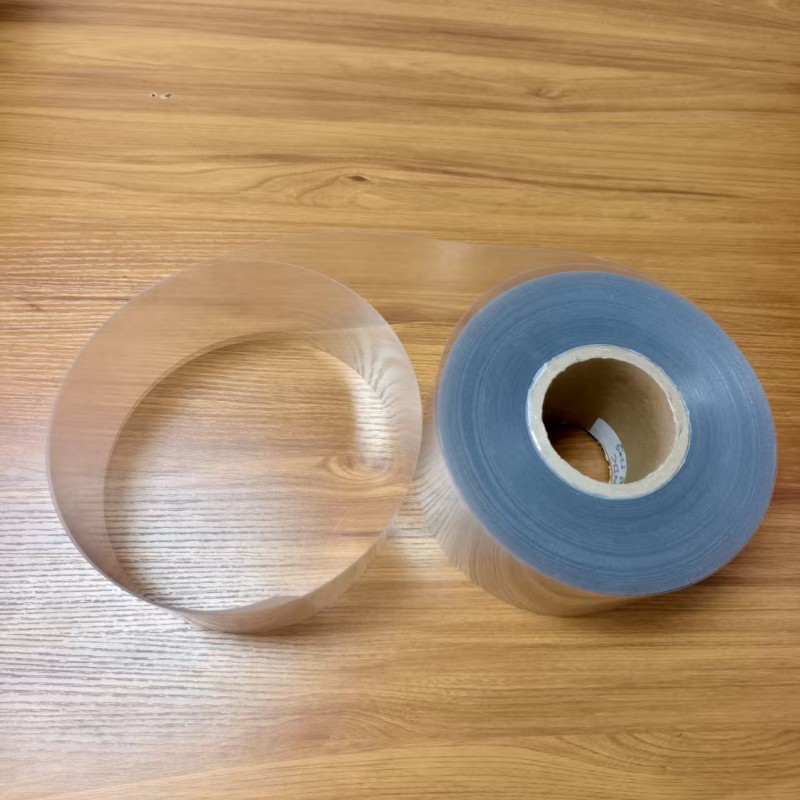
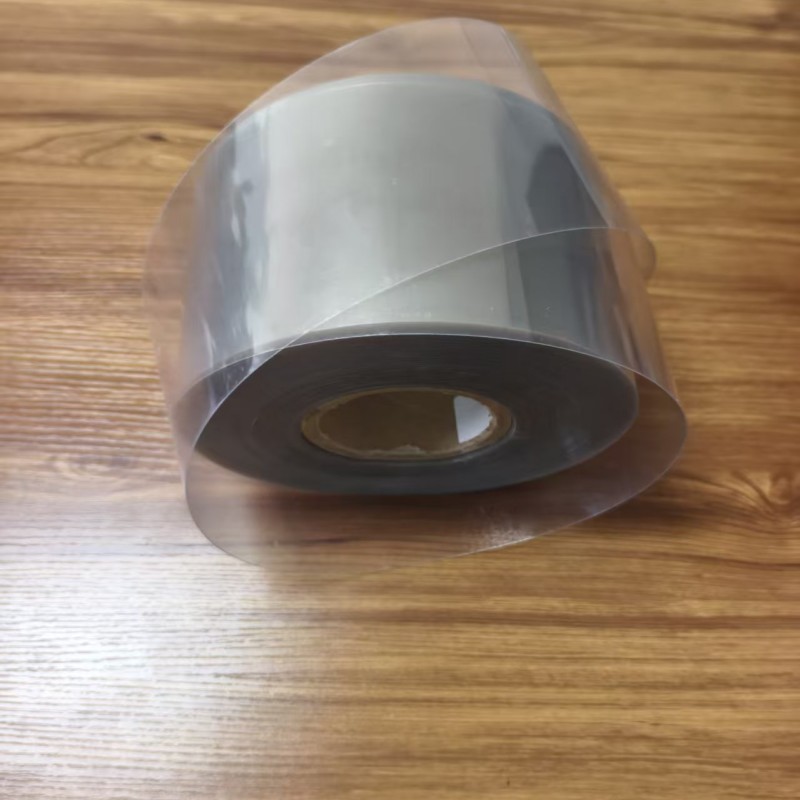
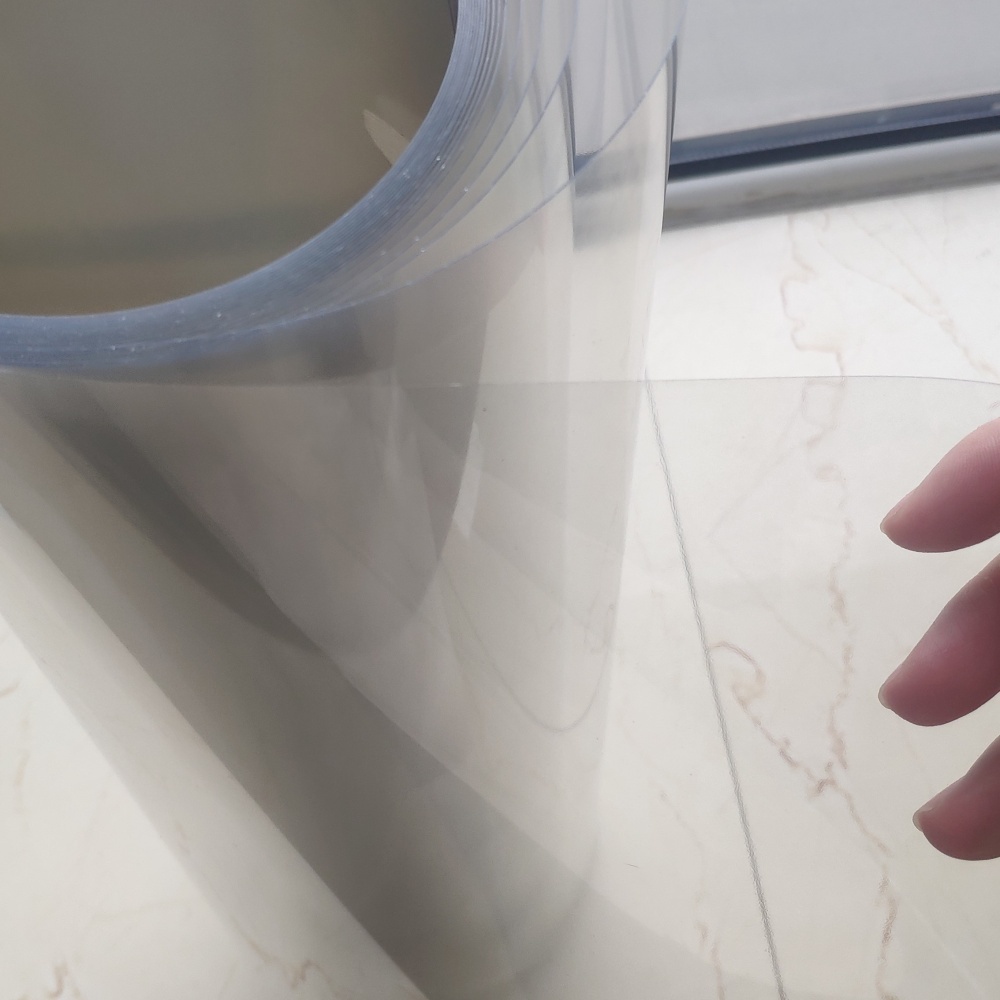
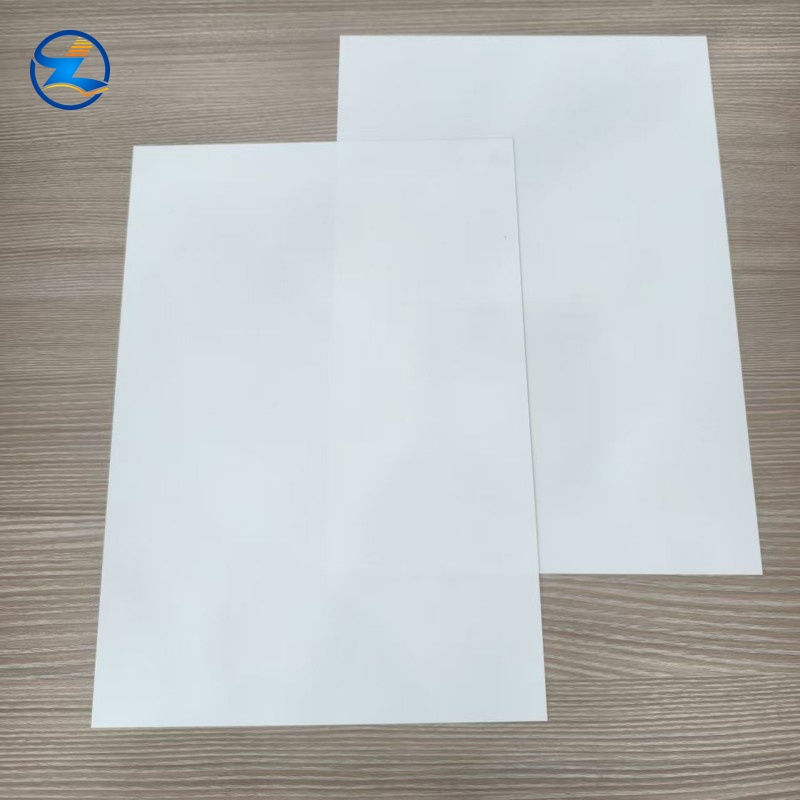
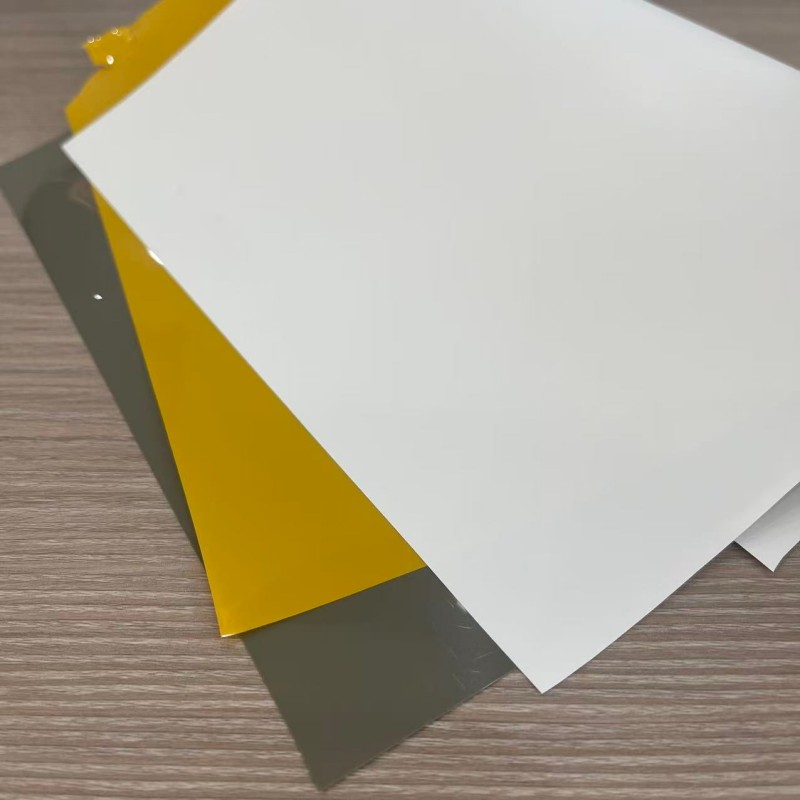
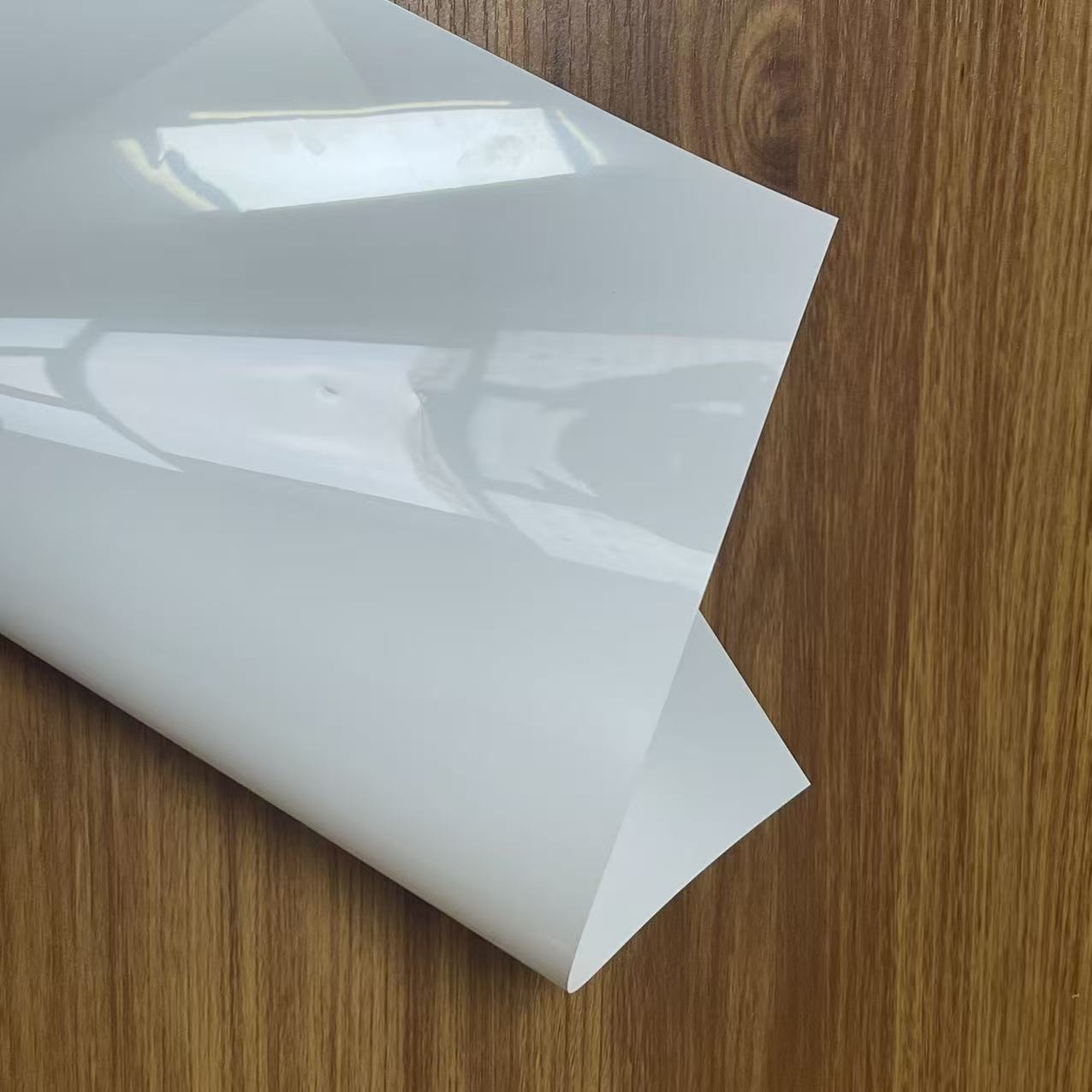
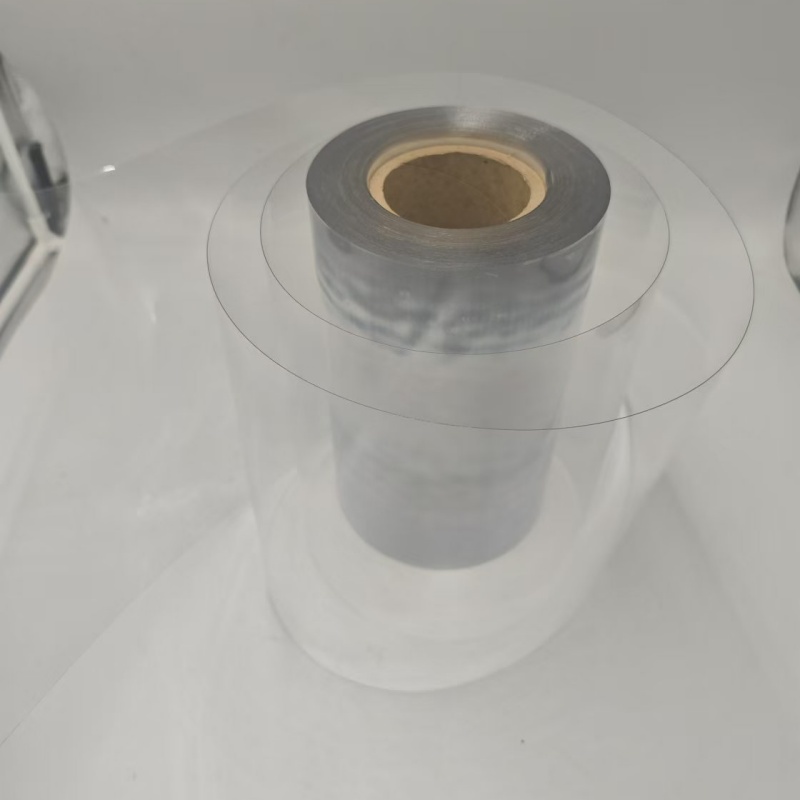
The 150μm white PVC printing layer serves as the core graphic-bearing layer in card manufacturing. Highly compatible with transparent PVC overlays and white PVC core layers, it is the mainstream intermediate material for standard PVC cards (0.76mm), balancing printing precision, lamination stability, and structural strength.
I. Material Characteristics and Compatibility
The 150μm white PVC printing layer consists of a rigid PVC substrate featuring a specially coated surface. It boasts high whiteness and excellent opacity, effectively masking the underlying color of the core layer to ensure the purity of printed colors. It features precise thickness and superior dimensional stability, with a thermal shrinkage rate of ≤0.5%. Compatible with lamination processes ranging from 110°C to 140°C, it demonstrates strong thermal-press compatibility with transparent PVC overlays (100μm) and white PVC core layers; post-lamination peel strength exceeds 5.5N, with no issues regarding delamination, blistering, or edge warping. The surface dyne level reaches ≥40 mN/m, making it suitable for offset, screen, and digital printing methods; it achieves a printing resolution of up to 1440 dpi, delivering accurate color reproduction and sharp line definition.
II. Core Functions
Graphic Carrier: Serving as the printing medium for the front and back of the card, it clearly displays text, graphics, and variable data, meeting the high-definition printing requirements for financial cards, membership cards, and similar applications.
Structural Support: When laminated with the core and overlay layers, it forms a robust five-layer structure—"Overlay – Printing Layer – Core Layer – Printing Layer – Overlay"—thereby enhancing the card's rigidity and flexural strength.
Broad Compatibility: It does not interfere with the embedding of chips, magnetic stripes, or antennas, making it suitable for the production of various functional cards, including IC cards, RFID cards, and magnetic stripe cards.
Weather Resistance and Durability: Resistant to UV radiation and aging, it remains free from yellowing or fading over extended periods of use, thereby extending the overall service life of the card.
III. Production Process and Applications
During production, graphics are first printed onto the 150μm white PVC printing layer. These sheets are then stacked in sequence with the transparent PVC overlays and white PVC core layers, thermally bonded using a laminating press, and finally die-cut into standard 85.5 × 54mm cards. Widely utilized in the production of bank cards, ID cards, campus cards, access control cards, membership cards, and more, it stands as the preferred choice for cost-effectiveness within the card manufacturing industry.
IV. Comparative Advantages
Compared to a 100μm printing layer, the 150μm thickness offers superior rigidity, enhanced opacity, and greater printing flatness. Furthermore, when compared to a PETG printing layer, PVC features lower costs, a more mature lamination process, and optimal compatibility with white PVC substrates.
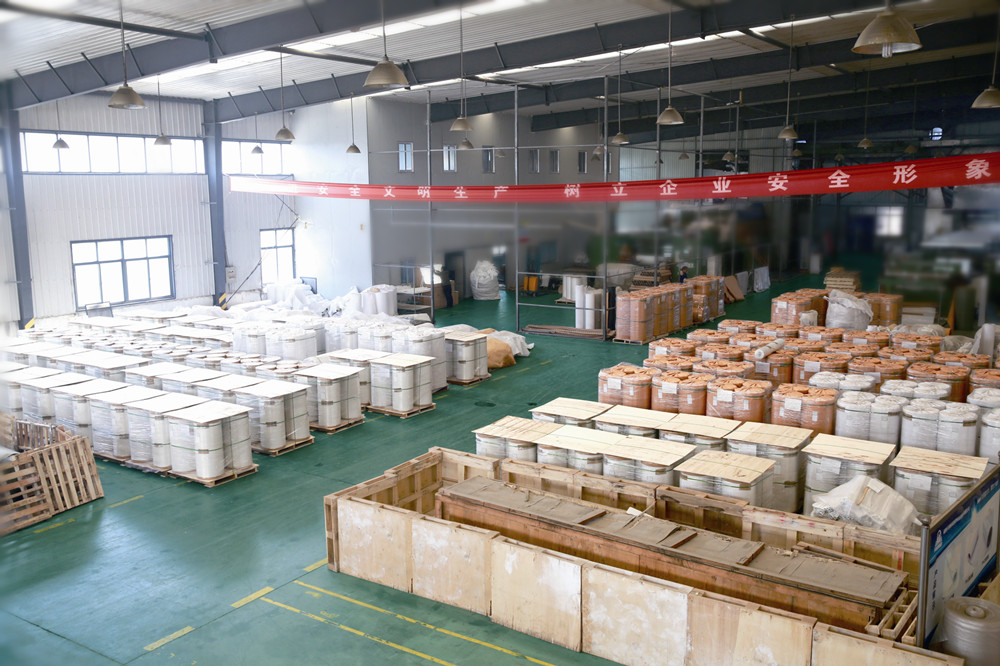
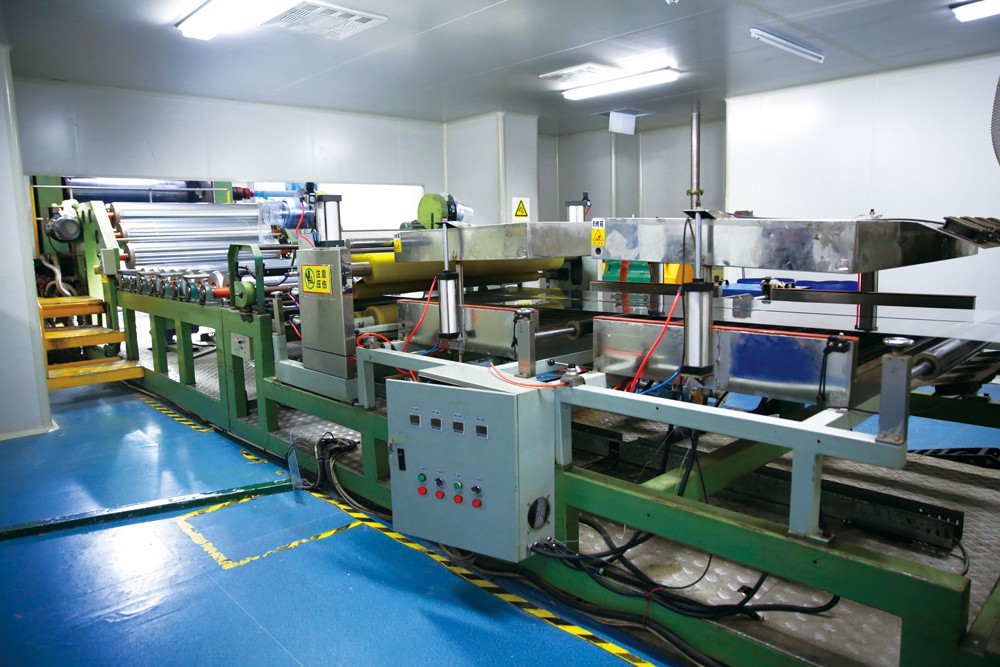
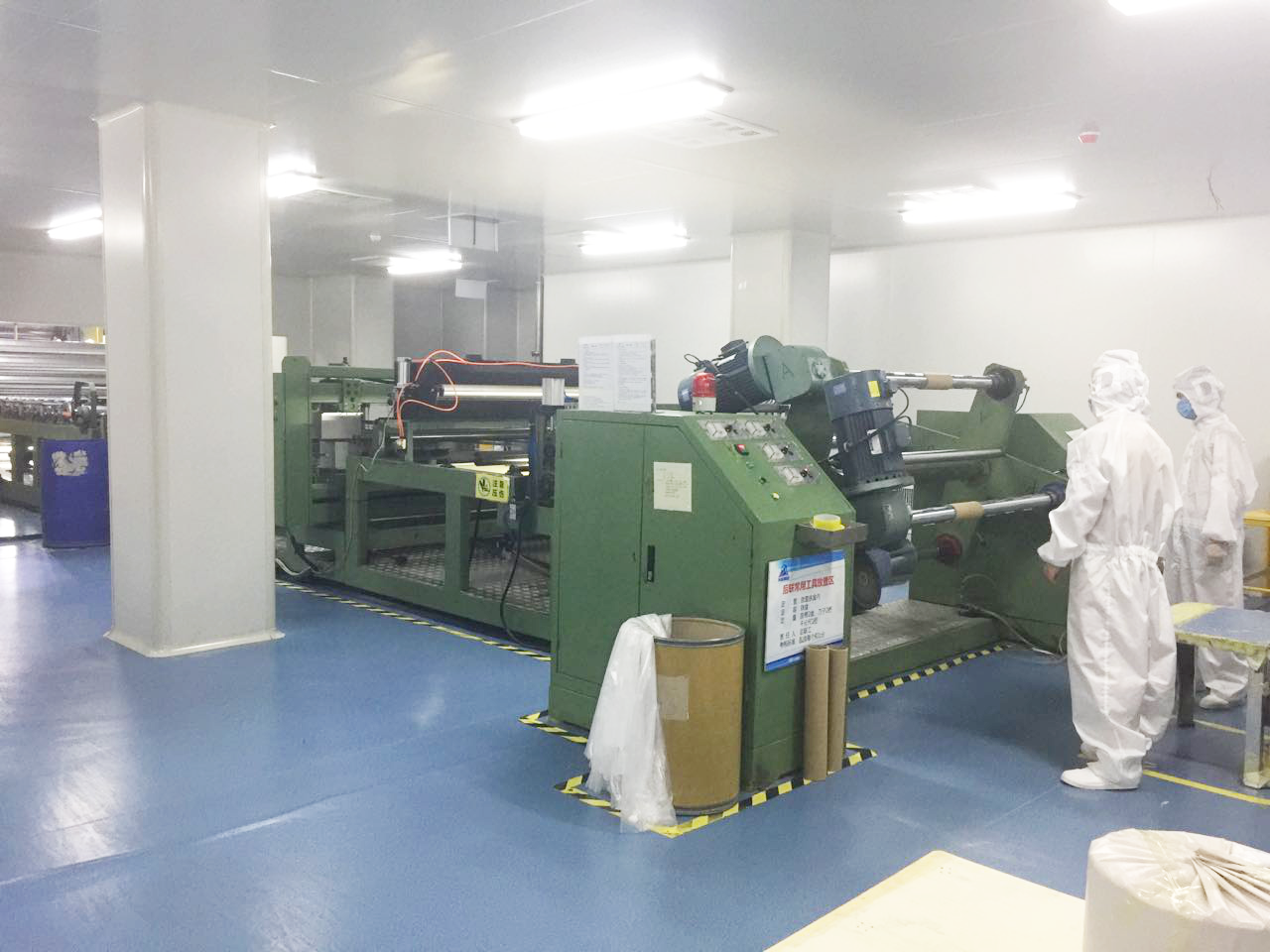
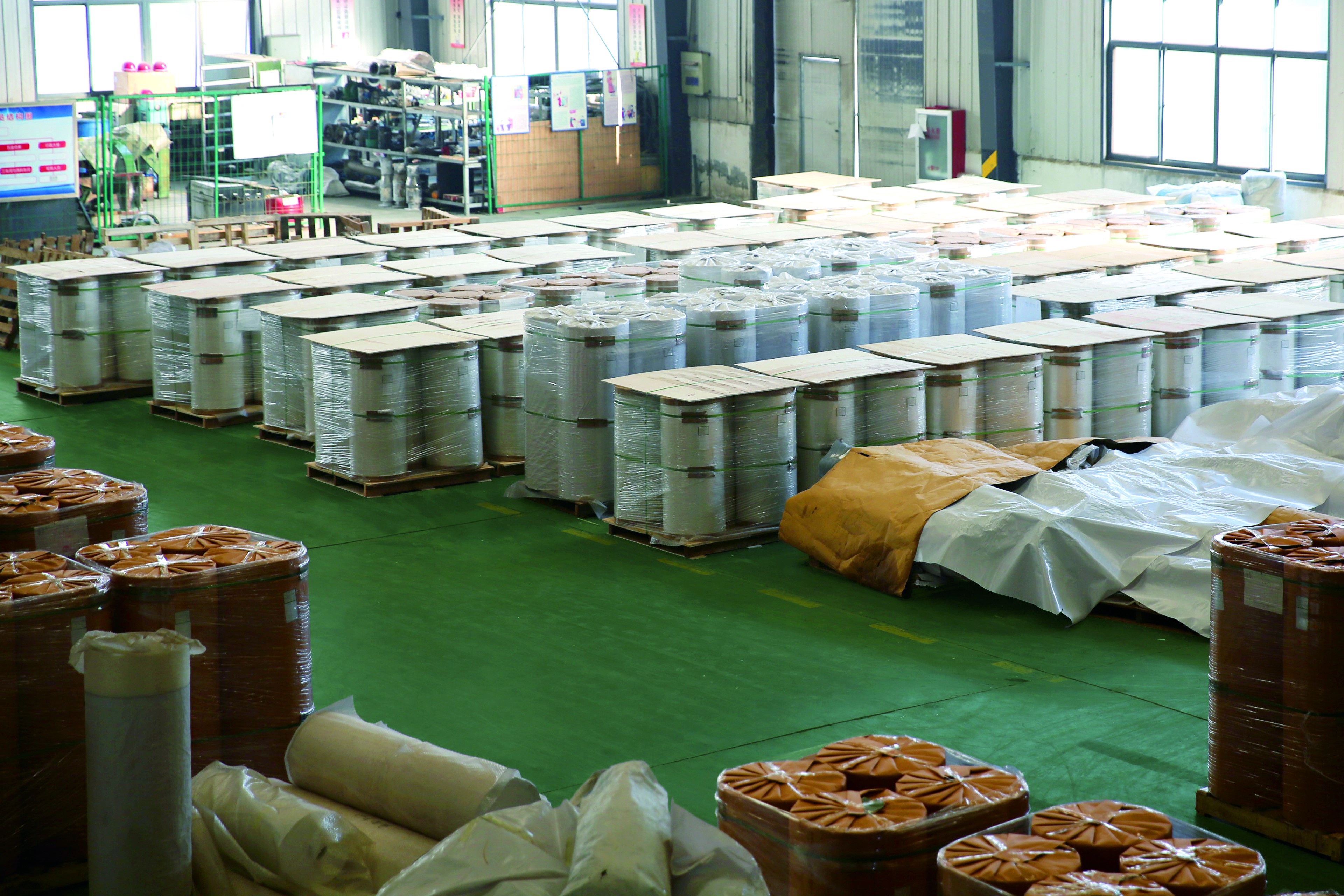
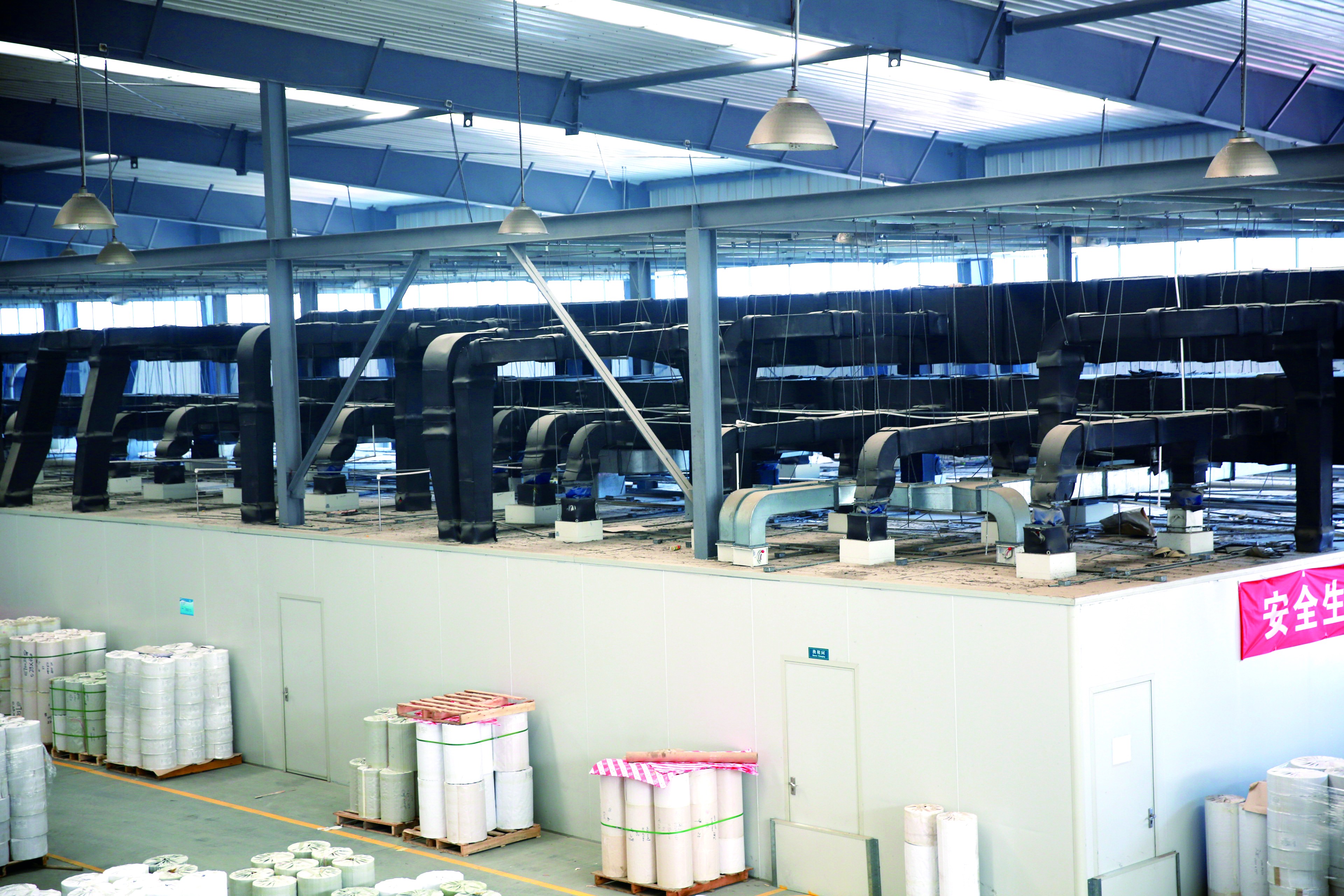
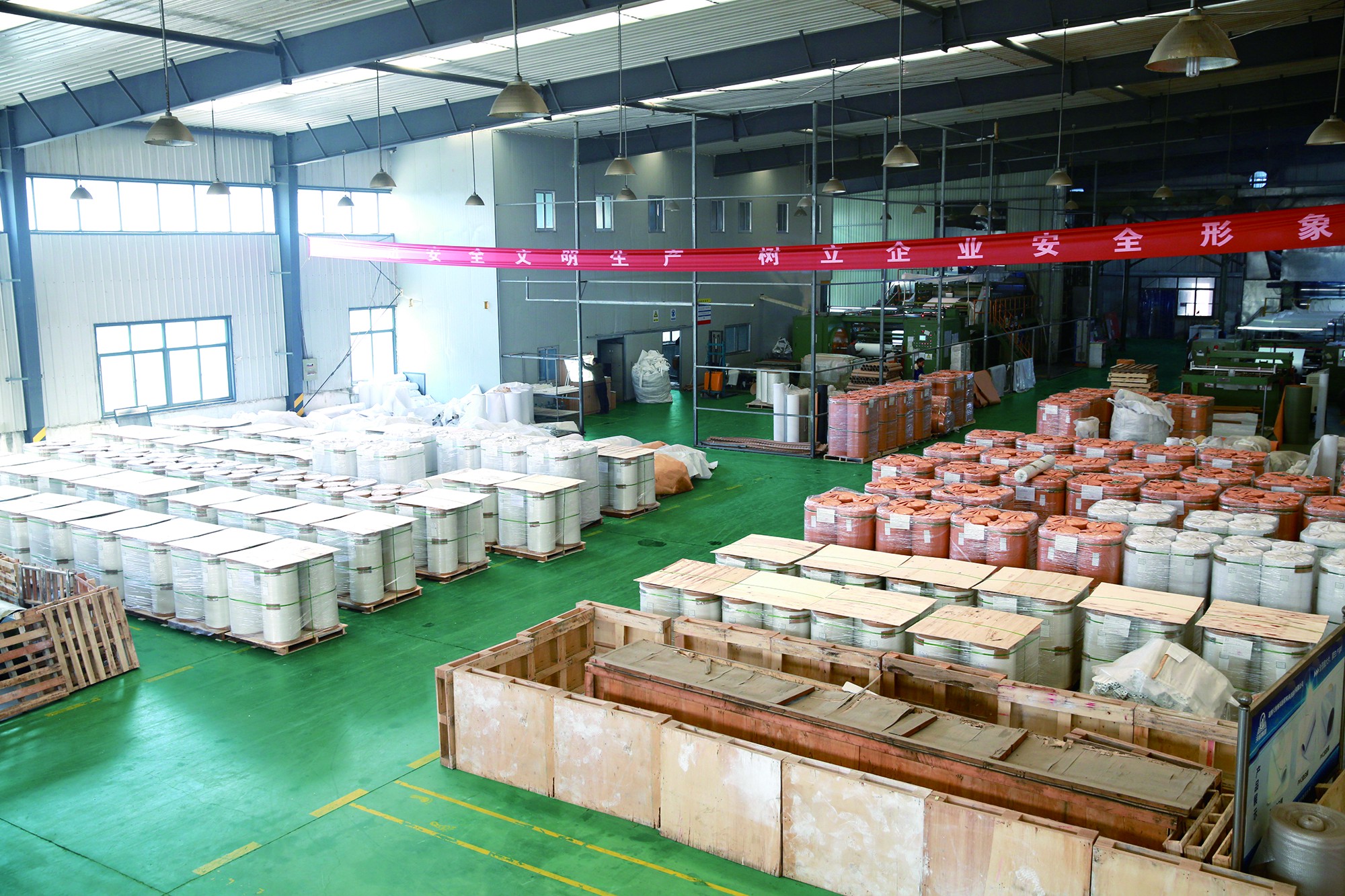
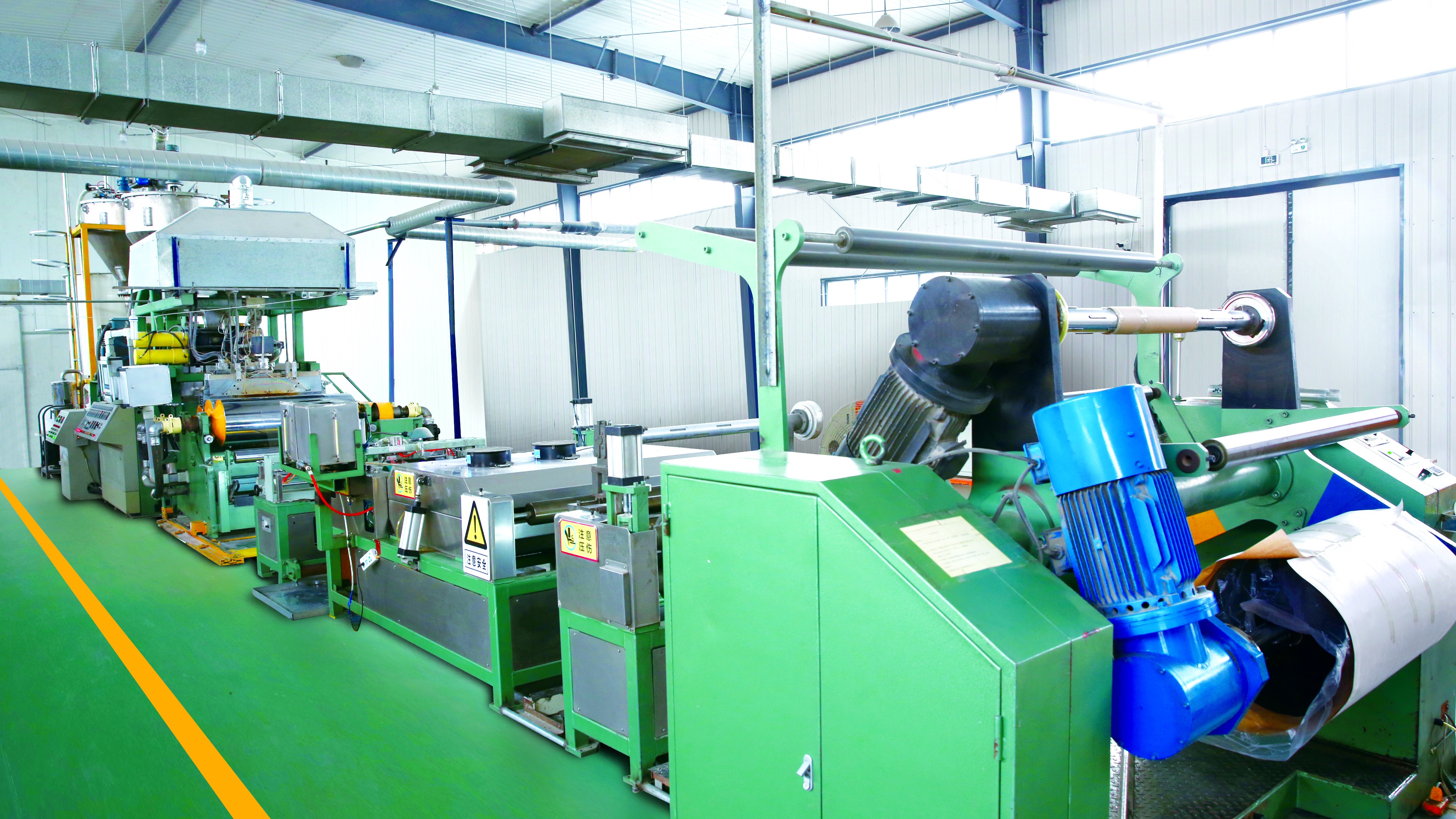
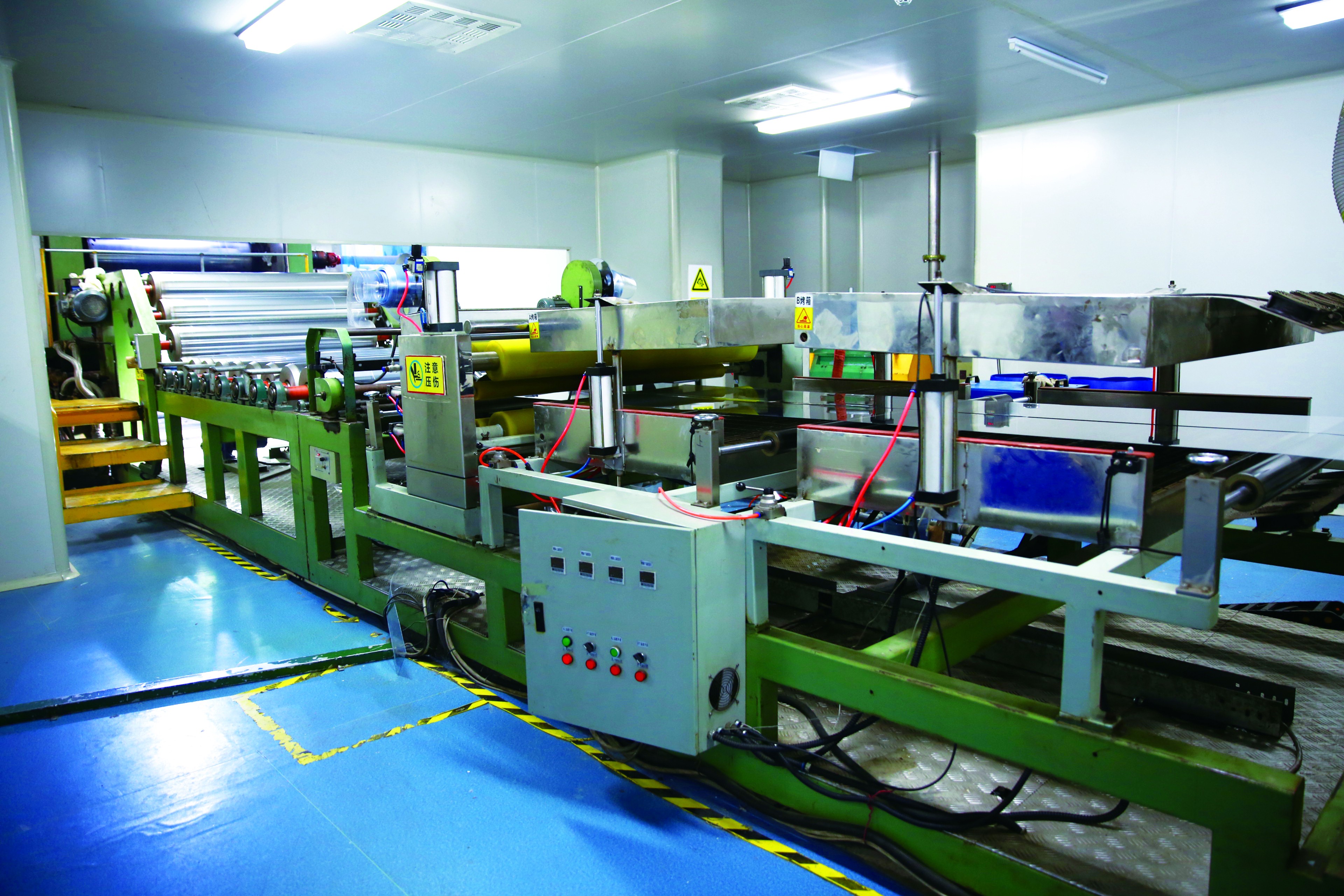
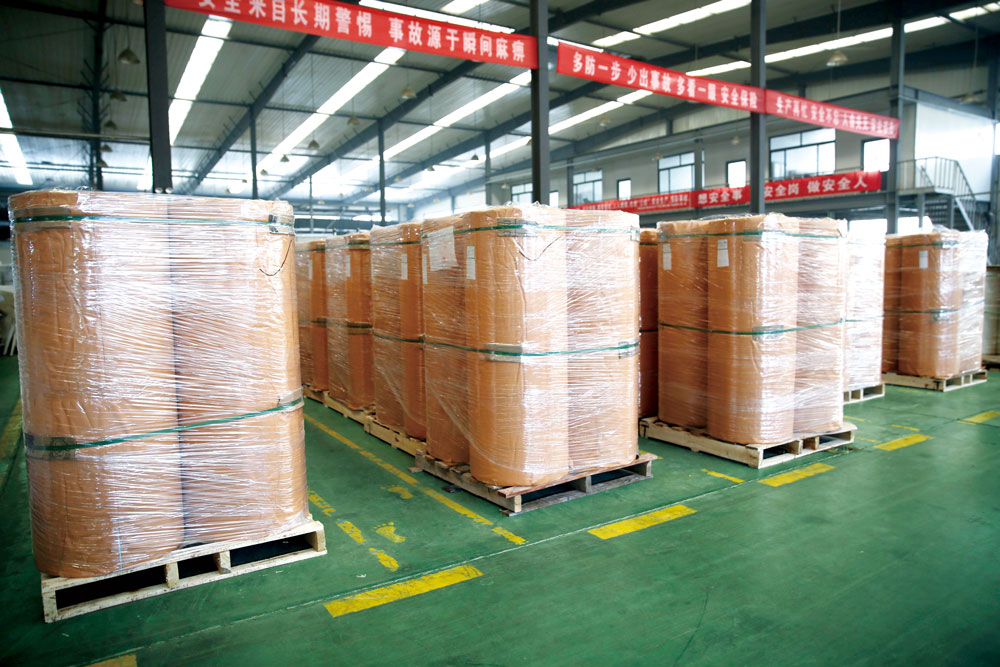
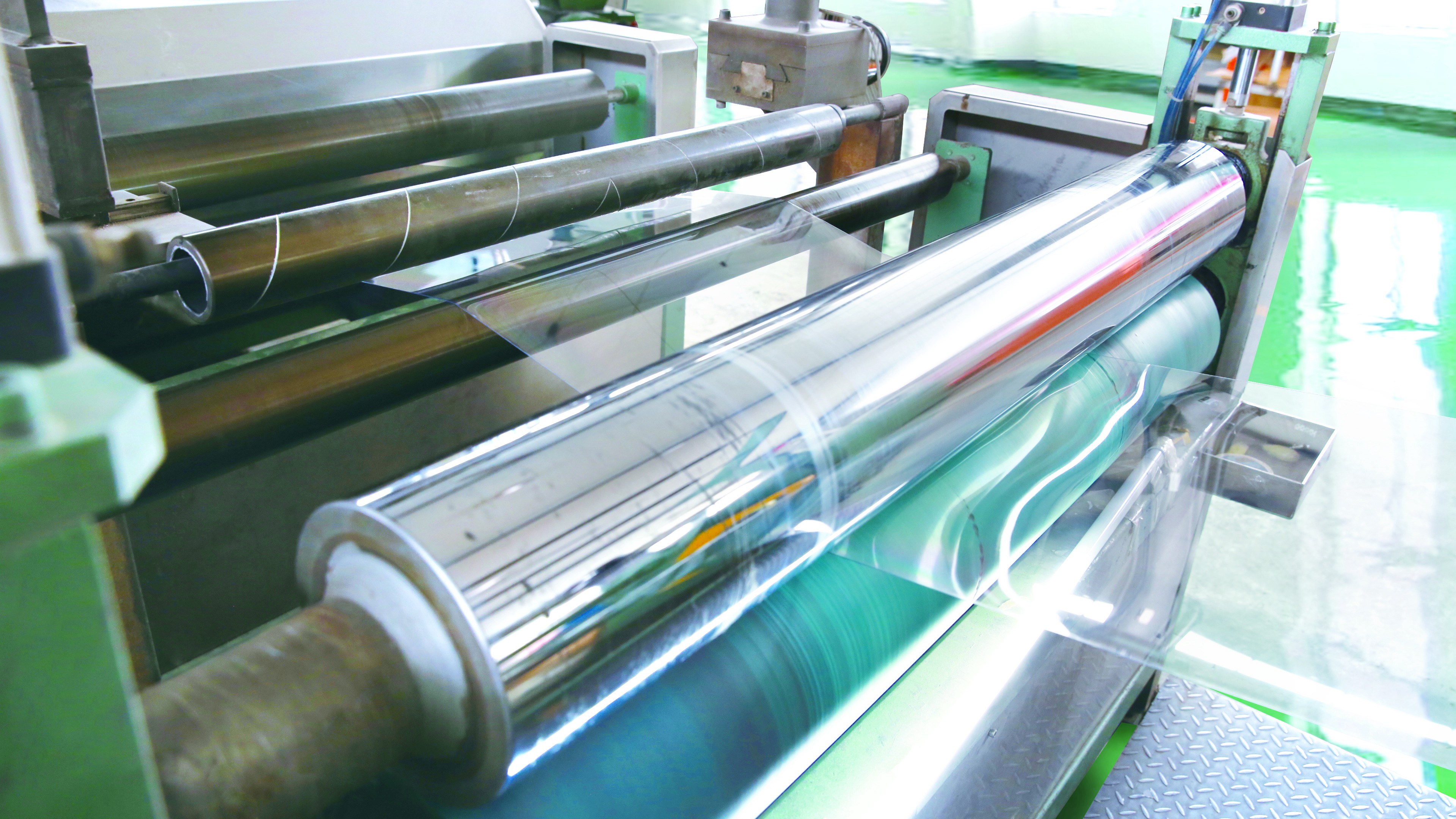
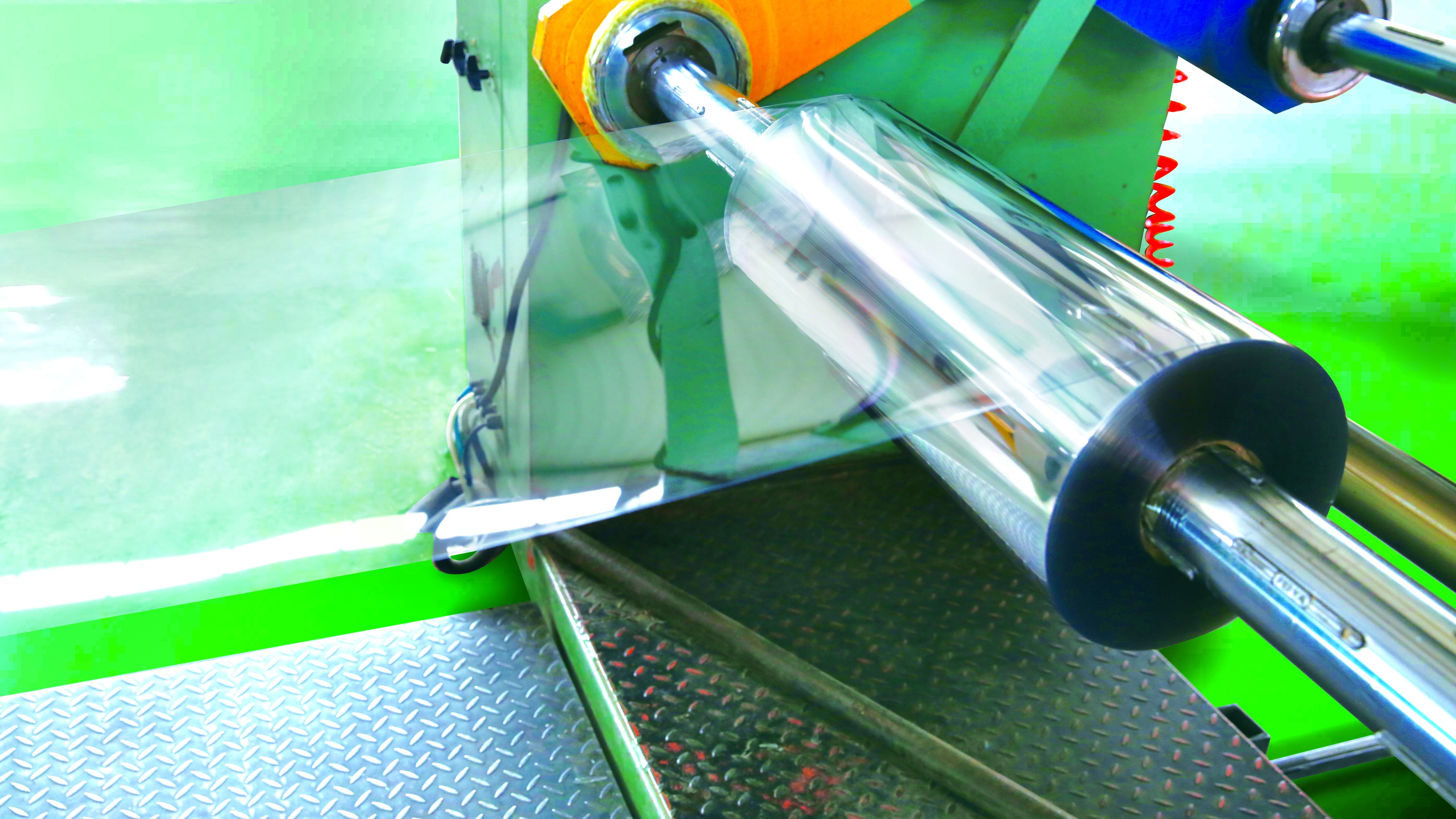
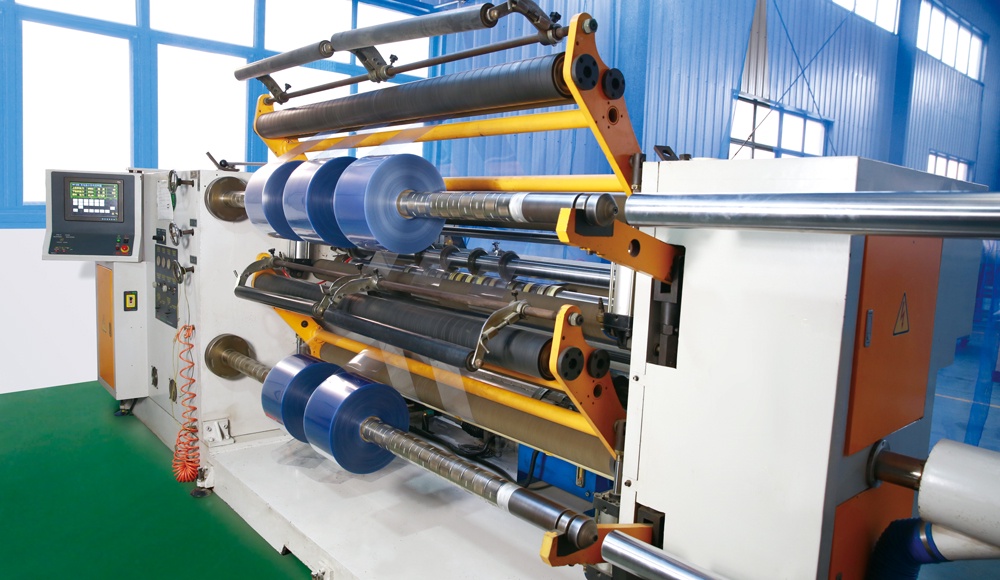
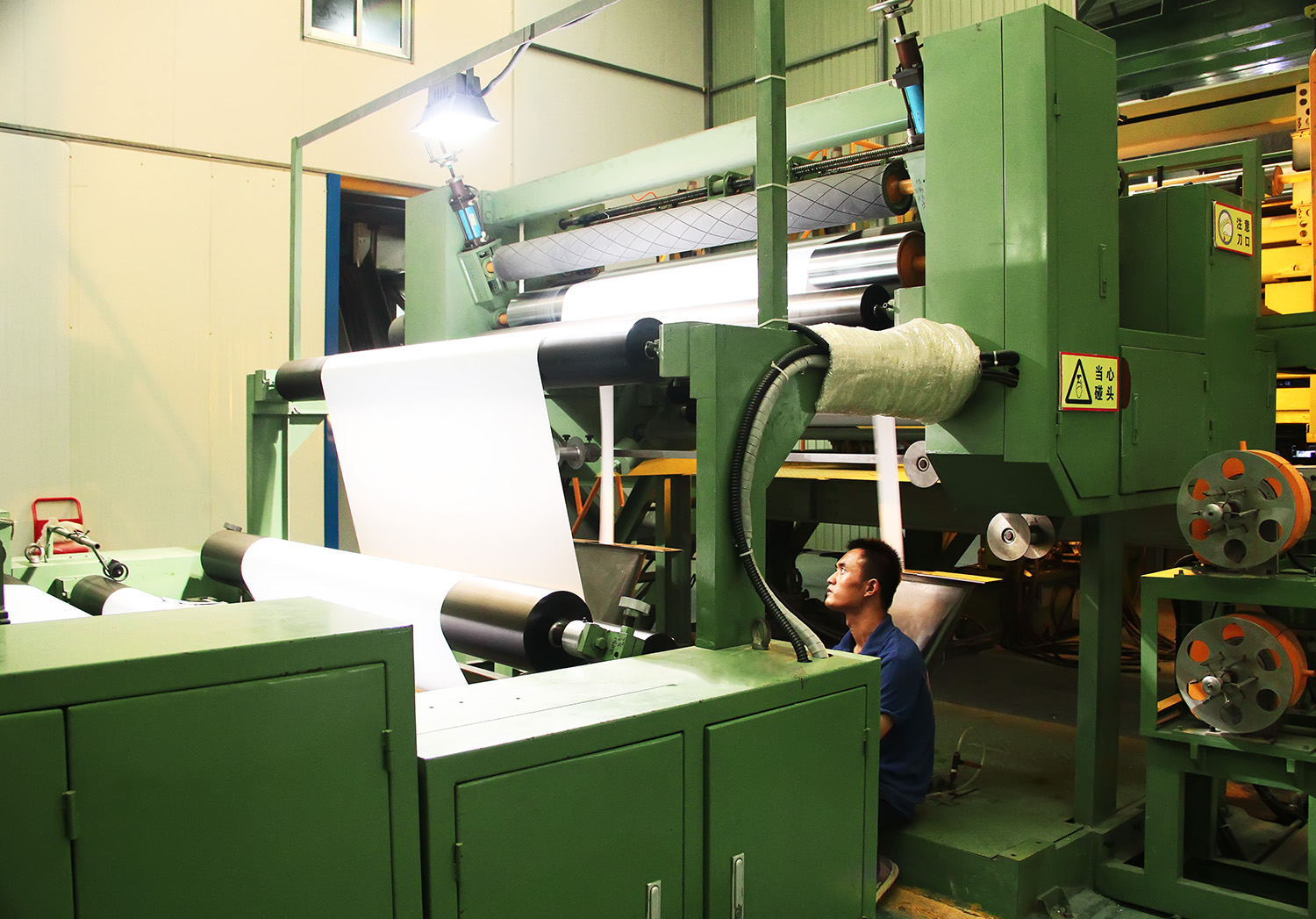
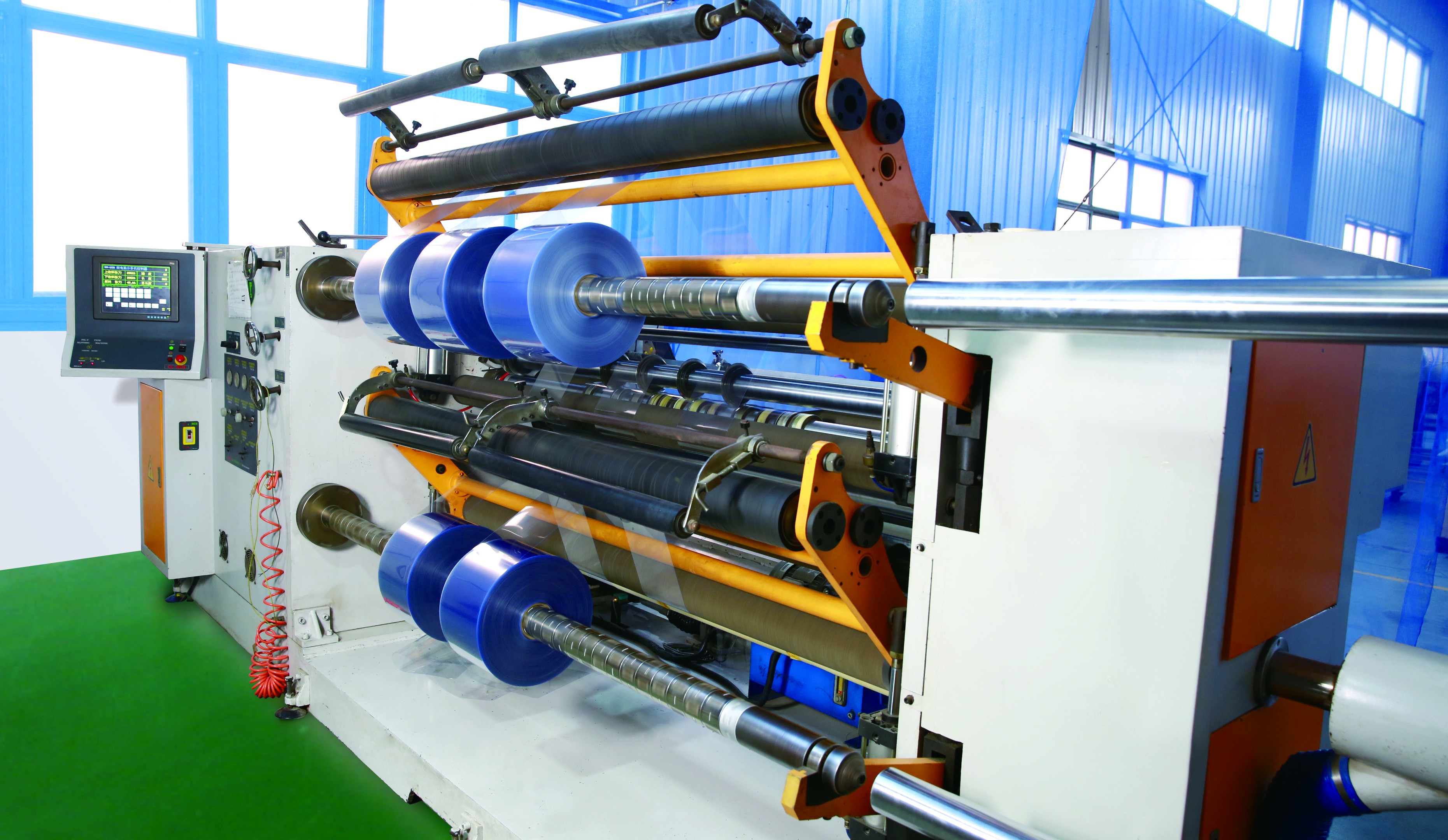
factory workshop


Application Scenarios
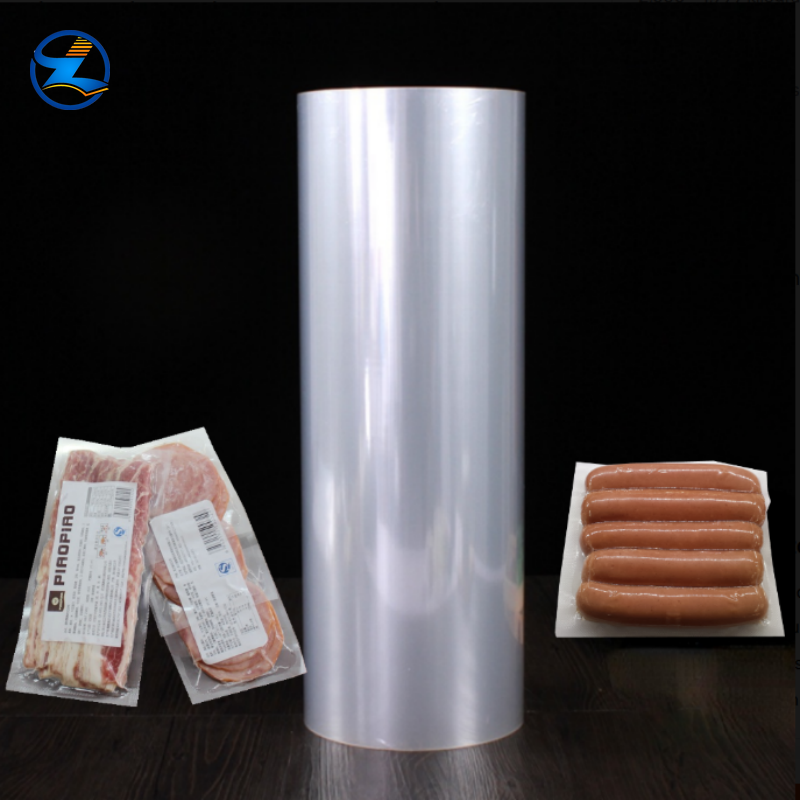
Food packaging
Food packaging
Pharmaceutical packaging
Pharmaceutical packaging
electronic tray
electronic tray
Metal packaging
Metal packaging
Handicraft packaging
Handicraft packaging
Stationery Packing
Stationery Packing
New energy battery component packaging
New energy battery component packaging
Fresh food cold chain packaging
Fresh food cold chain packaging
Related Products
 opaque Polystyrene film white ps sheet for thermoforming
 Flexible PVC Film Roll, Calendered Plastic Film
 Custom Color Brown PVC Flexible Film
 High Barrier PE EVOH PE Film for Food
 PE/PA/EVOH Thermo Shrinkable Wrap Film
 Thermally form PP Sheet roll for Tray
 EXtrusion forming PET plastic Roll
 Matte/ Glossy BOPP film roll
 0.4mm Clear PET Sheet Roll
 High clarity good stiffness PVC Sheet Roll
 PVC Flocked Sheet for Packaging
 High-transparency PET clear Sheet
 Colored High Tensile Strength HIPS Rigid Film
 PVC rigid sheet for pharmaceutical blister packing
 Biodegradable Colored HIPS Rigid Film for Seeding Tray
 Uniform PS Film Roll, heat-tunable film
 Firm PS Film Roll, oil-resistant film
 0.3mm opaque white pp sheet roll for thermoforming
 PP rigid sheet roll for tray
 Thermoformed APET food container
 Light weight PP Fim Roll
 PVC PVDC Rigid Film for Pharmaceutical Blister Packaging
 Medical Grade Rigid Transparent PVC PVDC PE Film
 Sustainable Clarity: Premium 0.39mm Recyclable plastic
 Opaque White PVC Film Roll, matte vinyl film
 High-bright PET Reflective Film Roll, polyester reflective sheet
") PET Rigid Sheet (0.8mm / 1.0mm)
PET Rigid Sheet (0.8mm / 1.0mm) Opaque Rigid Thermoplastic Polypropylene Film for Food Tray
 Colored PP Plastic Sheet Roll for Food Packaging
 Colored PP film for printing
 Glossy PET Film Roll, vapor barrier film
 Cold resistant APET sheet for packing
 Level PET Film Roll, low thermal-shrink film
 PVC super clear soft film
 PVC wrapping film for room temperature use, with high tensile strength
 High clearity PET thermoforming Sheet
") PP sheet (Polypropylene sheet)
PP sheet (Polypropylene sheet) White PC A4 size Rigid Film
 Good toughness PET Sheet
 Thermoforming Co- Extrusion Cast Pa Evoh Pe Film
Get A Free Quote

If you are interested in our products and want to know more details,please leave a message here,we will reply you as soon as we can.