PRODUCTS
‹
›
‹
›
Product Description
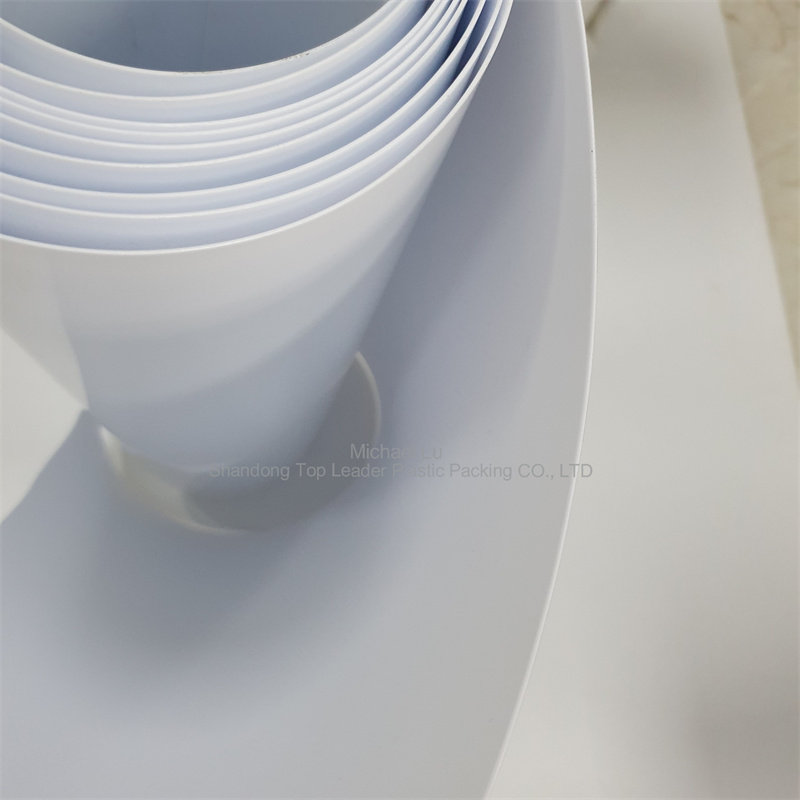
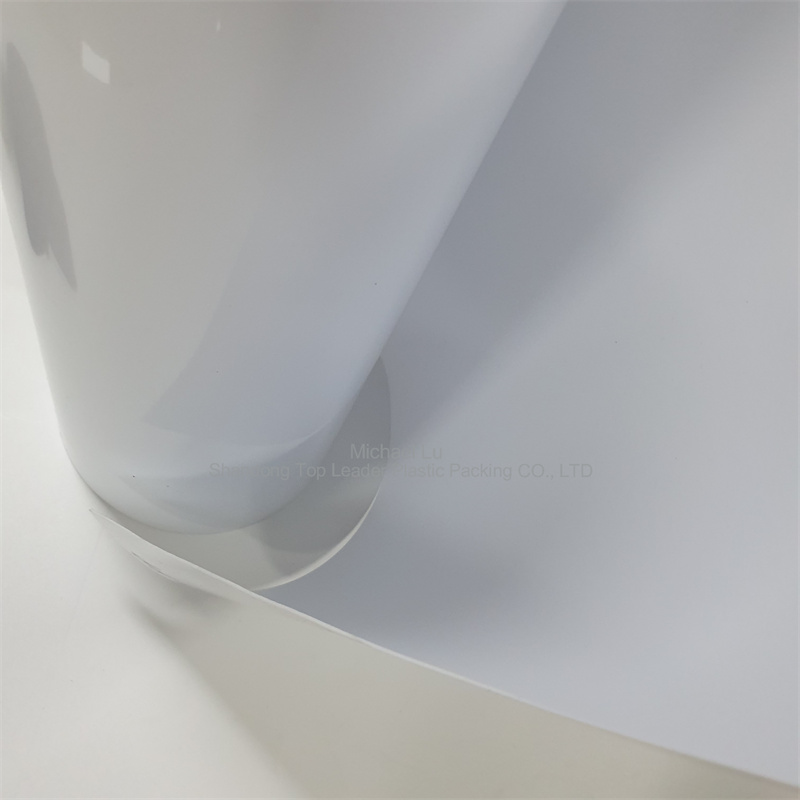
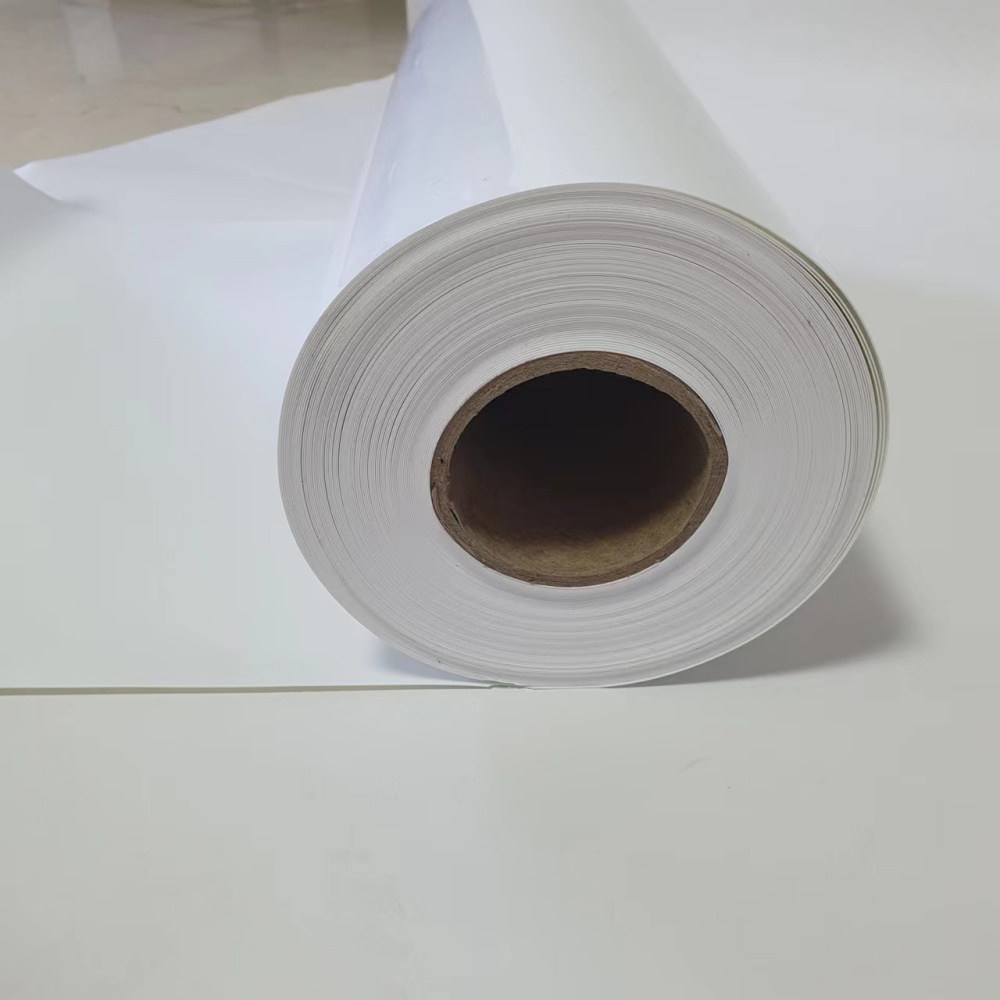
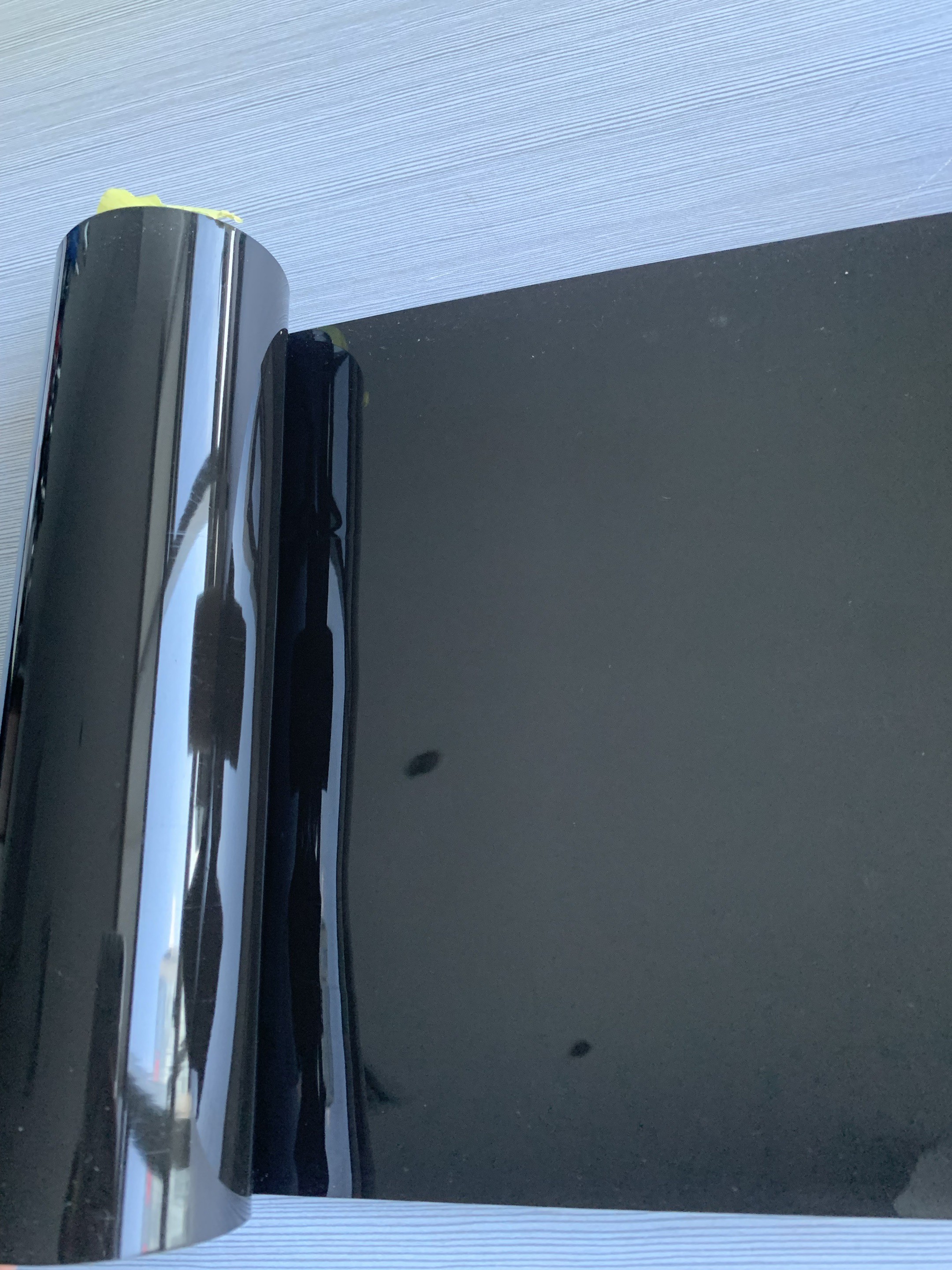
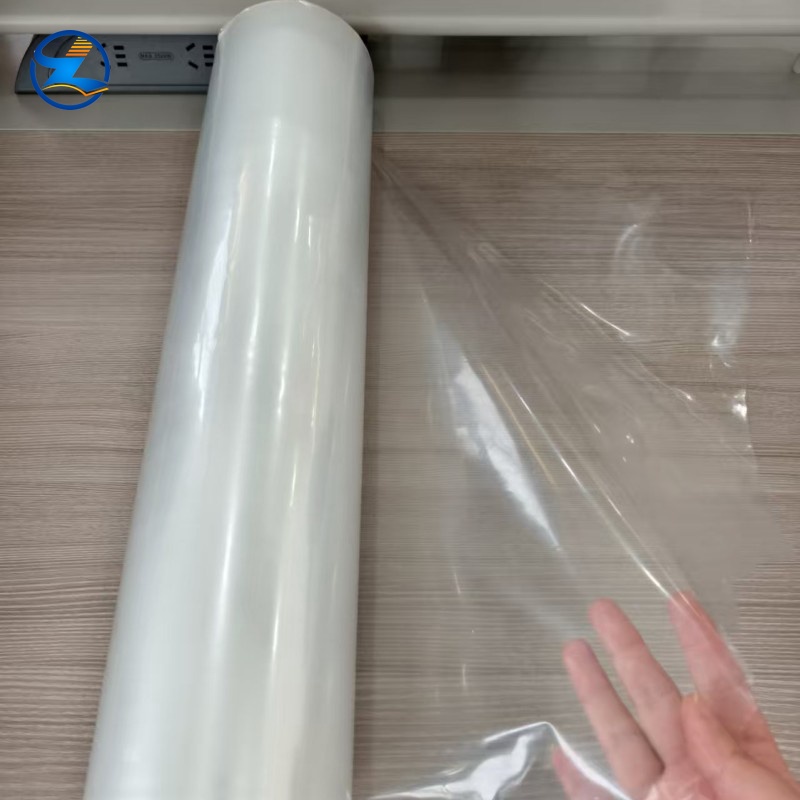
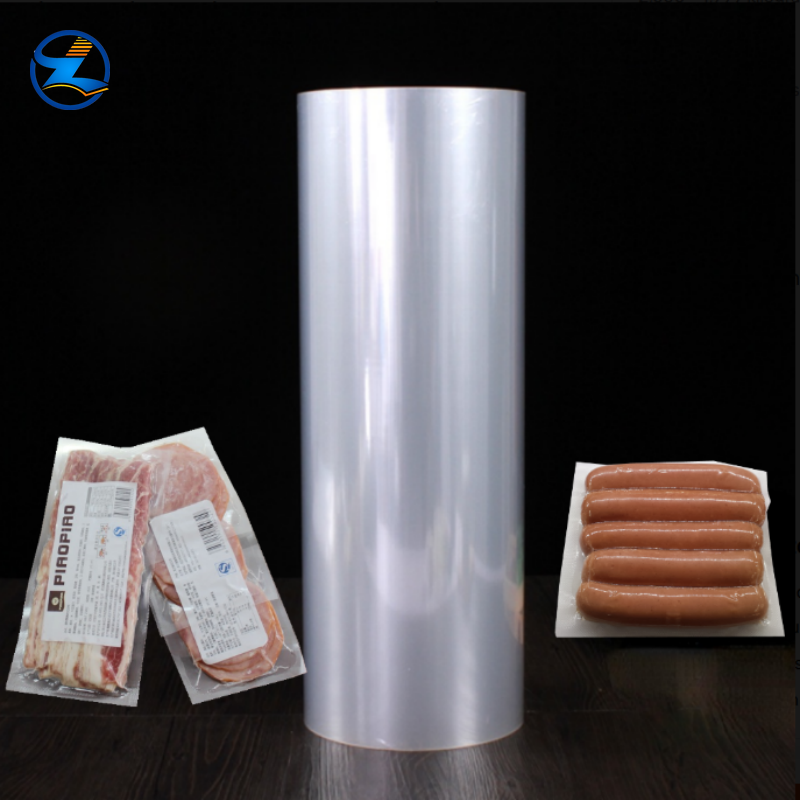
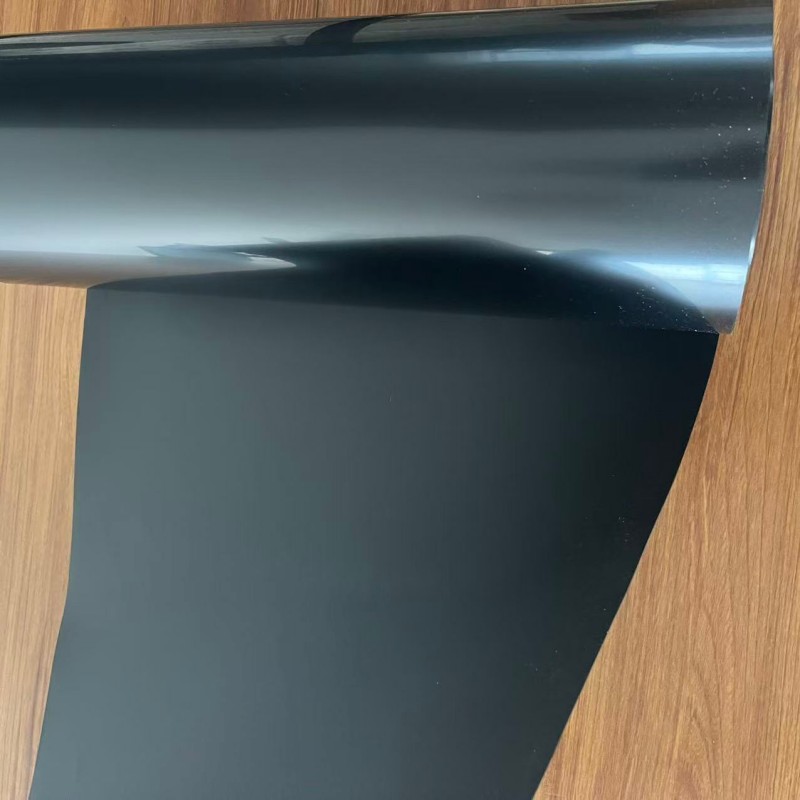
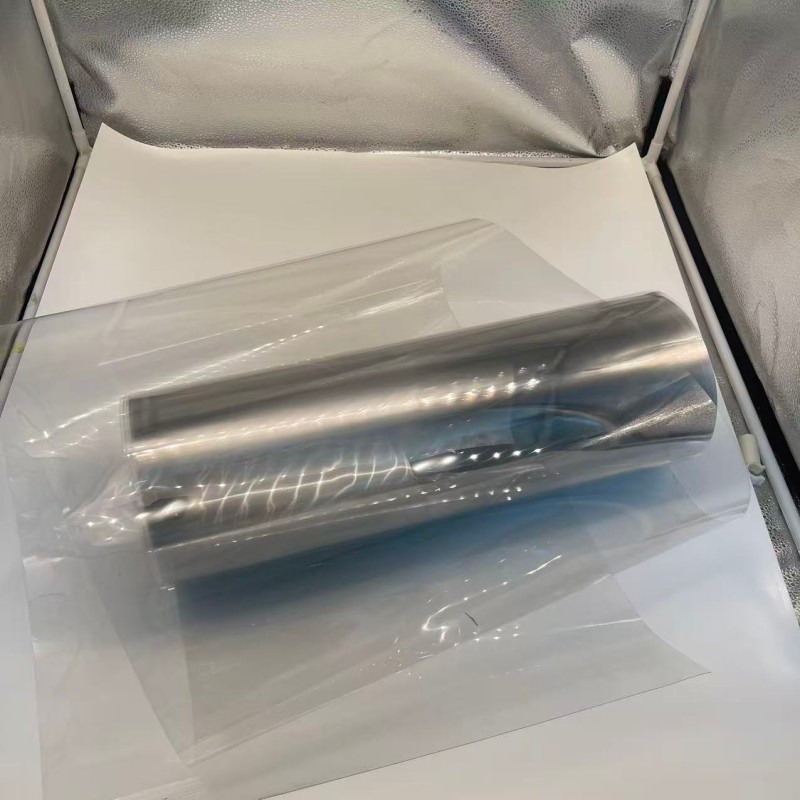
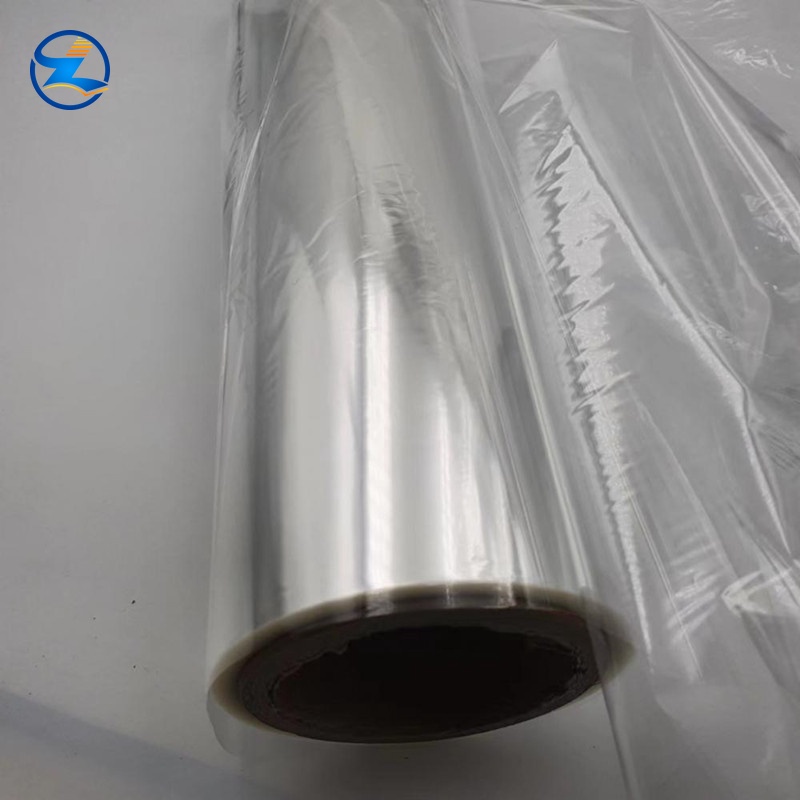
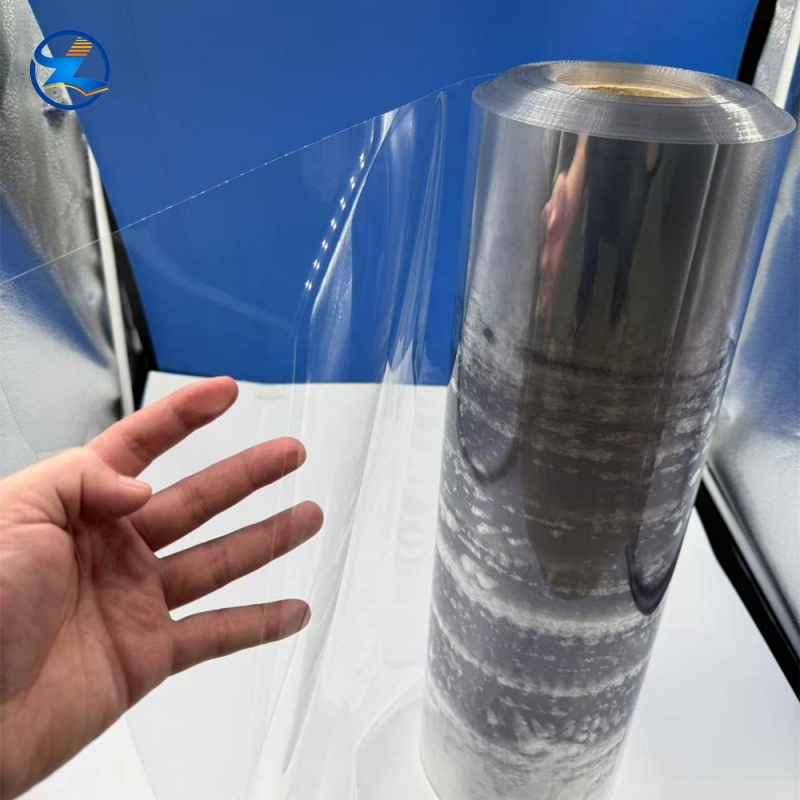
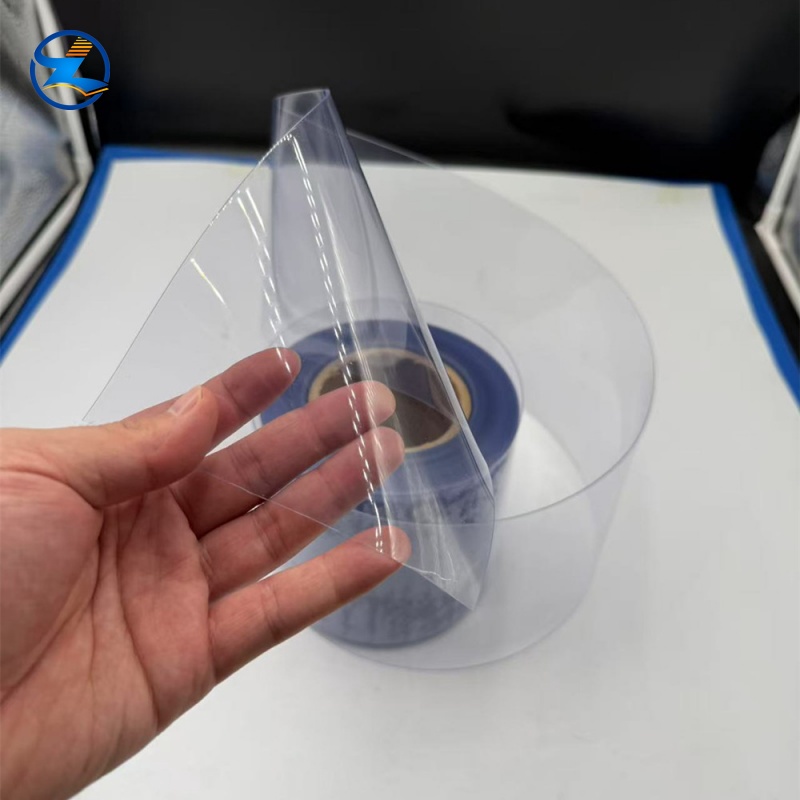
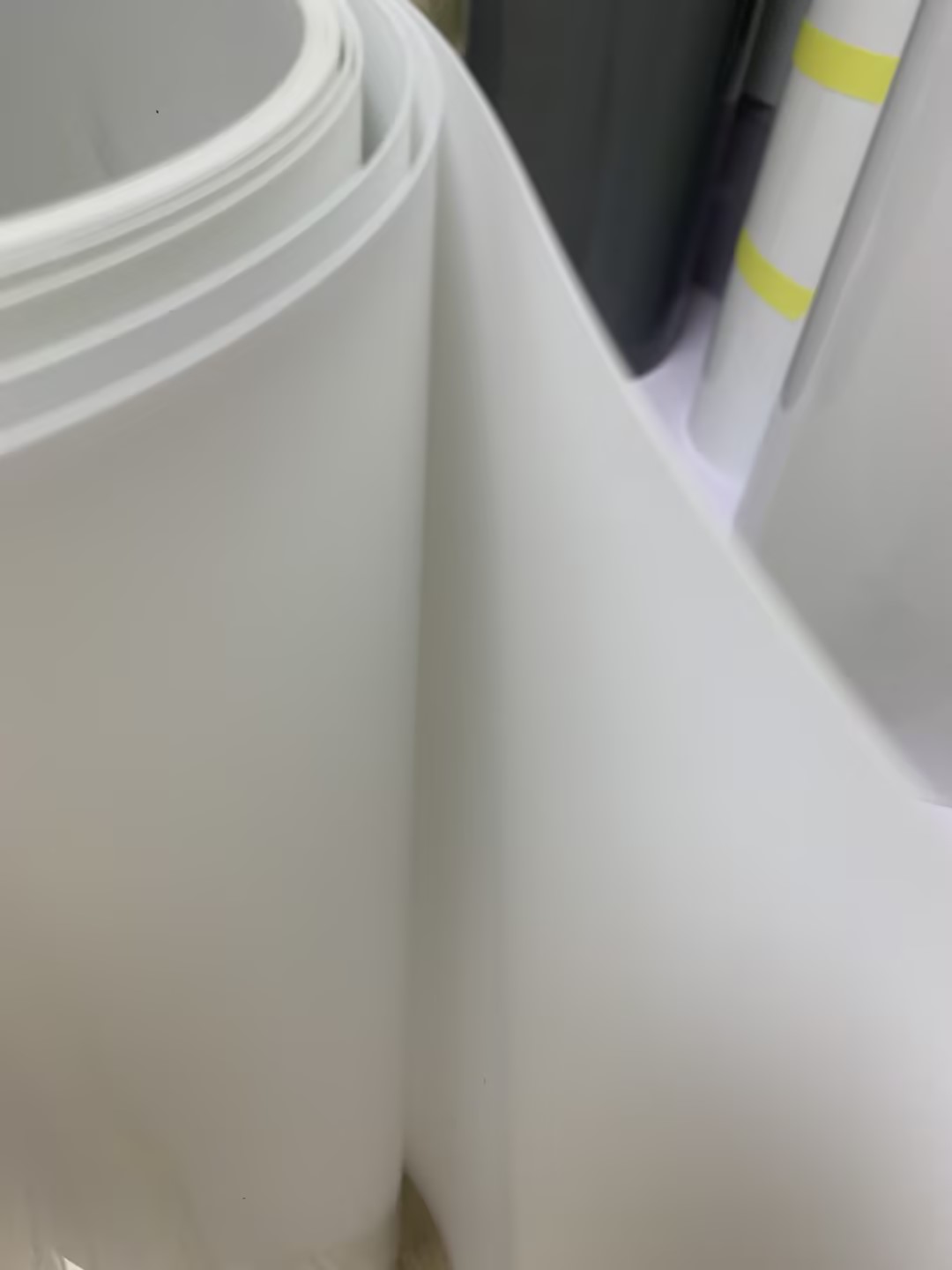
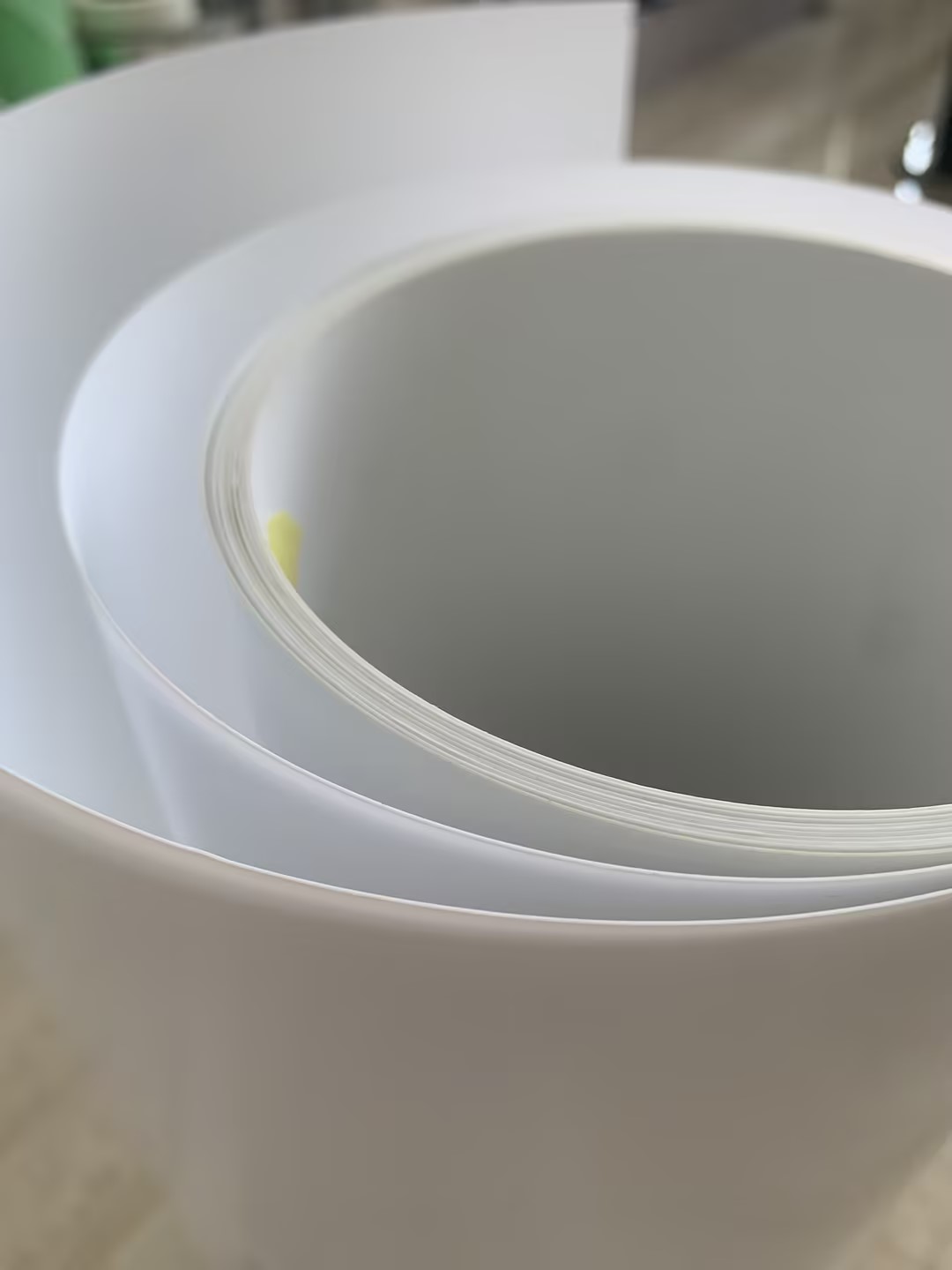
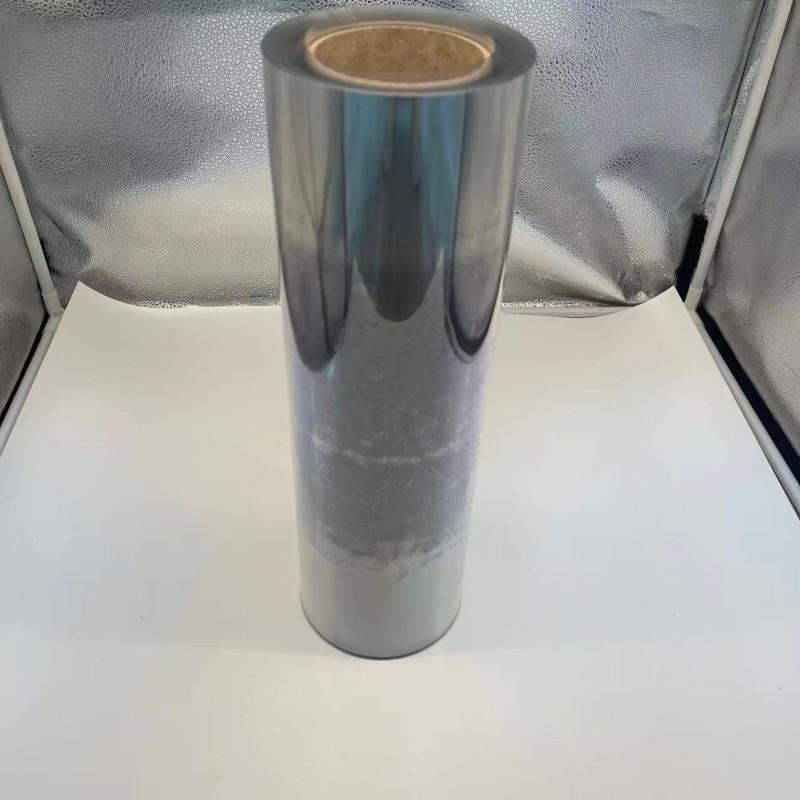
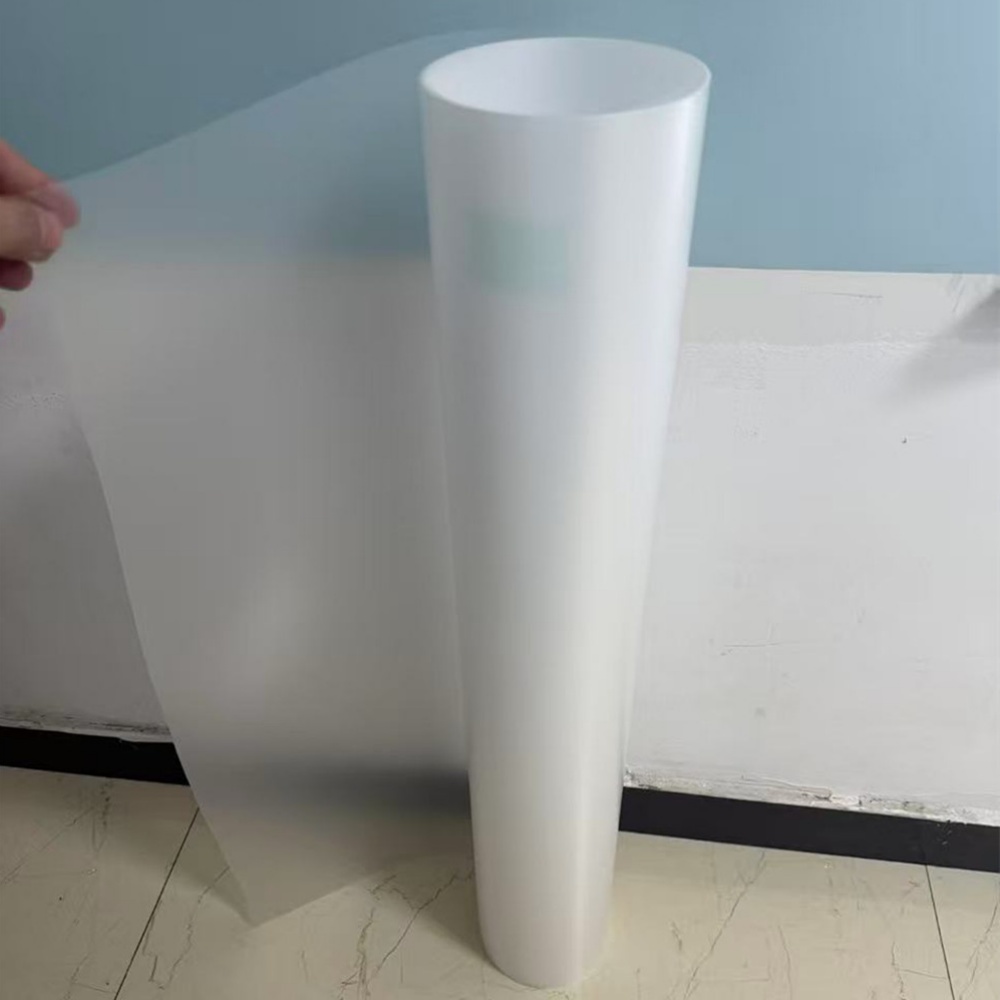
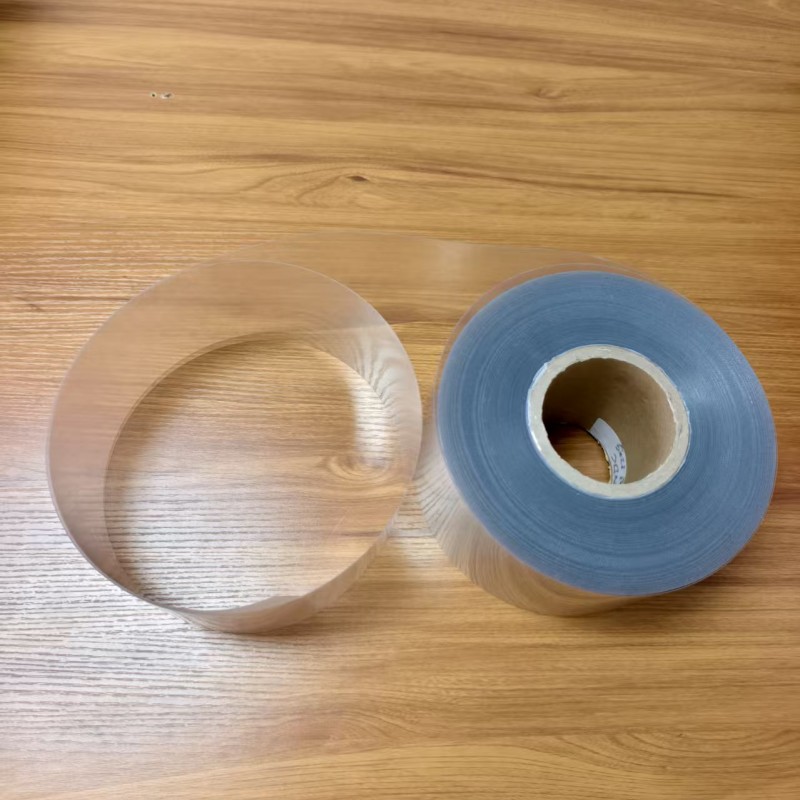
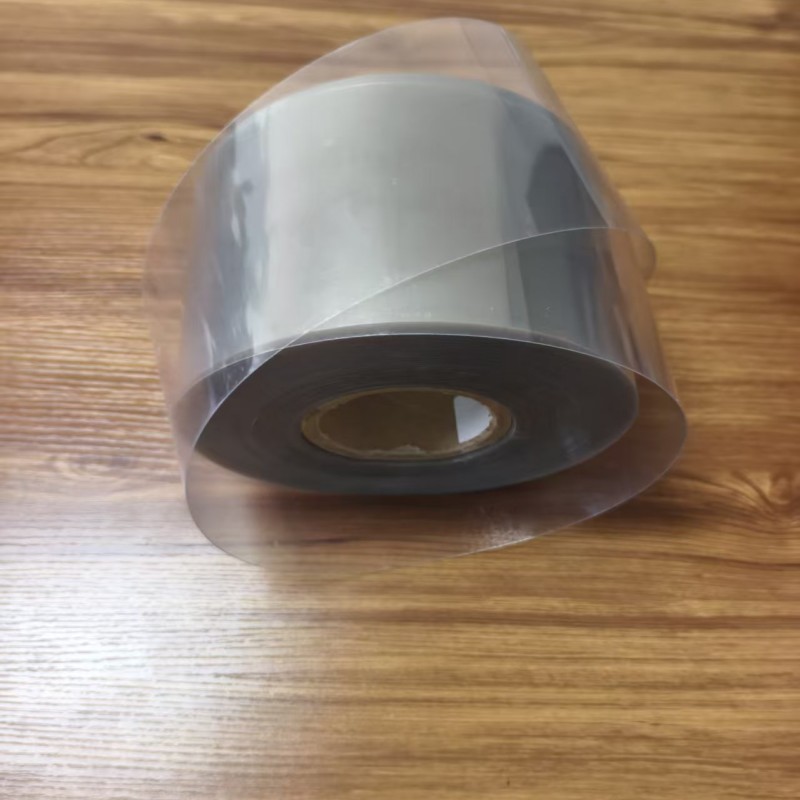
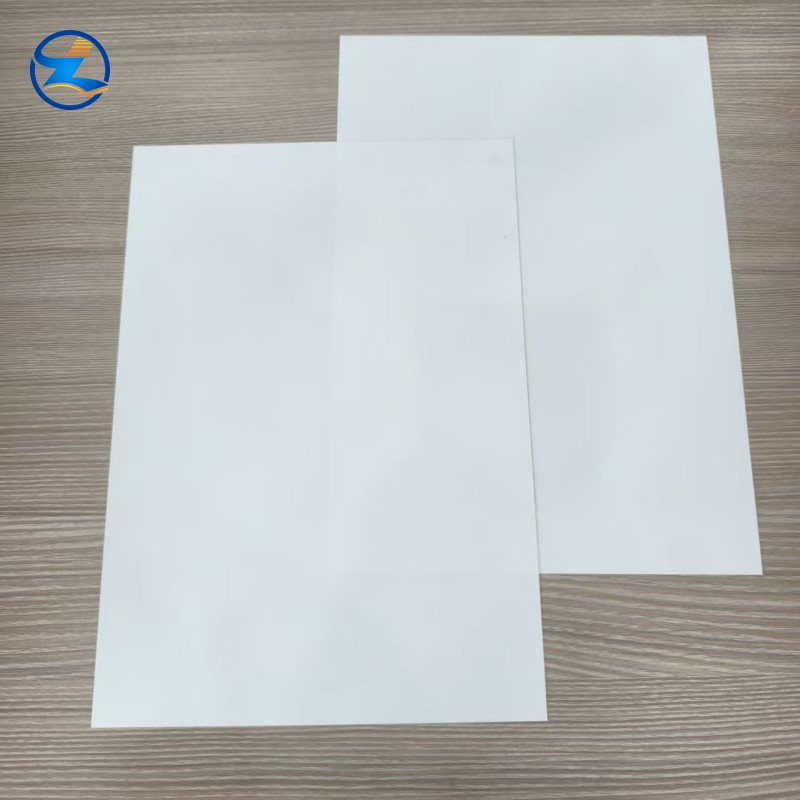
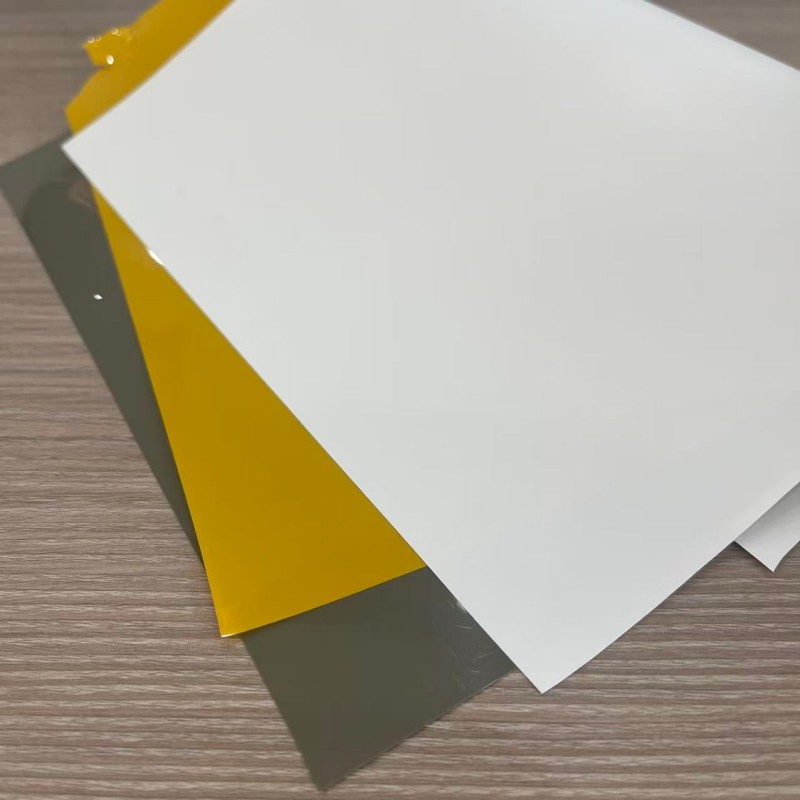
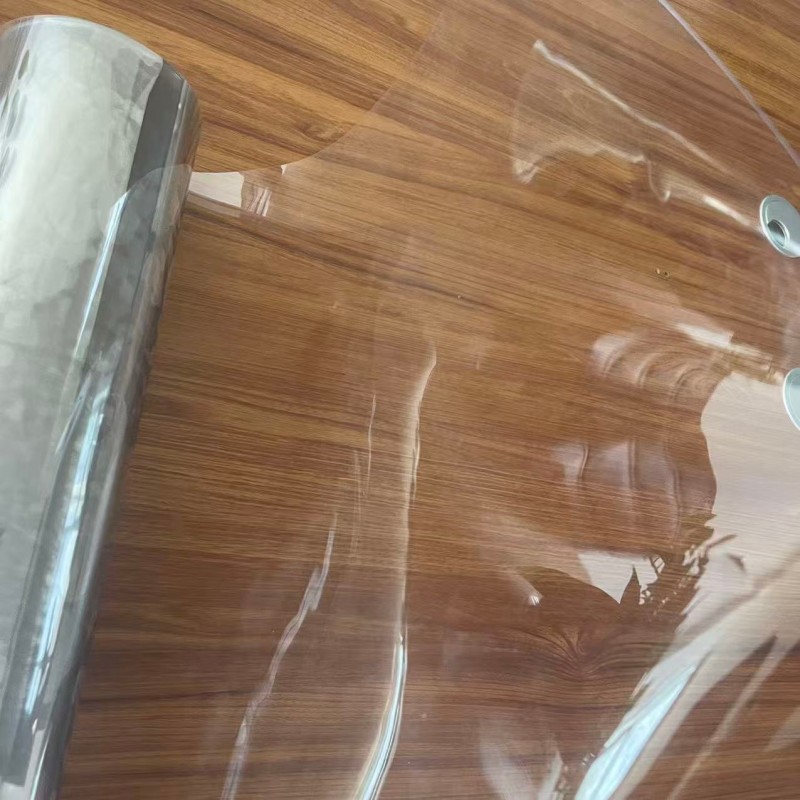
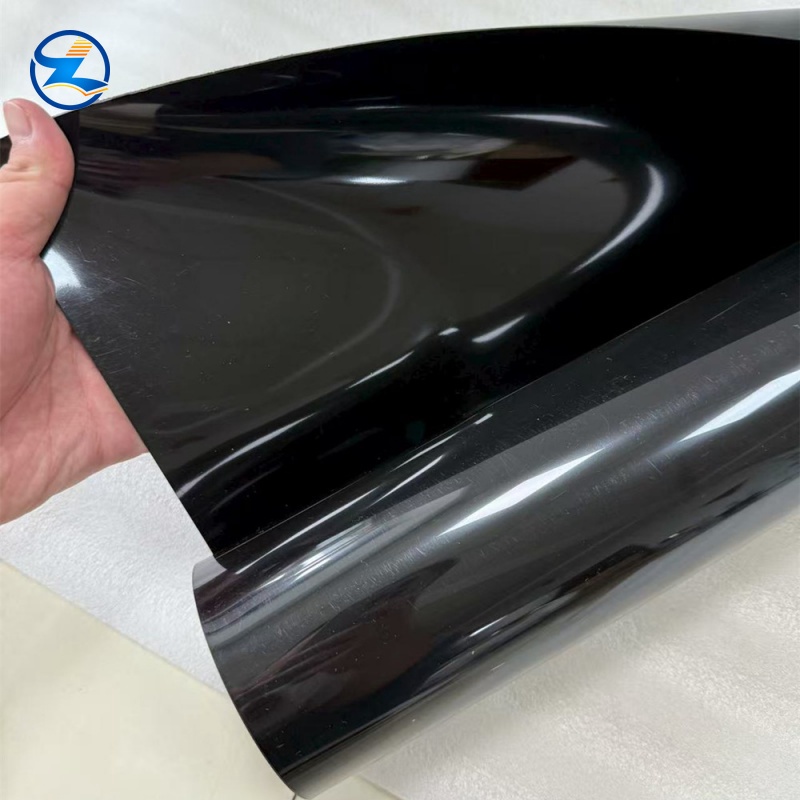
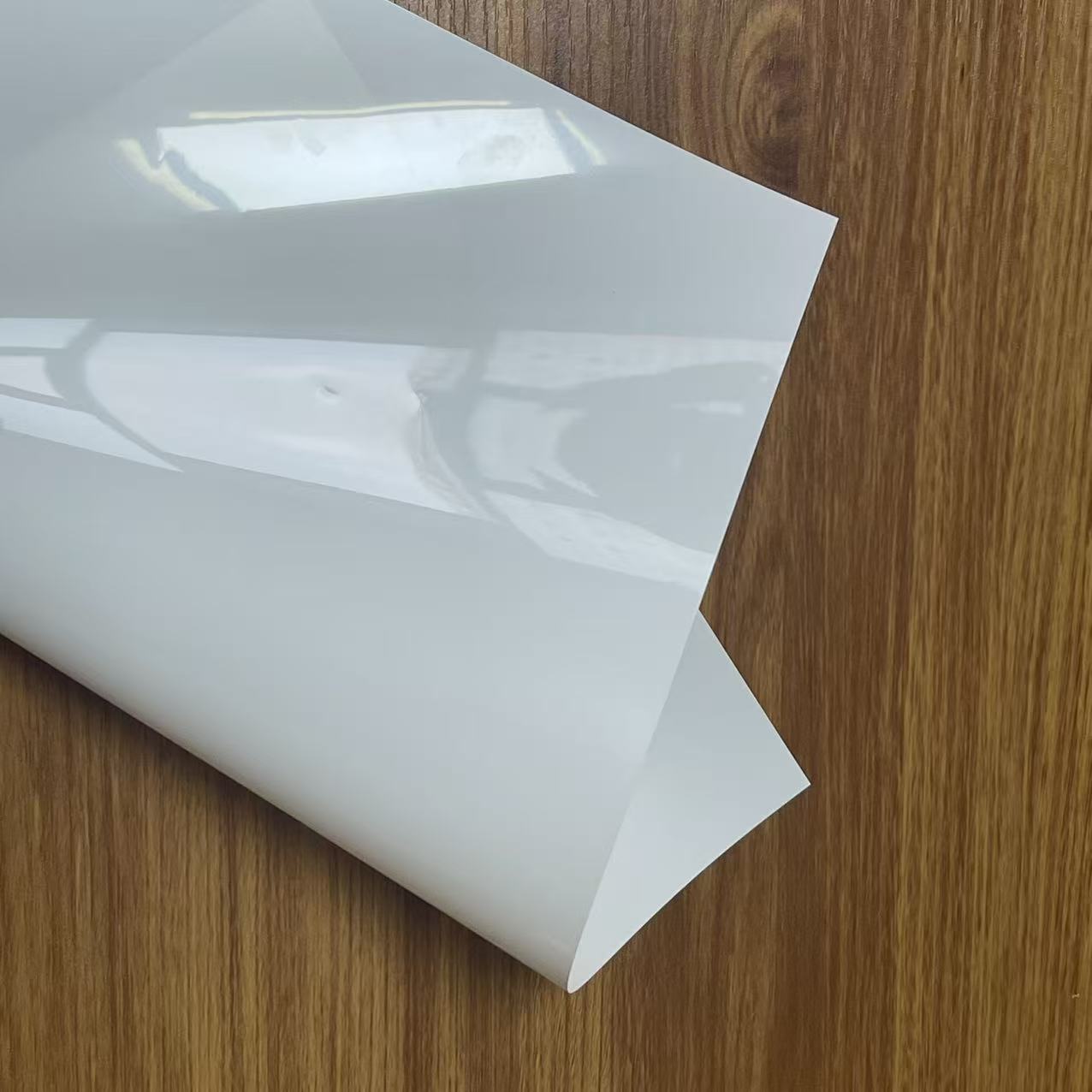
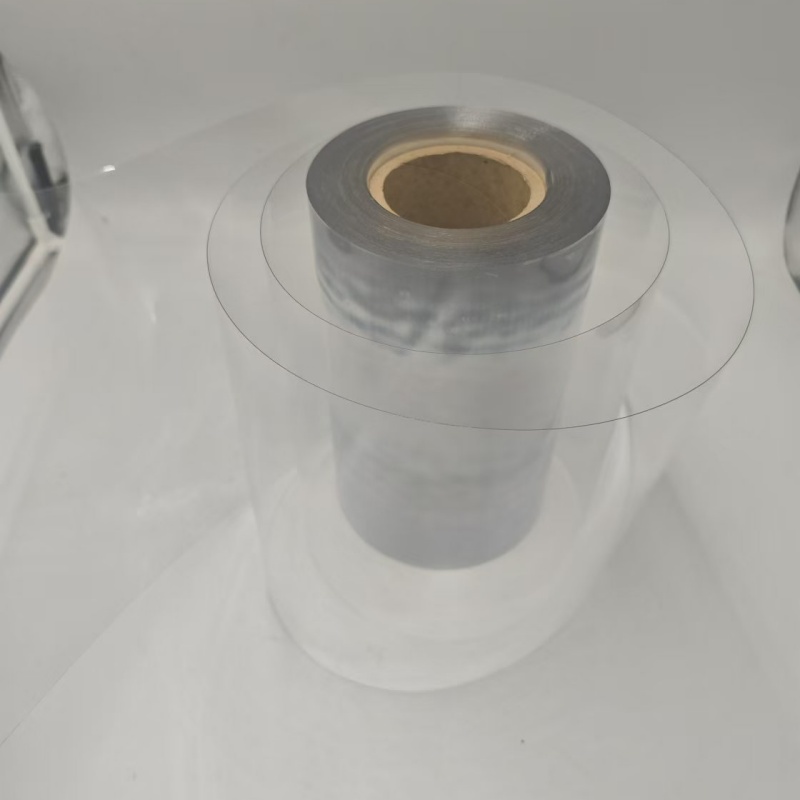
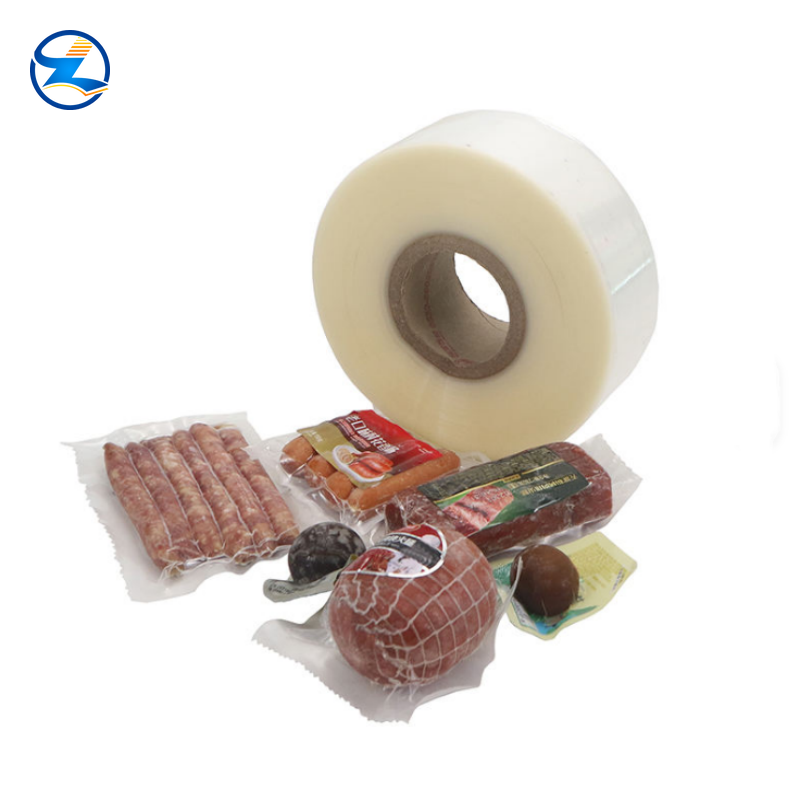
opaque white pp sheet roll for thermoforming
Thermoforming PP: The Ultimate Solution for Sustainable Packaging and High-Performance Applications
In the rapidly evolving landscape of global packaging and industrial manufacturing, the demand for materials that balance performance, sustainability, and cost-efficiency has never been higher. At the forefront of this innovation is Thermoforming PP, a versatile material that has redefined standards in product presentation and protection. This comprehensive guide explores the depths of thermoforming polypropylene, offering insights into its unique properties, applications, and why it stands as the preferred choice for discerning manufacturers worldwide.
Overview of Thermoforming Polypropylene Technology
Polypropylene, commonly referred to as PP, is a thermoplastic polymer produced from the monomer propylene. When processed specifically for thermoforming applications, it transforms into a material renowned for its exceptional clarity, toughness, and chemical resistance. Thermoforming PP film and sheet materials are designed to be heated until pliable and then shaped over molds using vacuum or pressure techniques. This process allows for the creation of complex geometries with minimal waste, making it an economically and environmentally sound choice for modern production lines. The white variant of thermoforming pp sheet offers an additional layer of versatility, providing a pristine canvas for branding while maintaining the structural integrity inherent to polypropylene.
The significance of thermoforming pp cannot be overstated in today’s market. Unlike other plastics such as PVC or PET, PP does not contain chlorine, which makes it safer to handle and dispose of. Furthermore, its recyclability aligns perfectly with the growing global mandate for sustainable practices. Manufacturers who choose thermoforming pp film are not just selecting a material; they are investing in a future-ready solution that meets stringent regulatory requirements across Europe, North America, and Asia-Pacific regions.
Key Characteristics and Technical Advantages
Understanding the core attributes of thermoforming polypropylene is essential for leveraging its full potential. The material exhibits a high melting point compared to many other thermoplastics, allowing it to withstand hot-fill processes without deforming. This thermal stability is crucial for food packaging applications where contents must remain safe during pasteurization or sterilization. Additionally, the low density of PP contributes to lightweight end-products, reducing shipping costs and carbon footprints associated with logistics.
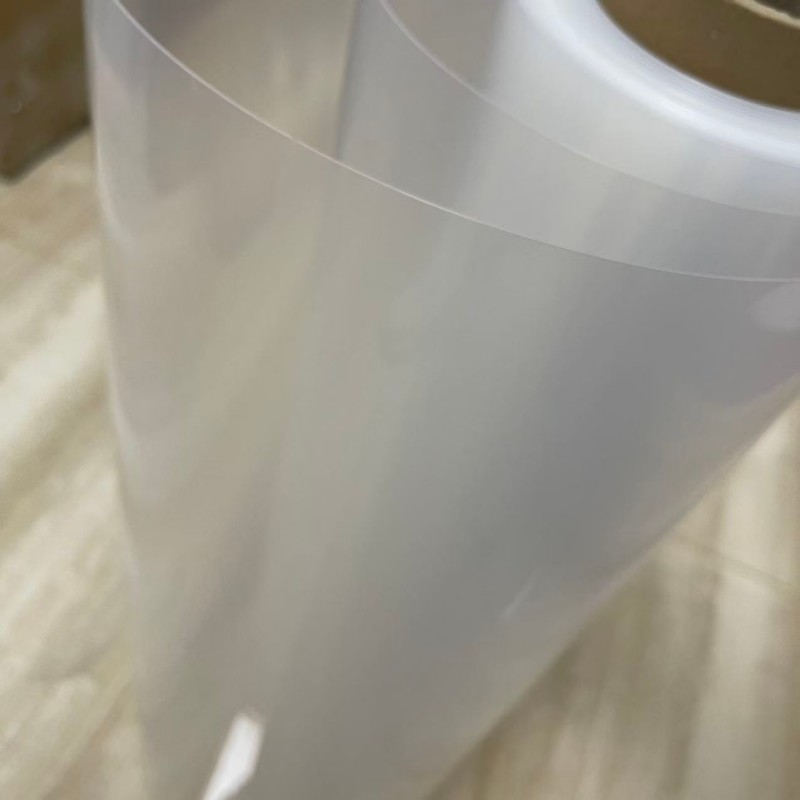
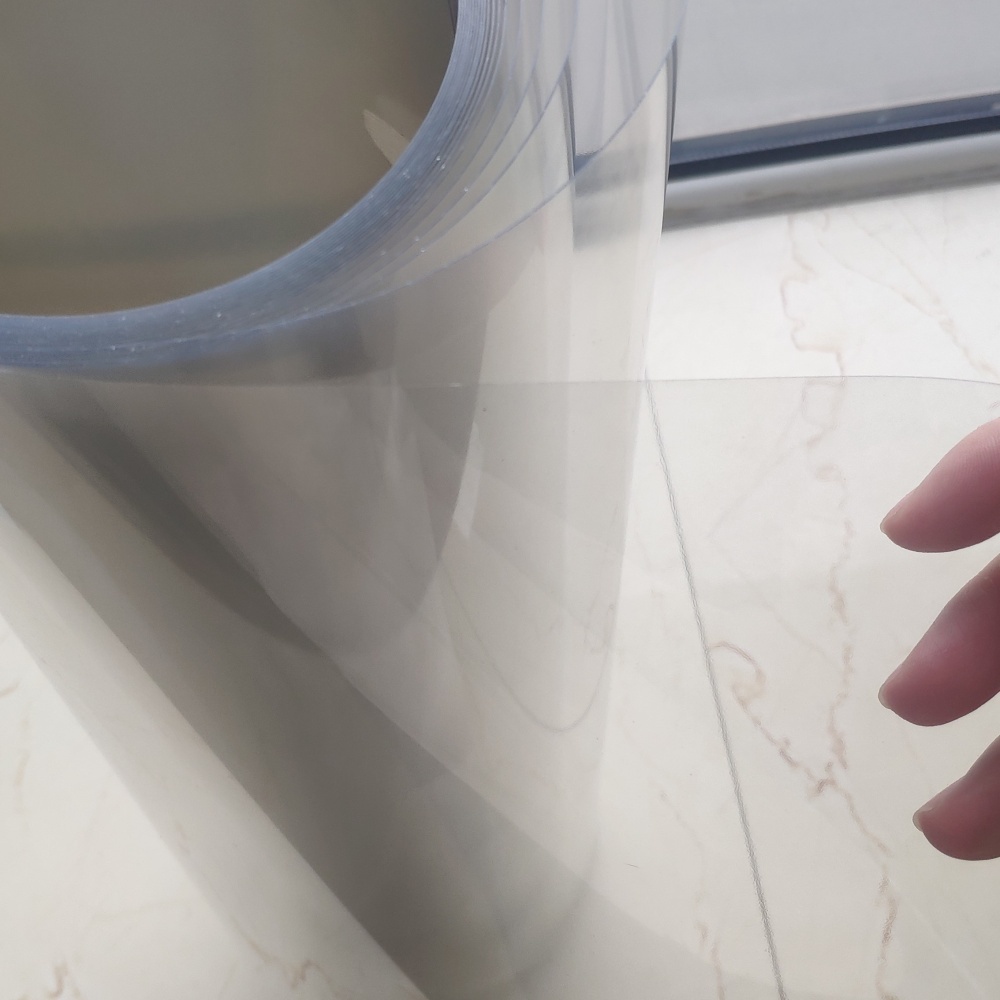
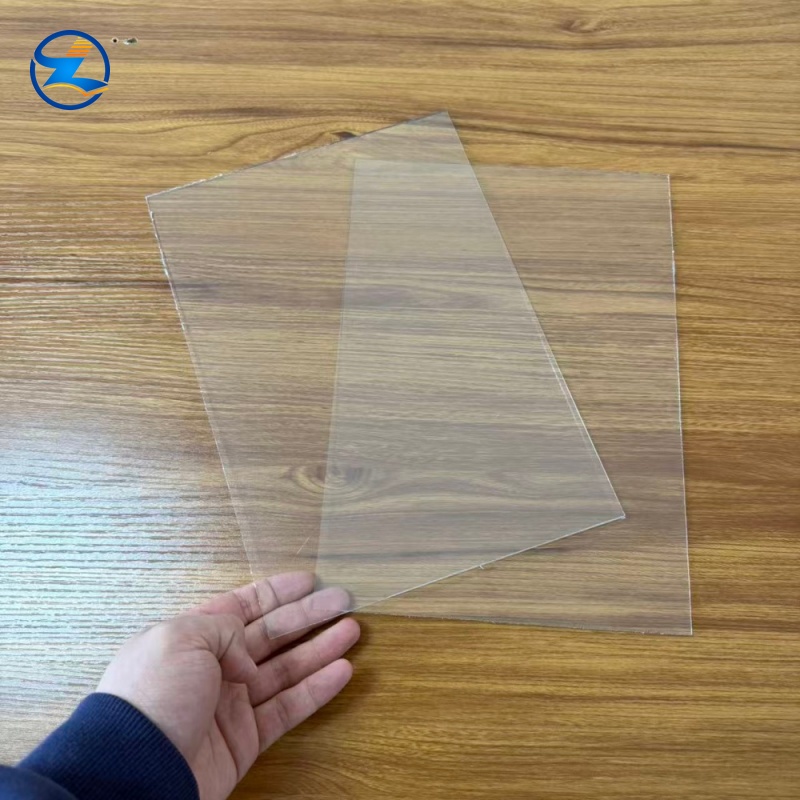
Clarity is another standout feature of transparent thermoforming pp sheets. These sheets offer glass-like transparency, enabling consumers to view the product inside clearly, which enhances shelf appeal and drives sales. For those requiring opacity, the thermoforming pp sheet white option provides excellent coverage and printability. The smooth surface of white PP sheets ensures that inks adhere uniformly, resulting in vibrant, high-resolution graphics that capture consumer attention. Moreover, the material possesses good moisture resistance, protecting sensitive contents from humidity-related degradation.
Chemical resistance is yet another critical characteristic. Thermoforming PP demonstrates strong immunity to acids, bases, and organic solvents, making it suitable for packaging personal care products, pharmaceuticals, and household chemicals. This durability ensures that the packaging maintains its integrity throughout the supply chain, preventing leaks and contamination. The combination of these properties positions thermoforming pp as a superior alternative to traditional materials like polystyrene or acrylic.
Detailed Product Specifications and Material Science
Delving deeper into the science behind thermoforming pp reveals a sophisticated molecular structure that contributes to its performance. Polypropylene is a semi-crystalline polymer, meaning its molecular chains are arranged in an orderly fashion. This crystallinity provides stiffness and heat resistance, while the amorphous regions offer flexibility and impact strength. In the context of thermoforming pp film, the orientation of these molecules during extrusion plays a vital role in determining the final mechanical properties. Biaxially oriented polypropylene (BOPP) variants, often used in flexible packaging, exhibit enhanced tensile strength and barrier properties.
For rigid applications, solid thermoforming pp sheets are available in various thicknesses, ranging from thin gauges suitable for blister packs to thicker sections used in automotive components or medical device housings. The white coloration in thermoforming pp sheet white is achieved through the addition of titanium dioxide or other whitening agents during the compounding stage. These additives do not compromise the material’s recyclability or safety profile. Ins
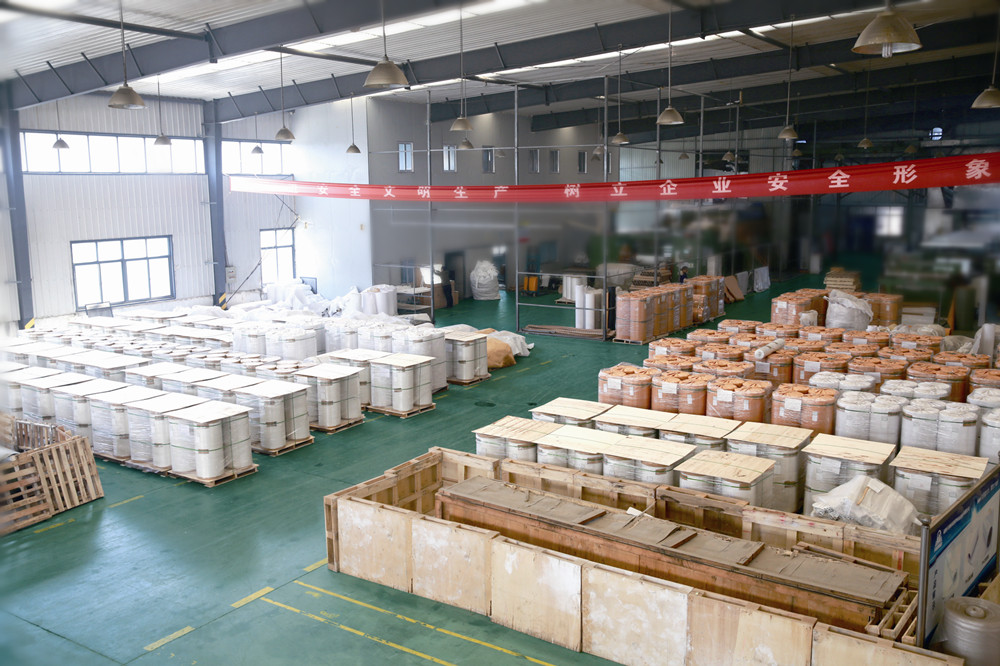
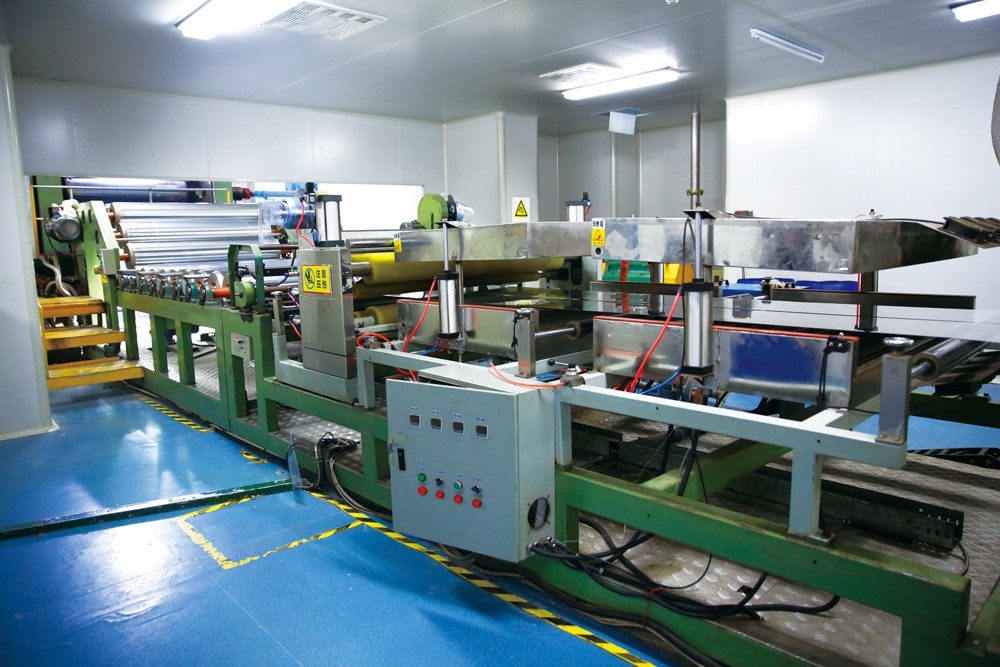
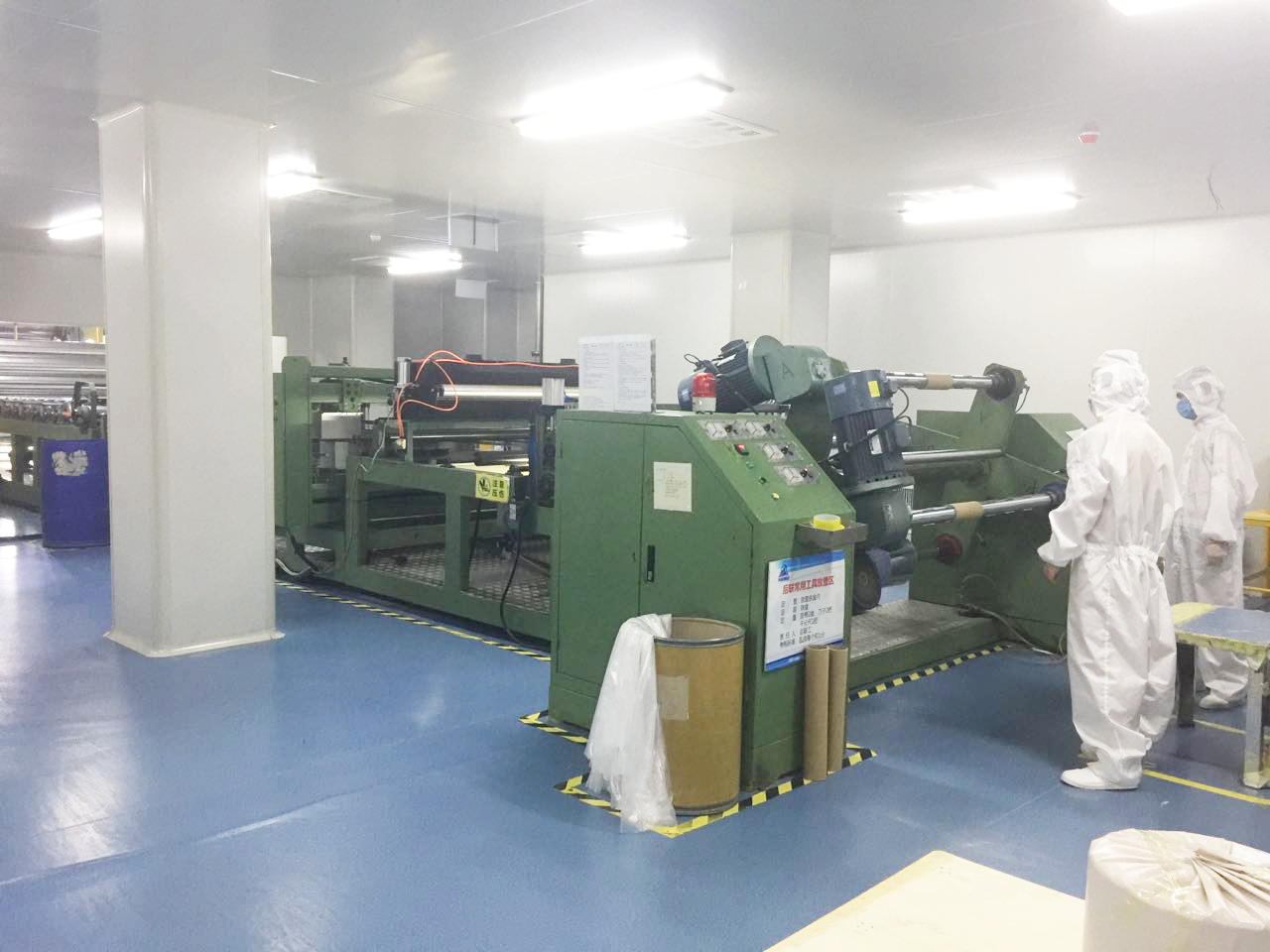
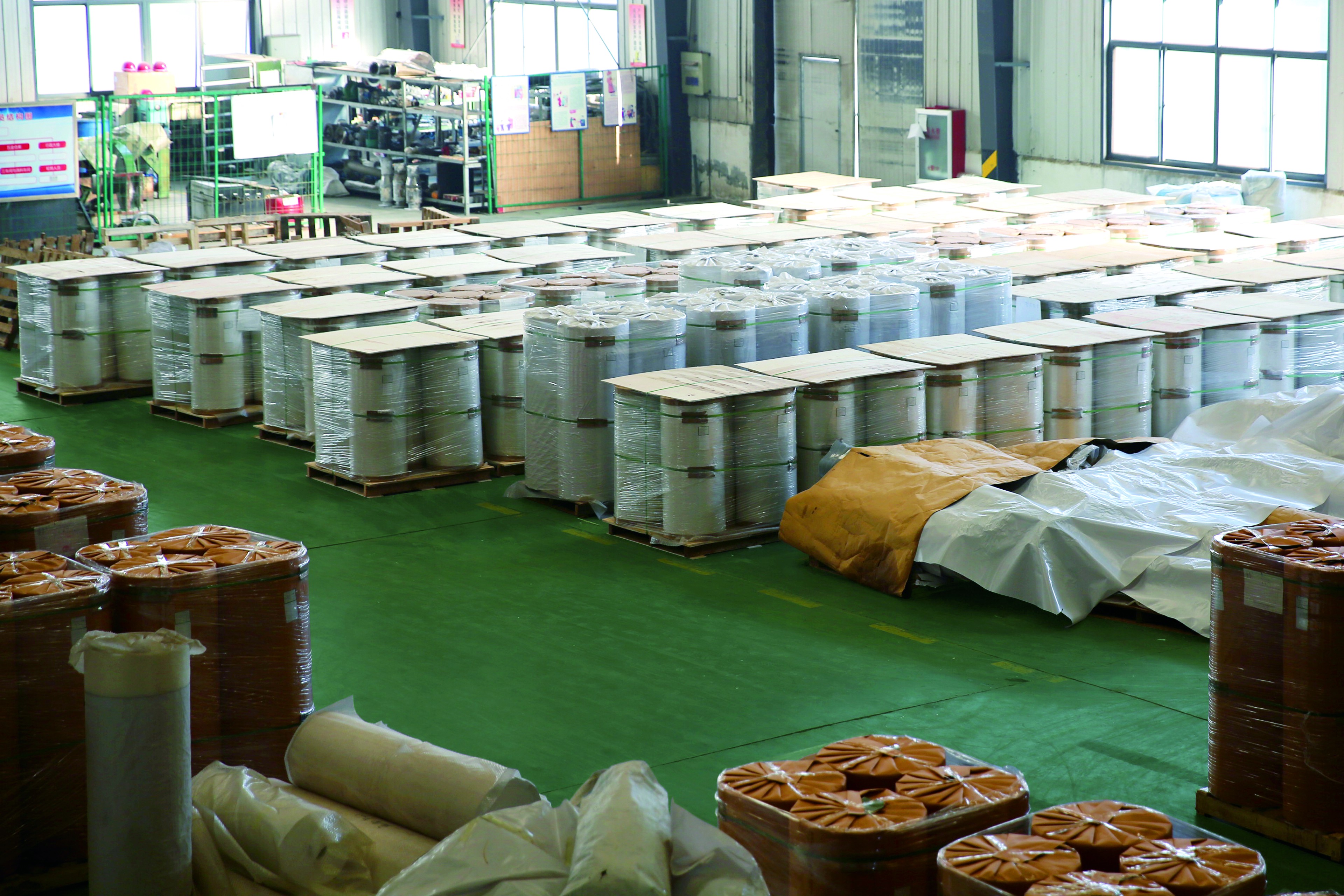
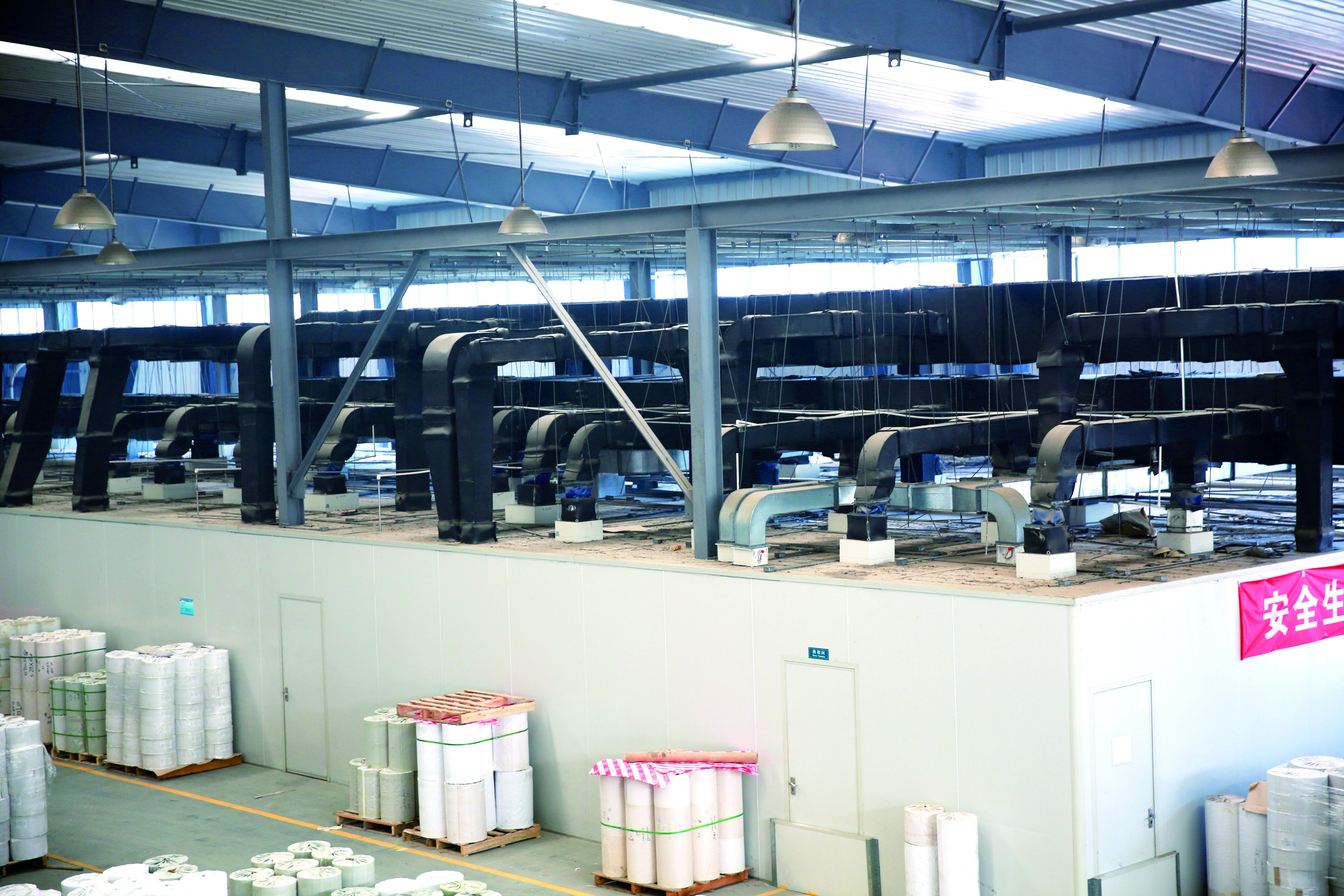
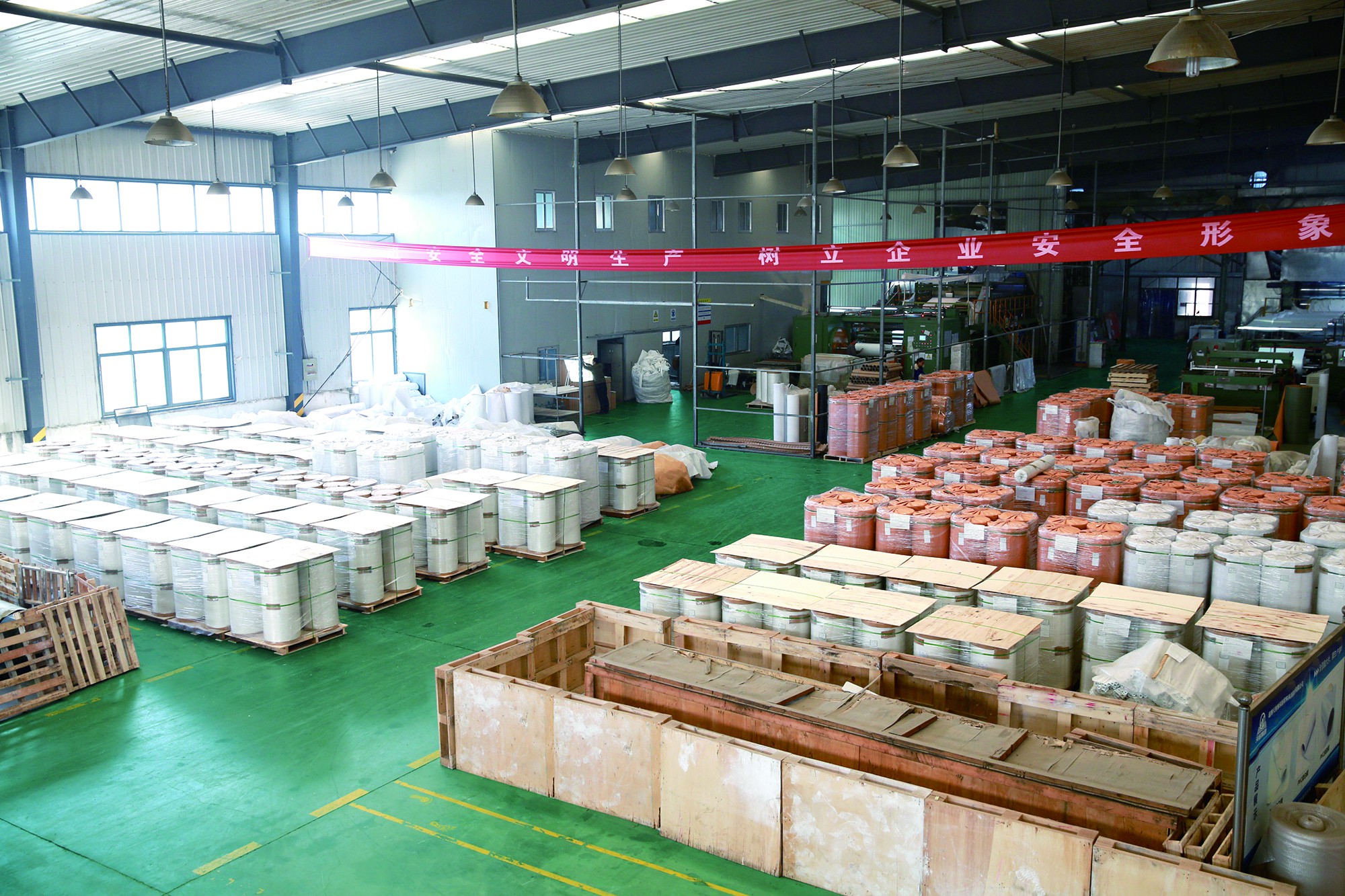
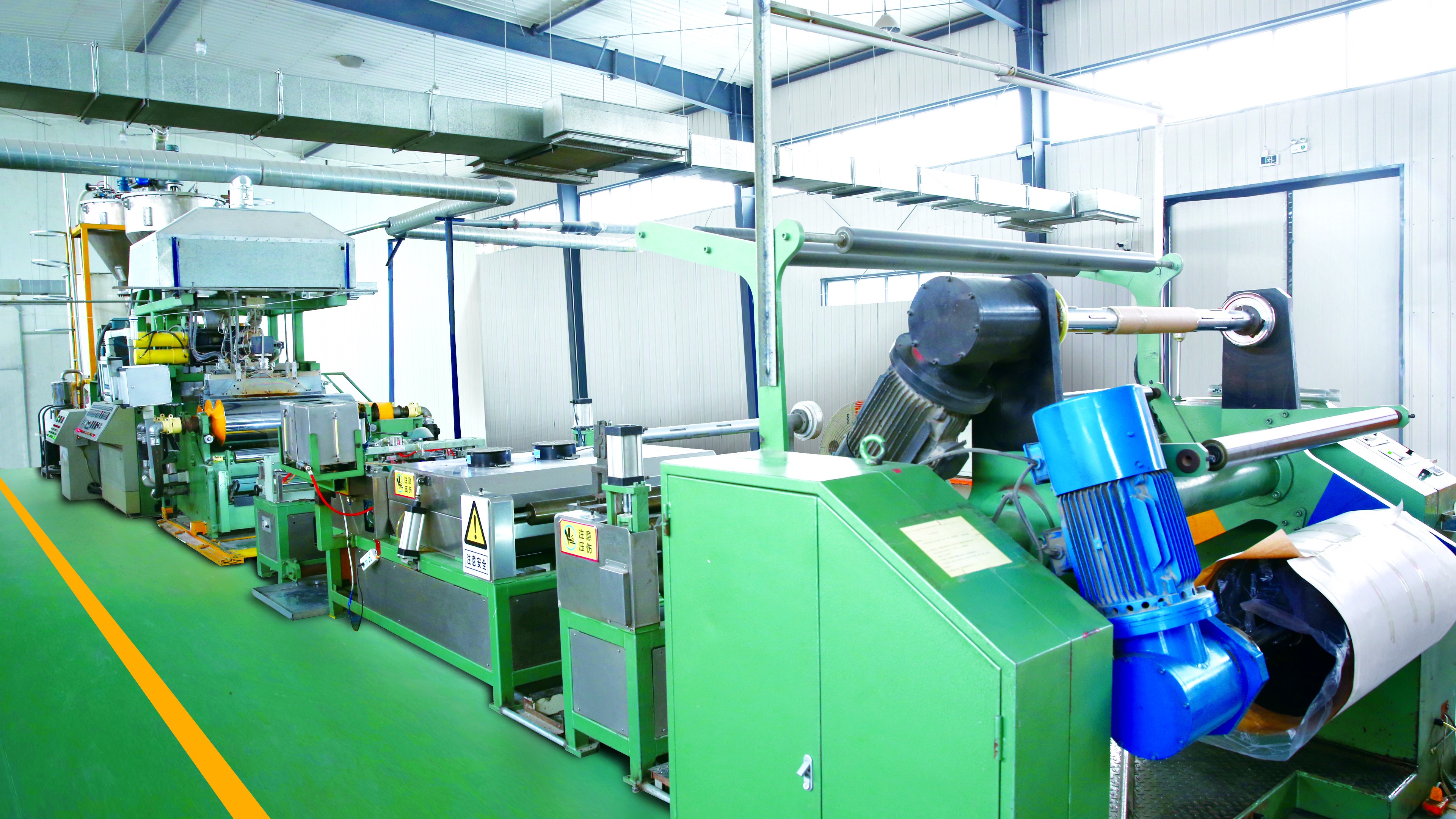
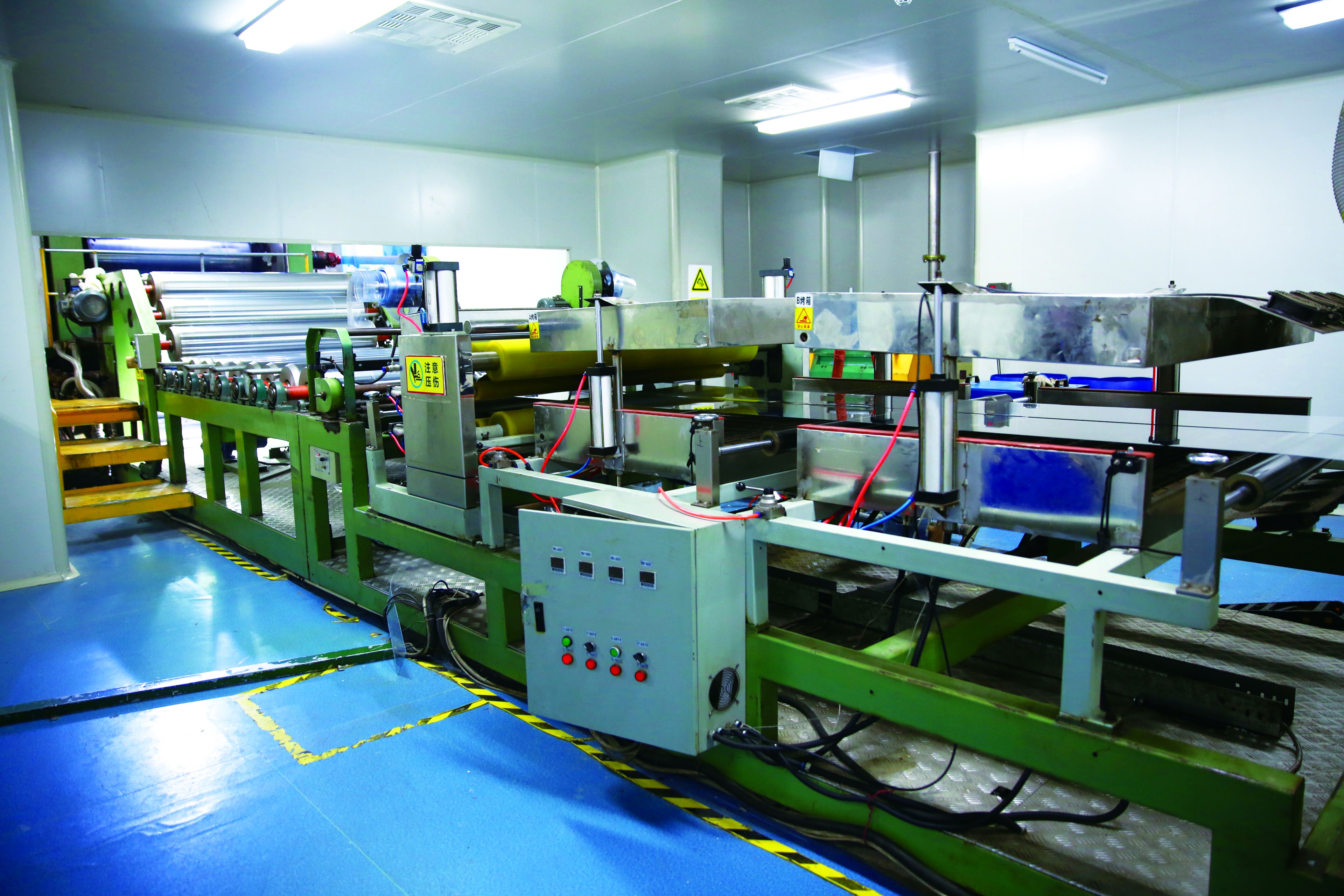
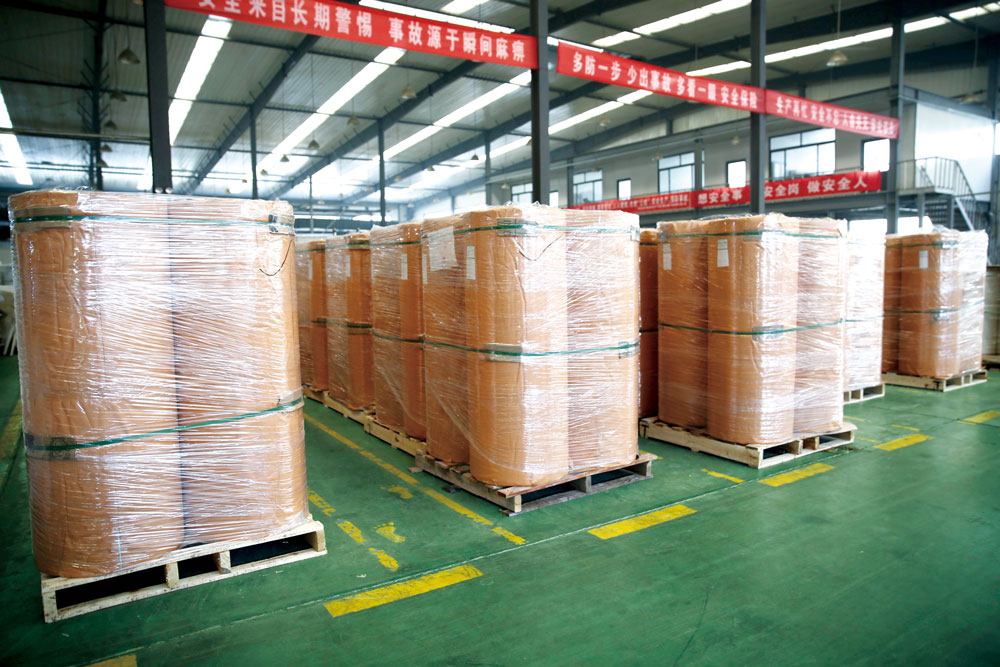
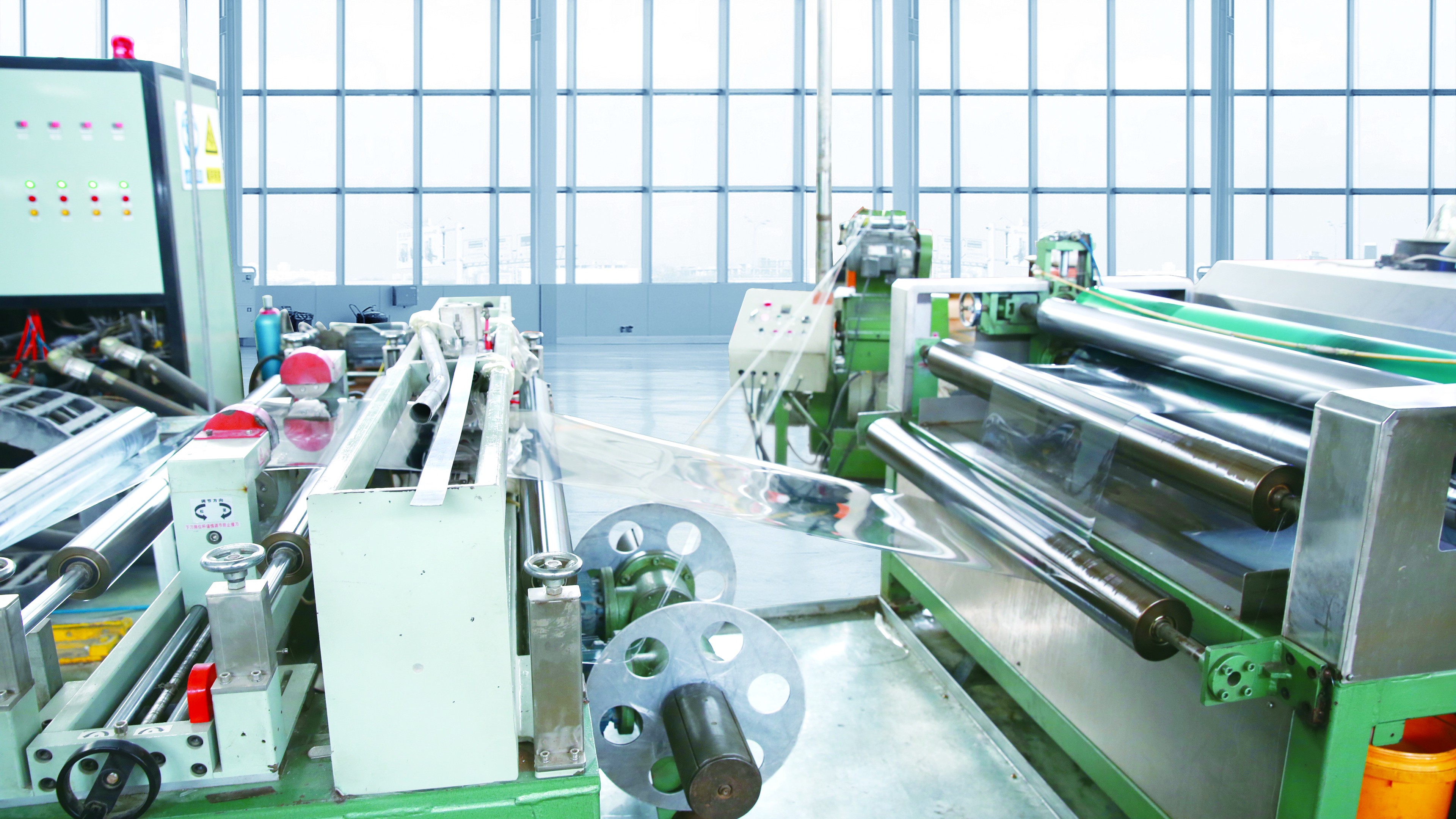
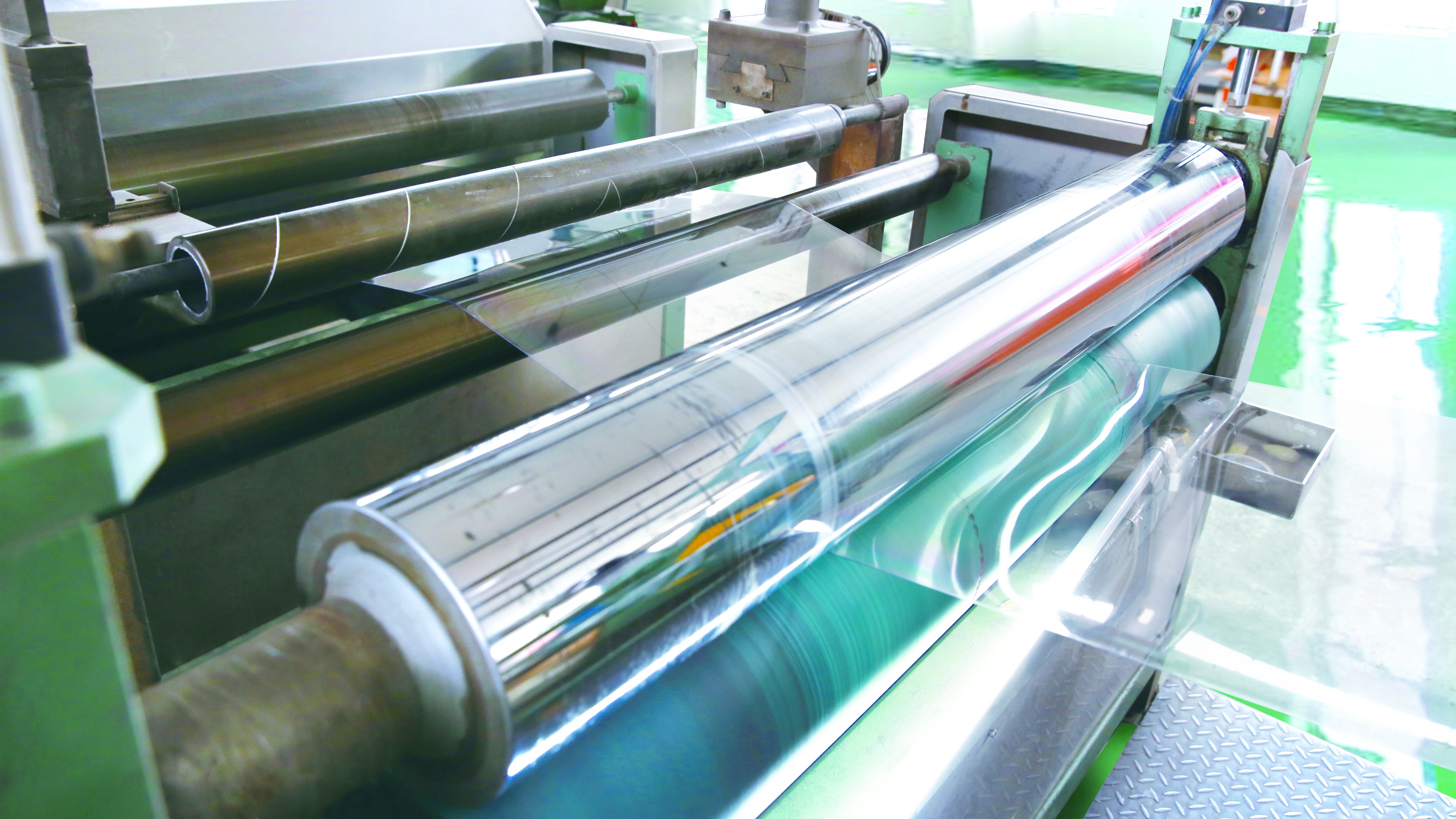
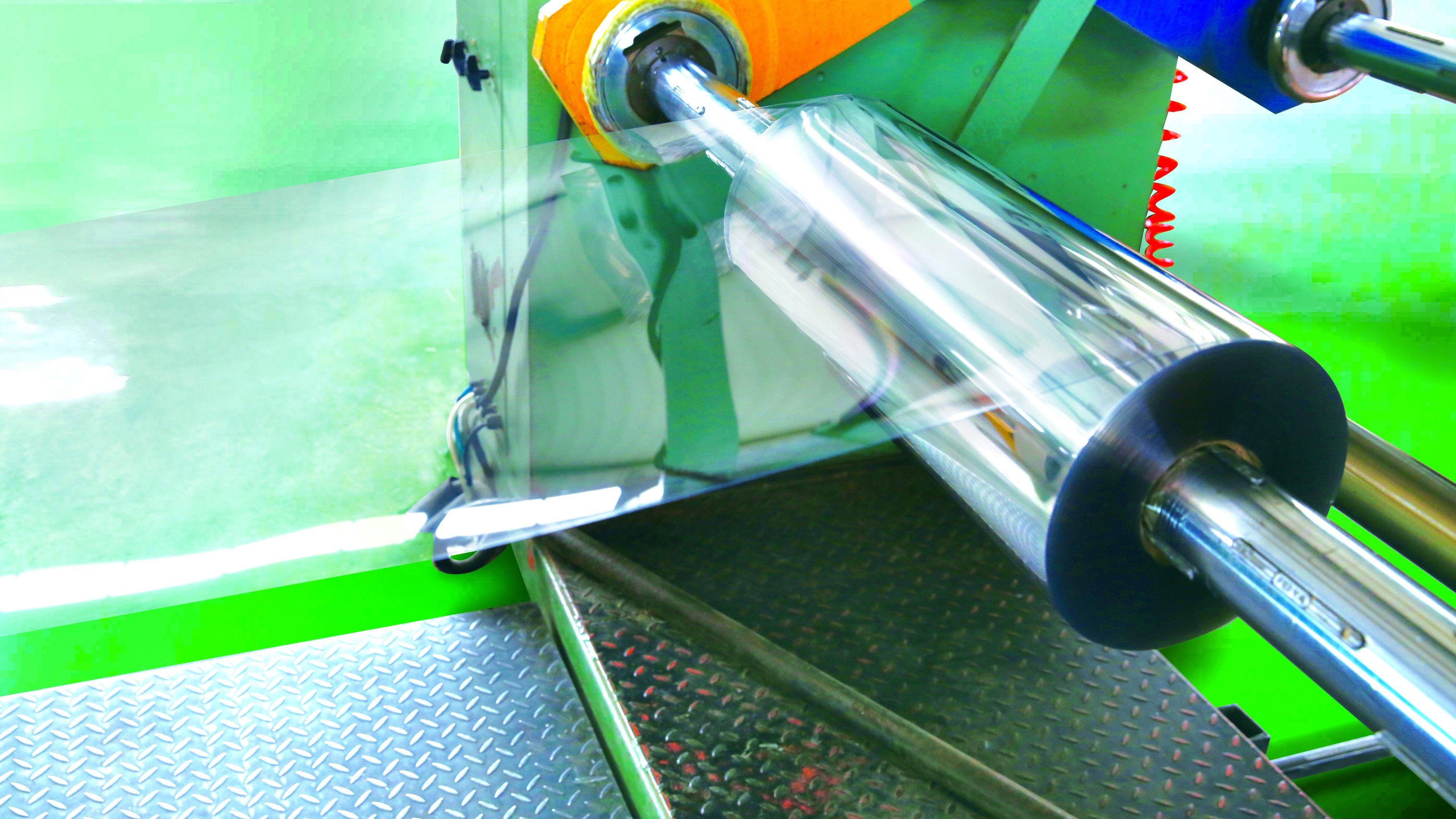
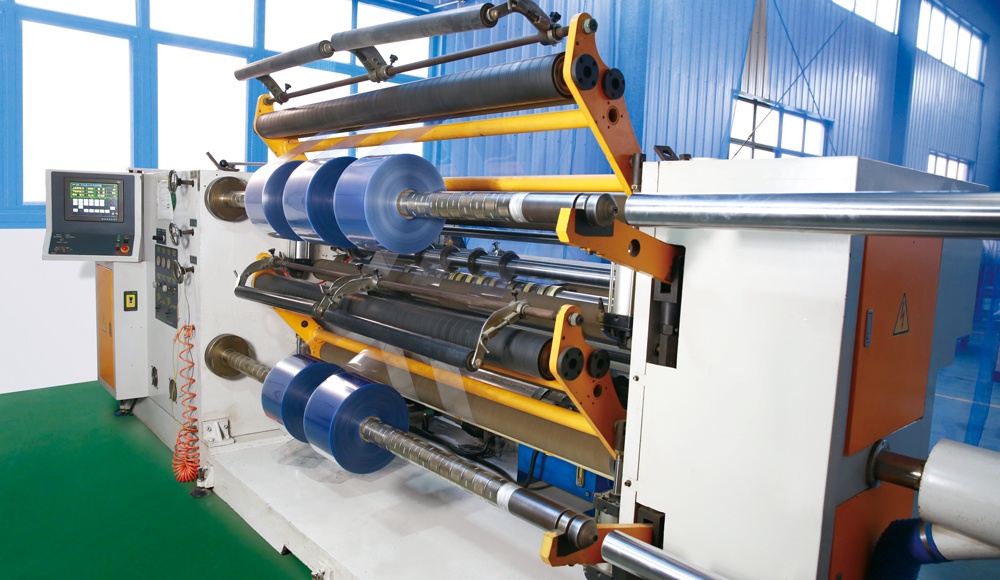
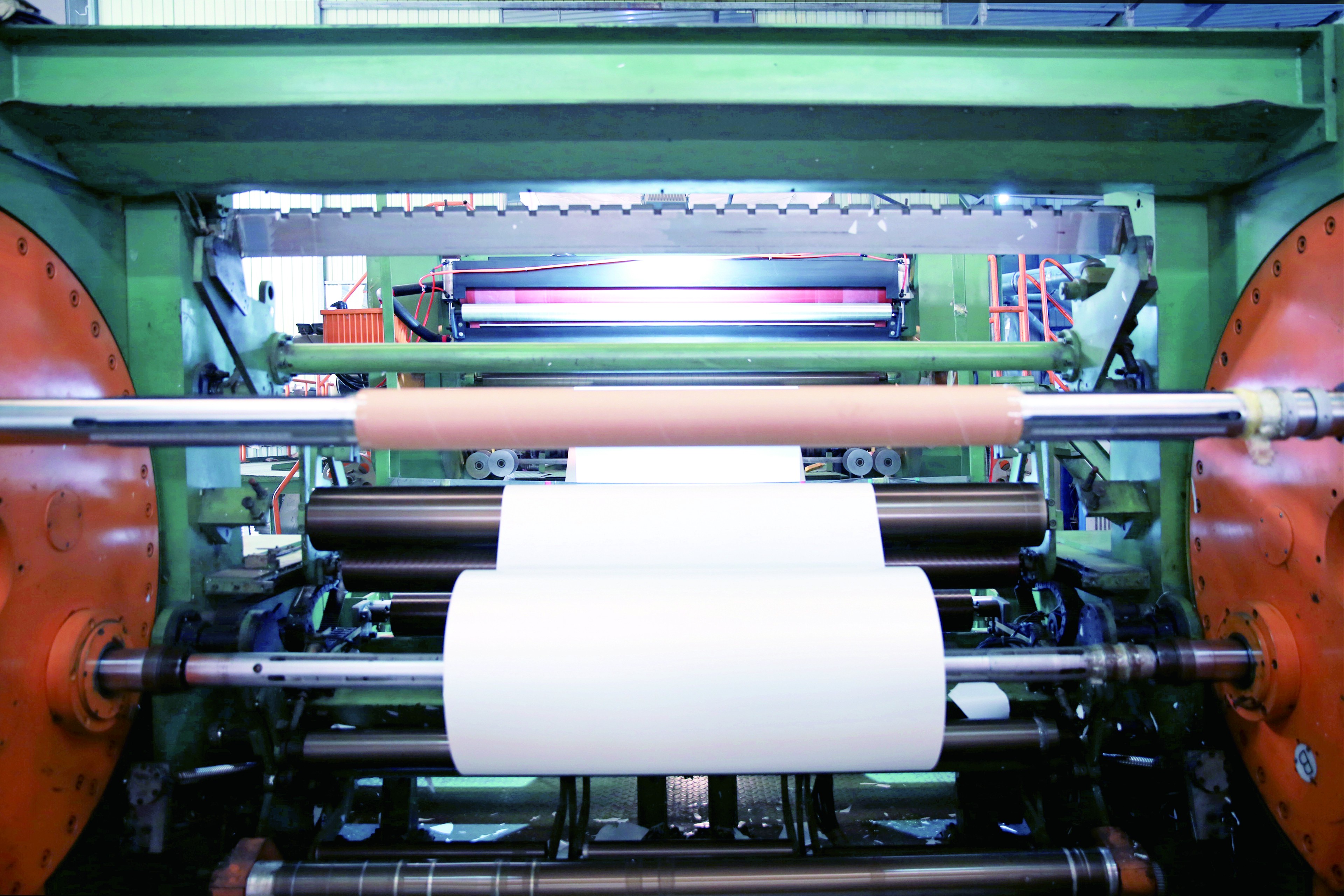
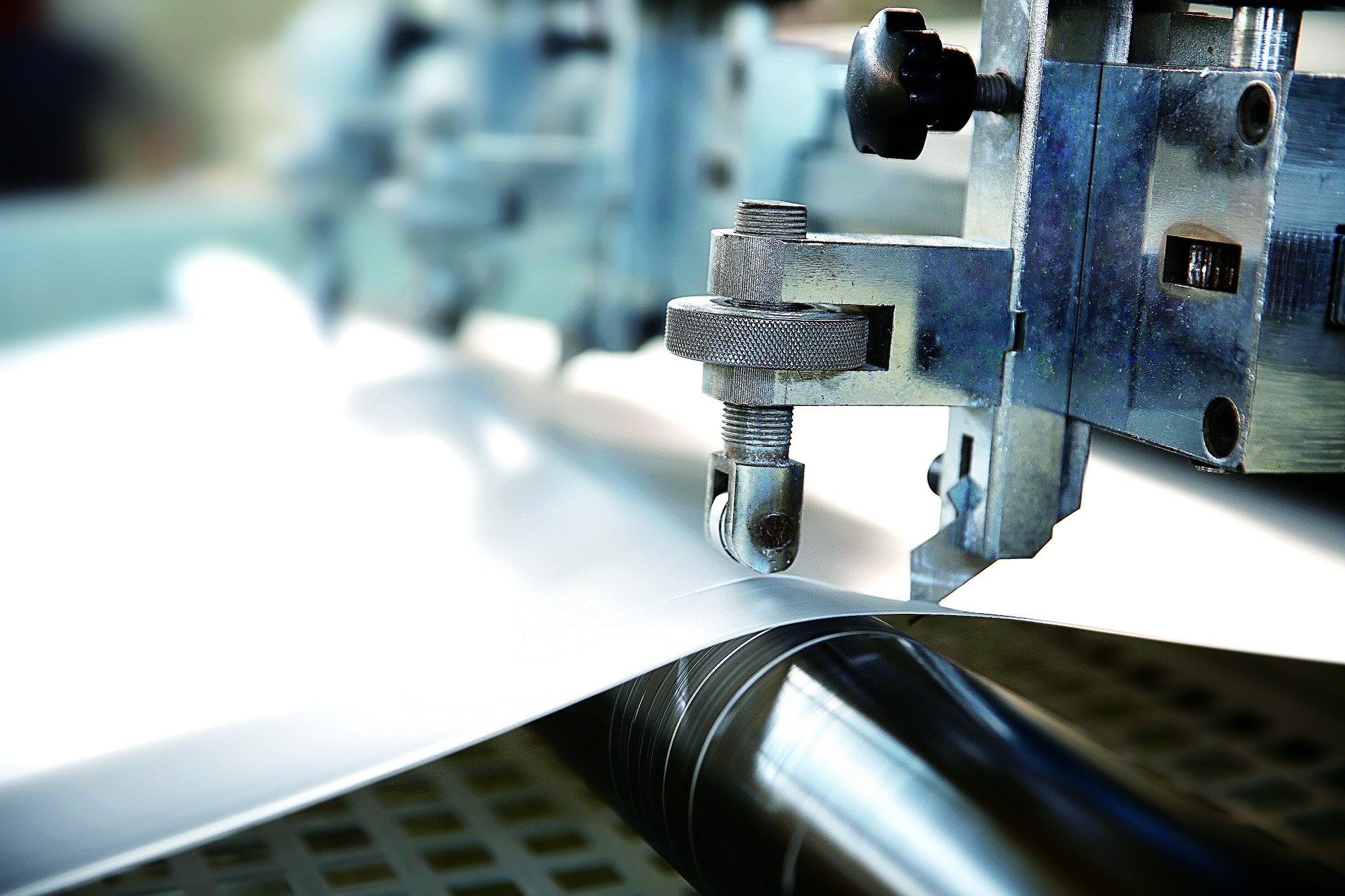
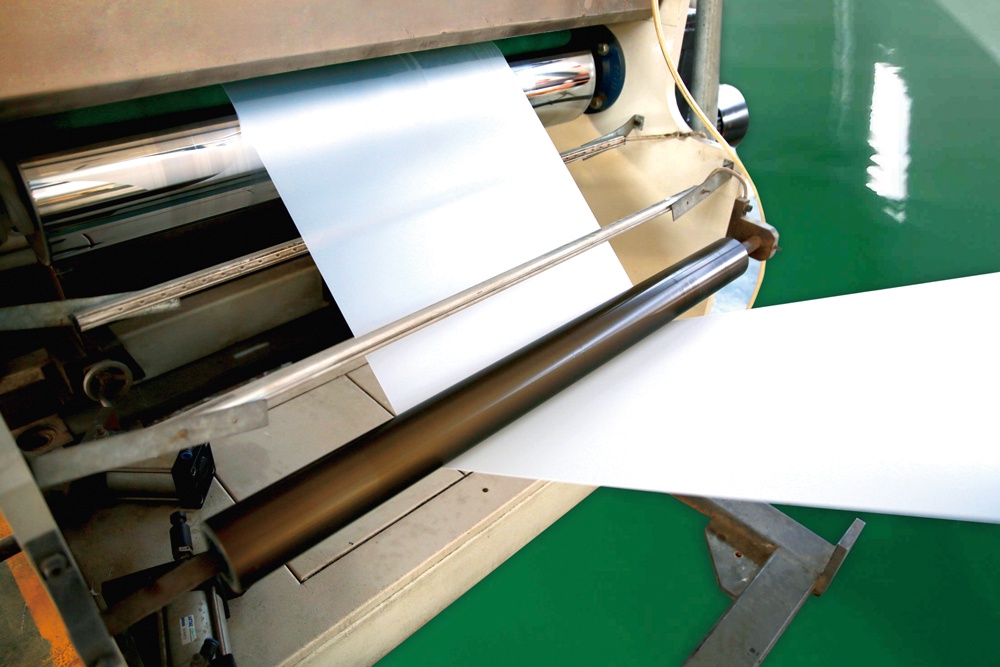
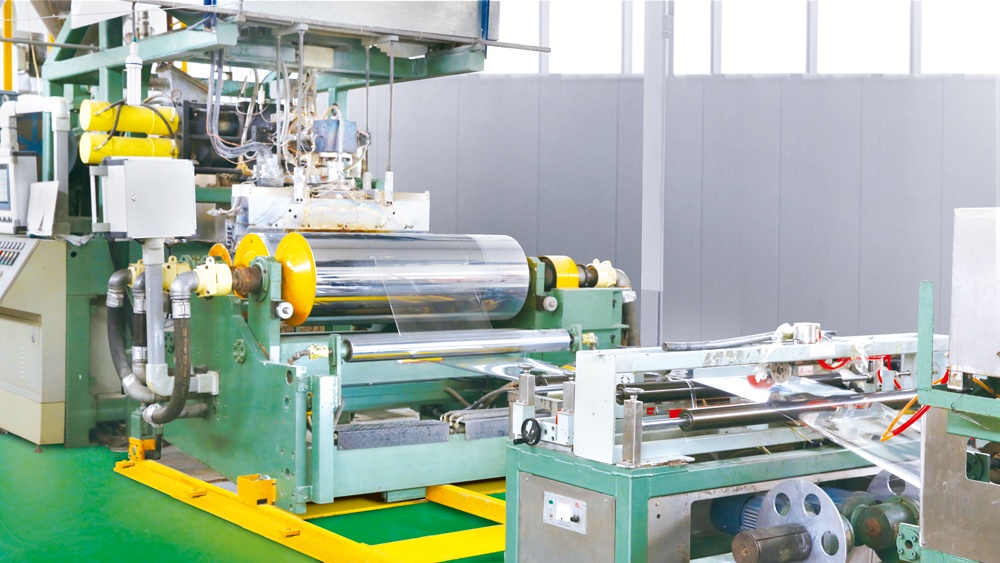
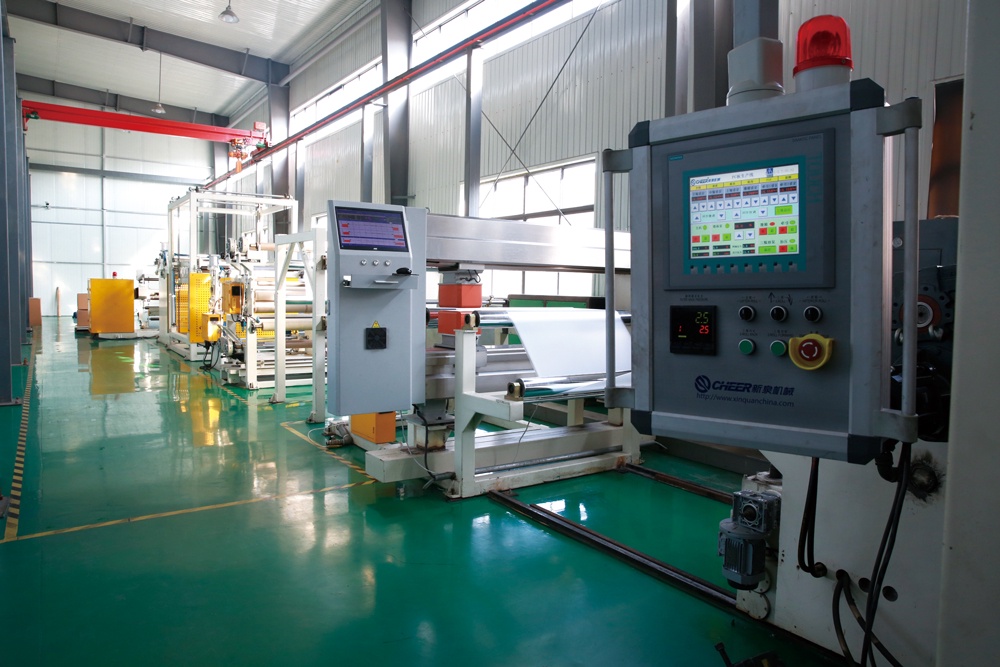
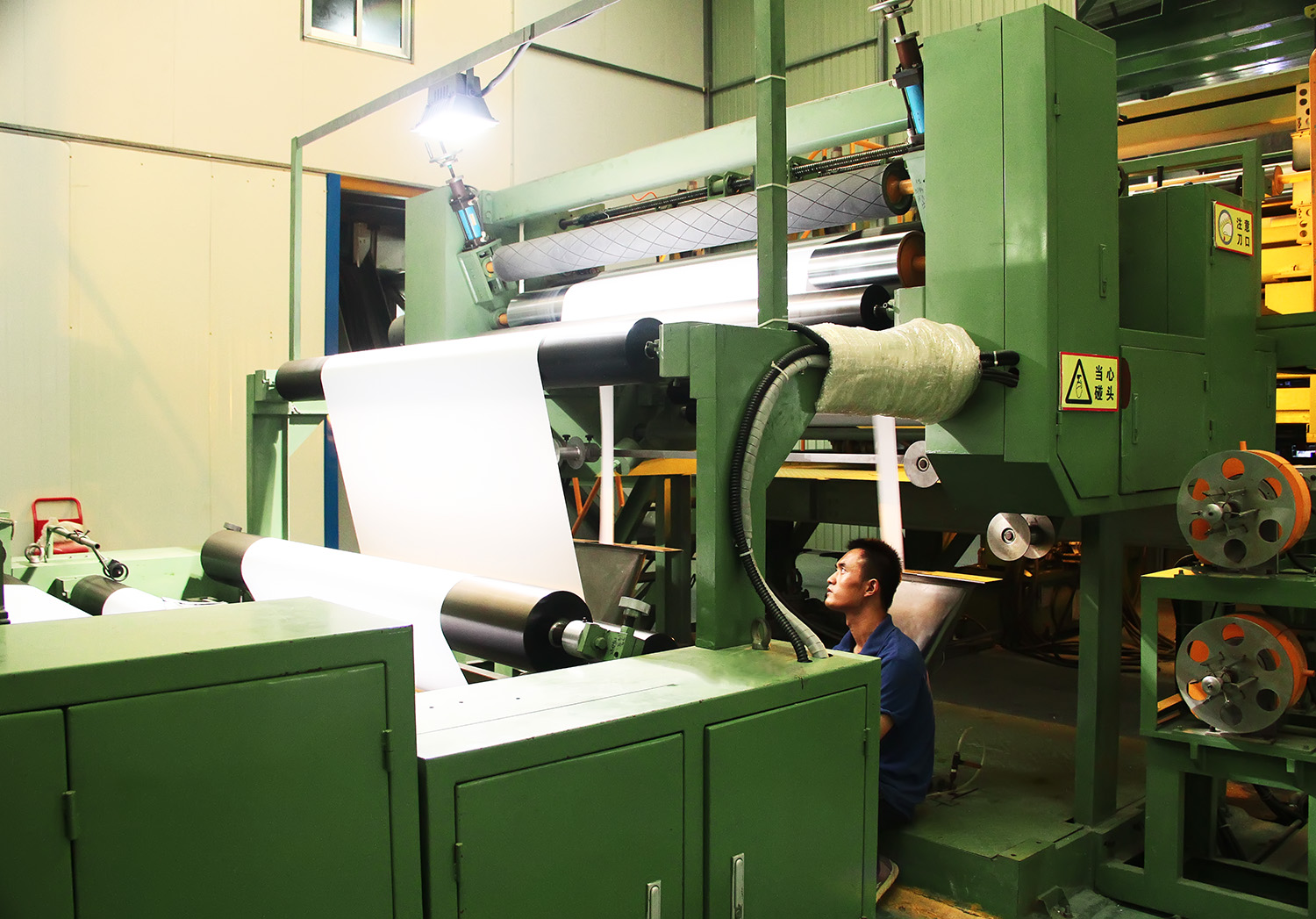
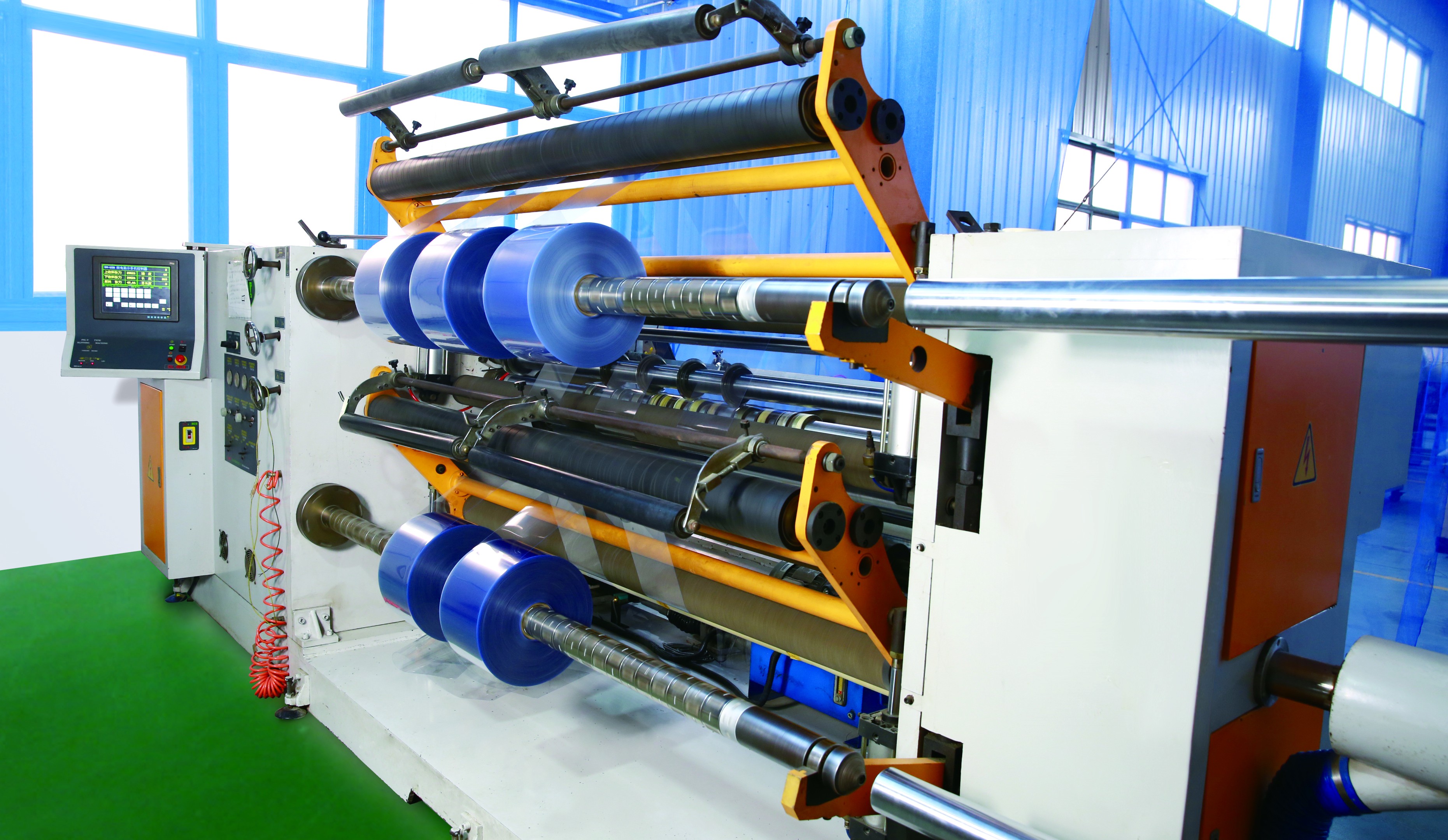
factory workshop
Application Scenarios
Food packaging
Food packaging
Pharmaceutical packaging
Pharmaceutical packaging
electronic tray
electronic tray
Metal packaging
Metal packaging
Handicraft packaging
Handicraft packaging
Stationery Packing
Stationery Packing
New energy battery component packaging
New energy battery component packaging
Fresh food cold chain packaging
Fresh food cold chain packaging
Related Products
 opaque Polystyrene film white ps sheet for thermoforming
 Flexible PVC Film Roll, Calendered Plastic Film
 Custom Color Brown PVC Flexible Film
 High Barrier PE EVOH PE Film for Food
 PE/PA/EVOH Thermo Shrinkable Wrap Film
 Thermally form PP Sheet roll for Tray
 EXtrusion forming PET plastic Roll
 Matte/ Glossy BOPP film roll
 0.4mm Clear PET Sheet Roll
 High clarity good stiffness PVC Sheet Roll
 PVC Flocked Sheet for Packaging
 High-transparency PET clear Sheet
 Colored High Tensile Strength HIPS Rigid Film
 PVC rigid sheet for pharmaceutical blister packing
 Biodegradable Colored HIPS Rigid Film for Seeding Tray
 Uniform PS Film Roll, heat-tunable film
 Firm PS Film Roll, oil-resistant film
 0.3mm opaque white pp sheet roll for thermoforming
 PP rigid sheet roll for tray
 Thermoformed APET food container
 Light weight PP Fim Roll
 PVC PVDC Rigid Film for Pharmaceutical Blister Packaging
 Medical Grade Rigid Transparent PVC PVDC PE Film
 Sustainable Clarity: Premium 0.39mm Recyclable plastic
 Opaque White PVC Film Roll, matte vinyl film
 High-bright PET Reflective Film Roll, polyester reflective sheet
") PET Rigid Sheet (0.8mm / 1.0mm)
 Opaque Rigid Thermoplastic Polypropylene Film for Food Tray
 Colored PP Plastic Sheet Roll for Food Packaging
 Colored PP film for printing
 Glossy PET Film Roll, vapor barrier film
 Cold resistant APET sheet for packing
 Level PET Film Roll, low thermal-shrink film
 PVC super clear soft film
 PVC wrapping film for room temperature use, with high tensile strength
 High clearity PET thermoforming Sheet
") PP sheet (Polypropylene sheet)
 White PC A4 size Rigid Film
 Good toughness PET Sheet
 Thermoforming Co- Extrusion Cast Pa Evoh Pe Film
Get A Free Quote

If you are interested in our products and want to know more details,please leave a message here,we will reply you as soon as we can.