FAQ
Don’t Find Your
Answer?
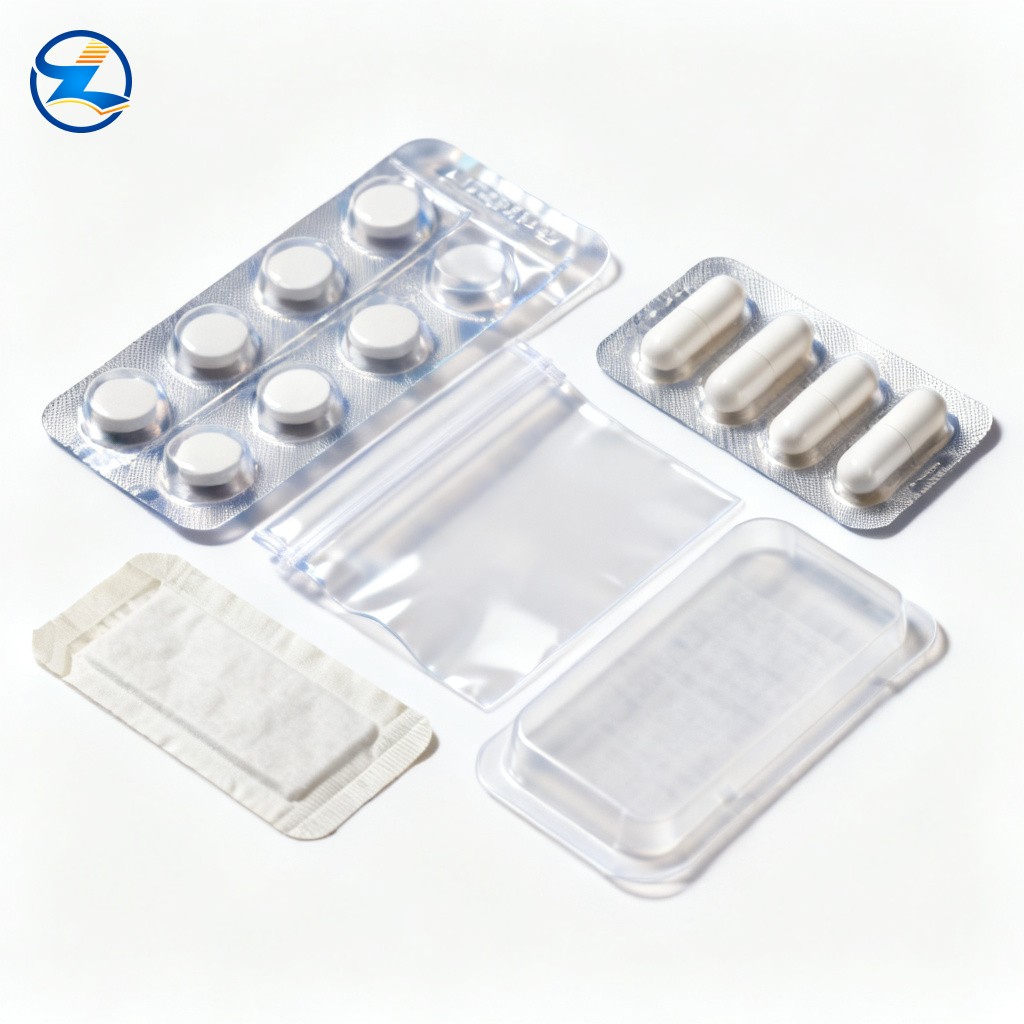
While many brand owners shift toward PET and PP packaging materials, rigid PVC sheet still holds an irreplaceable position for pharmaceutical blister packaging globally. Its excellent moisture barrier, good thermoforming property and low processing cost make it the preferred substrate for tablets, capsules and medical device blister packs.
Modern PVC blister grades adopt calcium-zinc stabilizer systems, fully free of heavy metals, complying with USP, REACH and local pharmaceutical packaging regulations. Compared with alternative films, PVC can form sharp, consistent cavities on high-speed thermoforming lines, lowering scrap rates for mass drug packaging production.
Market insiders note steady purchasing demand from pharmaceutical manufacturers in the Middle East, Southeast Asia and Latin America. These markets prioritize stable supply and cost control alongside regulatory compliance. Many converters keep PVC as their core blister material while adding PCR PET options for eco-focused SKUs.
Industry participants also continue to advance dedicated PVC recycling streams for pharmaceutical blister waste. Separated PVC scrap from drug packs can be re-extruded into new sheets for non-food applications, easing pressure on plastic waste management. Analysts expect PVC blister sheet to remain a mainstream packaging choice for generic drug products over the next five years.
PVC is a plasticizer free, calendared rigid film. It is available in a wide range of colors and thickness.
PVC offers a potent chemical resistance and optimized protection.
It works best on standard blister packing machines.
Leave A Reply

If you are interested in our products and want to know more details,please leave a message here,we will reply you as soon as we can.