FAQ
Don’t Find Your
Answer?
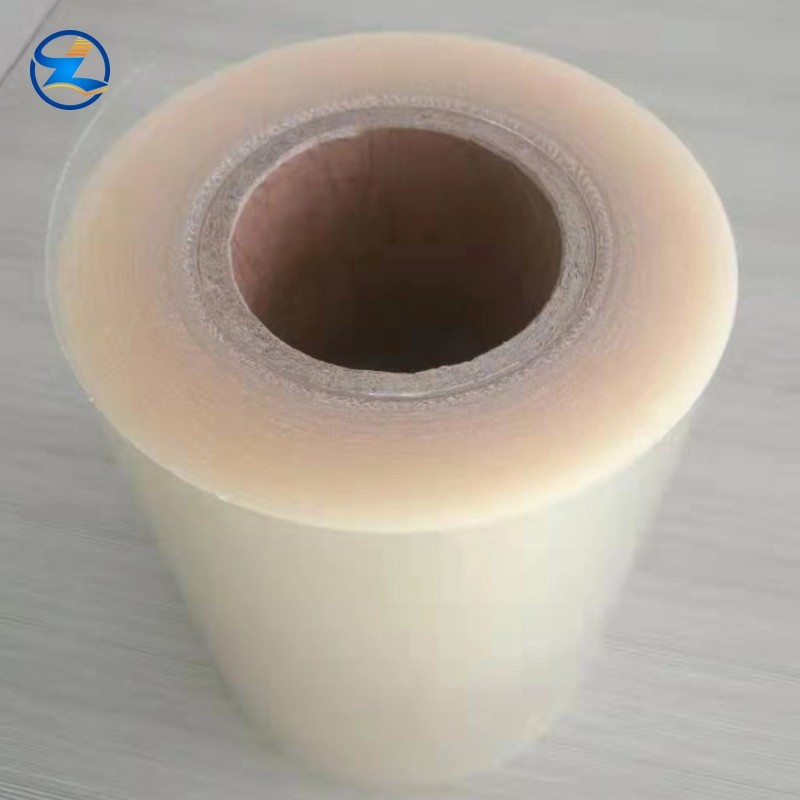
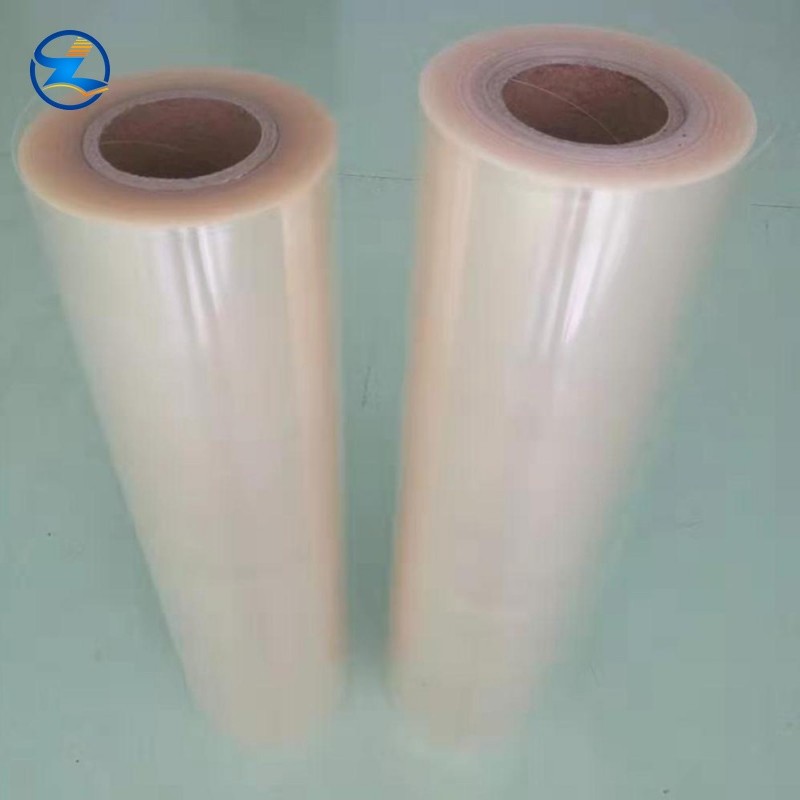
Polylactic Acid (PLA), made from renewable plant‑based feedstocks such as corn starch and sugarcane, stands out as one of the most promising eco‑friendly biopolymers in the global packaging industry.
Compared with traditional fossil‑fuel‑derived plastics, PLA delivers a much lower carbon footprint by absorbing carbon dioxide during plant growth, effectively cutting greenhouse‑gas emissions throughout its lifecycle. Under industrial composting conditions, PLA can fully biodegrade without leaving persistent microplastic residues, easing pressure on waste disposal and soil pollution.
In addition to biodegradability, PLA supports mechanical and chemical recycling. Recycled PLA materials can be re‑processed into films and packaging products, helping companies build circular supply chains and meet international environmental regulations for single‑use plastics.
Widely used in food packaging, disposable films and agricultural applications, PLA is gaining growing global adoption as brands prioritize low‑carbon and sustainable material solutions. Industry analysts expect steady market expansion for PLA bioplastics in the coming years, as more manufacturers shift away from conventional petroleum‑based plastics.
Leave A Reply

If you are interested in our products and want to know more details,please leave a message here,we will reply you as soon as we can.